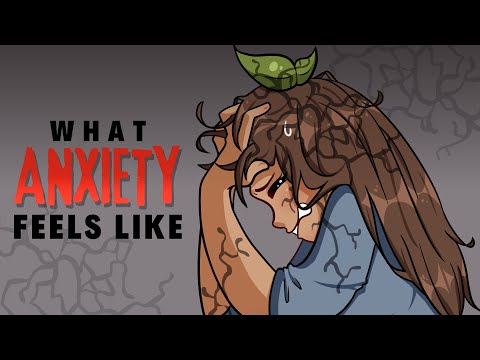
Anxiety is one of those sneaky feelings, isn’t it? It can creep in when you least expect it. One minute you’re chilling, and the next, your heart’s racing like you just ran a marathon.
You know what I mean? It’s like your brain hits the panic button for no apparent reason. And it’s not just about feeling nervous before a big presentation or something. For some folks, anxiety becomes this constant shadow.
Ever had that feeling of dread sitting heavy in your gut while trying to enjoy a night out with friends? Yeah, that’s anxiety messing with your good time.
So let’s chat about anxiety disorders and how they really affect us—because understanding this stuff can make a world of difference. Buckle up; it’s gonna be an interesting ride!
Exploring 11 Types of Anxiety Disorders: A Comprehensive Guide
Anxiety can feel like this nagging shadow, lurking in the background, waiting to pounce. It’s super common, but it can manifest in different ways. There are actually 11 types of anxiety disorders, each with its own quirks and challenges. Let’s break them down a bit:
1. Generalized Anxiety Disorder (GAD)
This one’s all about chronic worry. You might find yourself stressing about everyday things—like work, health, or even what to have for dinner! It’s like your brain is stuck on “worry mode,” and it can be pretty draining.
2. Panic Disorder
Imagine suddenly feeling intense fear that seems to come out of nowhere. That’s a panic attack. People with panic disorder often worry about when the next attack will hit, which can lead to avoiding places where they previously freaked out.
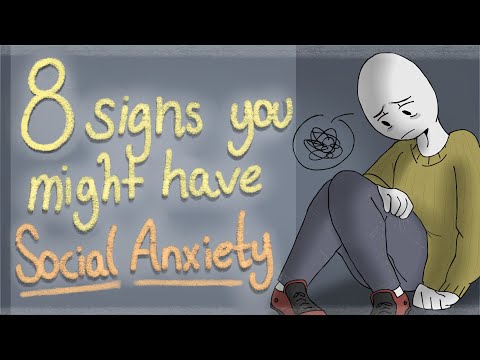
3. Social Anxiety Disorder
Ever felt super awkward in social situations? For folks with social anxiety, the fear of judgment from others can be overwhelming. Even simple things like ordering coffee might turn into a major ordeal.
4. Specific Phobias
Phobias are intense fears of specific things—like spiders, heights, or flying. You know how someone might freak out over a tiny spider? That’s a phobia doing its thing!
5. Agoraphobia
This is more than just being scared of crowds; it involves a fear of being in places where escape might be hard if something goes wrong—like public transport or big open spaces.
6. Separation Anxiety Disorder
While we often think of this in kids—like when they get upset at drop-off for school—it can show up in adults too! It’s an intense fear of being apart from significant others or even pets.
7. Selective Mutism
Usually found in children, this disorder makes it hard for them to speak in certain social situations—even if they talk freely at home! It’s not about traditional shyness; there’s something deeper going on.
8. Obsessive-Compulsive Disorder (OCD)
This isn’t just about being neat! People with OCD have persistent thoughts (obsessions) and feel driven to perform certain actions (compulsions). Think washing hands repeatedly to ward off imagined harm.
9. Post-Traumatic Stress Disorder (PTSD)
If someone goes through a traumatic event—like an accident or assault—they might develop PTSD. It includes flashbacks and severe anxiety related to that trauma long after the event has passed.
10. Substance-Induced Anxiety Disorder
Sometimes substances—like drugs or alcohol—can trigger anxiety symptoms or make existing anxiety worse when you try to quit them.
11. Anxiety Disorder Due to Another Medical Condition
Certain physical health problems can provoke feelings of anxiety too! For example, thyroid issues or heart disease might lead someone to feel anxious as part of their condition.
Living with any type of anxiety disorder is tough; it’s like carrying around invisible weights every day! Each type has its unique traits and impacts your life differently, but at their core, they all boil down to feeling overwhelmed by worry or fear at times when you shouldn’t have to be scared at all! Understanding these disorders helps remove some stigma and can foster compassion—for yourself and others who deal with similar struggles daily, you know?
Understanding the 6 Types of Anxiety Disorders: A Comprehensive Guide
Anxiety disorders can feel like a shadow that kind of follows you around, right? They’re more than just feeling stressed or worried. You might be surprised to learn that there are different types of anxiety disorders, each with its own quirks and characteristics. Let’s break them down.
1. Generalized Anxiety Disorder (GAD) is when you’re just constantly on edge. Like, you might find yourself worrying about everything—work, health, even things you should be enjoying. It’s that nagging feeling that something bad is about to happen, and no matter how hard you try to shake it off, it sticks around.
2. Panic Disorder is a whole different ball game. Imagine suddenly feeling intense fear without warning; your heart races, you can’t breathe properly, and it feels like you’re losing control. People often think they’re having heart attacks because the symptoms hit so hard and fast.
3. Social Anxiety Disorder, this one is huge for many people. It’s not just shyness—it’s a fear of judgment in social situations that keeps folks from enjoying life with others. You might avoid parties or even classes because the thought of being judged makes your stomach drop.
4. Specific Phobias are pretty common too! You know those irrational fears some people have? Like spiders or heights? Well, if the fear is strong enough to disrupt your daily life—like refusing to go near a spider—then it’s labeled a specific phobia.
5. Agoraphobia is often misunderstood as simply being afraid of open spaces. But it’s much more than that! This disorder involves intense fear of situations where escape might be difficult or help isn’t available if something goes wrong (think crowded places or public transport). Some people end up feeling trapped in their own homes!
6. Separation Anxiety Disorder, though mostly associated with children, can affect adults too! It’s that intense worry about being away from someone you love or even from home itself; this can lead to significant distress when separation happens.
The thing is, each type has its own unique flavor but they all interfere with everyday life in some way; this makes understanding them super important for anyone dealing with anxiety—or supporting someone who is.
You might have noticed how these disorders can create emotional cycles that are tough to break out of! Identifying what kind of anxiety disorder you’re facing can lead to better support and management strategies down the road.
Anxiety disorders aren’t just part of someone’s personality; rather they stem from complex interactions within the brain’s chemistry and behavior patterns—a bit fascinating if you think about it!
Uncommon Physical Symptoms of Anxiety: Understanding the Surprising Signs
Anxiety isn’t just in your head; it can mess with your body too. You might think of sweating or a racing heart as classic signs, but there’s a whole spectrum of uncommon physical symptoms that can catch you off guard. Let’s dive into some of those surprising signs.
Have you ever felt a sudden wave of dizziness? It’s not just from standing up too fast! For some people, anxiety can make you feel like the ground is shifting beneath your feet. This happens because when you’re anxious, your body gets ready to fight or run away. This response can upset your balance and make you feel faint.
Another weird symptom is a tightness in your throat or difficulty swallowing. It might seem like you’re choking on something but it’s really just anxiety playing tricks on you. This happens when muscles around your throat tense up due to stress and it can be super uncomfortable.
- Paresthesia: That tingling sensation in your fingers or face? Yup, that’s linked to anxiety levels fluctuating.
- Chronic fatigue: Feeling exhausted even after sleeping? Anxiety can wear you out mentally and physically.
- Nausea: Some people literally feel sick to their stomach when they’re anxious—it’s kind of like that butterflies-in-your-stomach feeling but amplified.
- Migraines: Those persistent headaches might be sparked by stress and anxiety lurking in the background.
You know how sometimes you just can’t sit still? Anxiety can lead to restlessness or that edgy feeling where even sitting down seems impossible. It feels like there’s this buzz inside that won’t let up!
Anxiety may also interfere with your sweating patterns. Some folks sweat excessively, almost as if they’re preparing for some non-existent marathon, while others find themselves oddly cold and clammy. Your body is reacting to stressors in strange ways!
If you’ve ever experienced muscle tension that feels like you’re carrying a heavy weight all the time—you’re not alone! Even small tasks seem tough because your muscles are always bracing for something bad, even if there’s nothing actually threatening around.
Anecdote time: A friend of mine once thought they were getting sick because they had this weird chest pain and couldn’t figure it out. Turns out, their anxiety was hitting hard that week! The pain was just muscle tension from stress—a relief to know it wasn’t anything serious, right?
The reality is that anxiety can express itself in ways you least expect. Understanding these surprising symptoms helps not only in recognizing what’s happening but also normalizing these experiences for many who might feel alone in them.
If any of these resonate with you, remember you’re not alone—it’s really common for anxiety to manifest physically in unexpected ways. Learning more about it can help reduce the fear surrounding those symptoms so important conversations about mental health keep going strong!
Anxiety disorders can feel like a heavy cloud hanging over you, even when everything seems fine on the surface. You know that feeling when your heart races for no reason? Or when that tight knot in your stomach won’t loosen no matter how hard you try to relax? Yeah, that’s anxiety doing its thing. And for some people, it’s more than just a fleeting moment; it becomes a constant companion.
Let me tell you about my friend Alex. He’s the life of the party, always cracking jokes and making everyone laugh. But beneath that fun exterior, he deals with social anxiety. If he has to speak in front of a group or even meet someone new, his palms get sweaty and his mind goes blank. It’s like there’s this invisible barrier between him and the rest of the world, making simple interactions feel overwhelmingly daunting.
What happens with anxiety disorders is that they can distort how we see ourselves and our surroundings. Suddenly, you’re not just worried about an upcoming test or a job interview; it spirals into this paralyzing fear of failure or judgment. You might start avoiding situations where you think you’ll feel anxious, leading to isolation and loneliness—like one of those endless loops where the more you avoid something, the more anxious you get about it.
And let’s talk about physical symptoms for a moment. Anxiety doesn’t just mess with your mind; it shows up in your body too! Headaches, stomach issues, sleep problems—you name it. It’s like your body is saying “Hey! Something’s off here!” but you’re not quite sure what to do about it. That disconnect can be super frustrating.
Now, not all anxiety is bad—it can actually be helpful sometimes! A little bit of anxiety helps keep us alert and ready for challenges—think exam butterflies or pre-game jitters. The trouble comes when that natural response becomes overwhelming and hinders daily life.
It’s wild how common these feelings are yet often so misunderstood. Talking openly about them can help chip away at the stigma surrounding mental health while also fostering connection and understanding among friends and family.
So if you’re feeling stuck in an anxious cycle or know someone who is dealing with it—just remember: you’re not alone in this journey! Understanding anxiety disorders isn’t just about recognizing symptoms; it’s also about compassion—both for yourself and others navigating their unique paths through mental health hurdles.