You know those moments when you’re all wrapped up in your thoughts about your relationships? Yeah, those can be a lot. Sometimes it feels like we’re just spinning in circles, thinking and overthinking until our heads hurt.
Ever wonder why some folks seem super chill while others are a bundle of nerves? It turns out, a lot of that boils down to something called attachment styles. Yup, this stuff can really mess with how we love and connect with each other.
So, here’s the deal: our early experiences shape how we relate to others later in life. If you think about it, it makes total sense! The way we bond as kids can totally set the stage for our adult relationships.
Stick around if you want to explore how these attachment styles play into relationship anxiety—because let’s face it, who hasn’t felt that nagging worry at some point?
Understanding Anxious Attachment Styles in Relationships: Insights and Dynamics
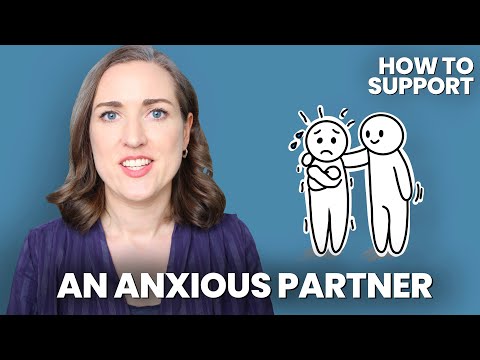
Okay, so let’s talk about anxious attachment styles in relationships. If you’ve ever felt super clingy or worried your partner might leave you, you might be dealing with this type of attachment style. It’s like having a little voice inside your head that keeps saying, «What if they don’t love me enough?»
Anxious attachment usually sprouts from early relationships with caregivers. If those caregivers were inconsistent—like loving one moment and distant the next—it can leave someone feeling unsure about their own worth and the stability of relationships. So, basically, that sets the stage for anxiety when it comes to forming close bonds.
- Fear of abandonment: Individuals with anxious attachment often live in constant dread of being left behind. They might overanalyze texts or call behaviors because every little thing feels loaded with meaning.
- Clinginess: You might find yourself wanting to be close all the time—like needing constant reassurance that everything’s alright. This can sometimes push partners away even though that’s not the intention.
- Overemotional reactions: Small issues can feel enormous. It’s like a minor disagreement spirals into “Do they even care about me?” This emotional rollercoaster can be exhausting!
- People-pleasing behaviors: To avoid conflict and gain validation, anxious attachers may bend over backwards to make their partner happy, often at their own expense.
You see how this all ties together? It’s a cycle where anxiety leads to behavior that makes partners feel overwhelmed or trapped, which then increases feelings of insecurity. For example, let’s say you text your partner twenty times when they’re late coming home. While you’re just looking for reassurance, they might feel stifled or pressured by that intensity.
A common scenario is when partners find themselves arguing during what should be simple moments of connection—like planning a weekend getaway. The anxious partner could become upset over their partner’s decisions or lack of enthusiasm about specific plans—even if those feelings seem overblown to everyone else.
The thing is, understanding and communicating about these patterns is crucial! When both partners recognize what’s happening—perhaps through open discussions or even educational resources—they can start addressing it together. Openly talking about feelings can help alleviate some of that anxiety!
A key step toward healthier relationships is recognizing these anxious tendencies and trying to work on them gradually. For example: some people find deep breathing exercises helpful when they feel anxiety creeping in; others journal their feelings to cool down before reacting too fast.
If your relationship has been rocking because of this anxious vibe—you’re not alone! Awareness is half the battle! Making an effort helps not only you but also your relationship overall!
Remember that understanding each other’s struggles creates more empathy and patience between partners—and that’s always a win-win situation!
Understanding Toxic Attachment Styles: Signs, Impact, and Healing Strategies
Understanding toxic attachment styles can feel like peeling back layers of an onion—sometimes it makes you cry, but there’s a deeper understanding waiting inside. Let’s break it down.
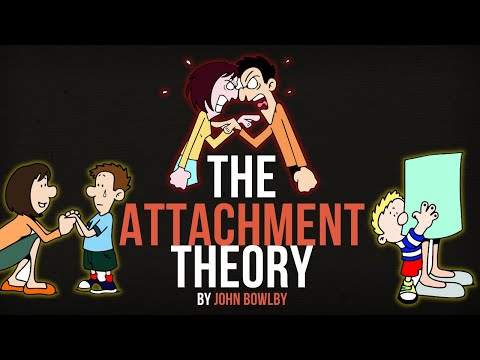
Attachment styles are basically how we connect with others emotionally. They form early in life, influenced by our relationships with caregivers. There are four main types: secure, anxious, avoidant, and disorganized. If you’ve ever felt super clingy or pushed people away when they got too close, you might be dealing with a toxic attachment style.
When we talk about toxic attachment styles, we’re usually referring to anxious or avoidant styles. Anxious individuals often fear abandonment and seek constant reassurance. Think about that friend who texts you every five minutes for validation; yeah, that’s anxious attachment at play! On the flip side, avoidant folks keep their distance. They might say something like “I love my space” but often it’s rooted in fear of intimacy.
Now let’s get into the signs. If you notice these patterns in yourself or someone else, pay attention:
- You feel the need to constantly check in with your partner.
- There’s excessive worry about being left alone.
- You struggle to express your feelings openly.
- You find it hard to trust even those close to you.
- You tend to keep partners at arm’s length; emotional intimacy feels scary.
The impact of these attachment styles can be pretty heavy. Relationships might be filled with anxiety and distrust for those with an anxious style. You might feel like you’re on an emotional roller coaster—one moment you’re elated by a compliment, and the next you’re spiraling because of a missed text.
For avoidant types, relationships may seem shallow or unfulfilling over time. You could end up feeling lonely despite being in a relationship because real connection feels out of reach.
So what can be done? Healing strategies exist! It involves recognizing your patterns first. Self-awareness is key here—it’s about understanding why you react the way you do.
- Journaling: Writing down your feelings can illuminate patterns and triggers.
- Therapy: Sometimes talking it out helps; therapists can offer guidance tailored to your needs.
- Meditation: Grounding techniques calm anxiety and promote regular self-reflection.
- Building healthy boundaries: It’s important to learn when to say no and protect your emotional space.
But remember, change takes time! It won’t happen overnight; consistent effort leads to growth.
In closing, realizing that toxic attachment styles shape how we relate is huge. By identifying signs and implementing healing strategies, moving toward healthier connections becomes more achievable over time. It’s all part of understanding ourselves better and fostering emotional resilience for our relationships ahead!
Exploring the Impact of SSRIs on Anxious Attachment: A Comprehensive Analysis
SSRIs and Anxious Attachment: What’s the Deal?
Alright, let’s break this down. SSRIs, or selective serotonin reuptake inhibitors, are a type of medication often prescribed for anxiety and depression. Now you might be thinking, “What do they have to do with attachment styles?” Well, anxious attachment is a way we connect with others based on our early experiences. When someone has an anxious attachment style, they often feel insecure in relationships. They might worry that their partner doesn’t love them enough or fear abandonment.
Understanding Anxious Attachment
People who struggle with this style may have had inconsistent caregiving when they were younger. They could have learned that they need to cling tightly to others for reassurance. Imagine a kid who’s always worried if their parent will show up—this kind of environment can lead to adults who are overly sensitive to their partner’s signals.
When it comes to SSRIs, these medications work by increasing serotonin levels in the brain. Serotonin is basically a mood booster, helping to create feelings of well-being and happiness. If you’ve ever felt like your emotions were on a rollercoaster, SSRIs might help flatten that ride out.
The Impact of SSRIs
So you’re probably wondering how this all ties together! Here’s where it gets interesting:
- Reducing Anxiety: SSRIs can help lower the intense feelings of anxiety that come with an anxious attachment style.
- Improved Relationships: With less anxiety about rejection or abandonment, people may find themselves more relaxed in their relationships.
- Coping Mechanisms: As mood improves, individuals might develop healthier coping mechanisms instead of relying on clinginess.
Imagine someone who is constantly texting their partner for reassurance. After starting SSRIs, they might feel less compelled to check in constantly because they’re not overwhelmed by anxiety.
Anecdote Time!
Let me tell you about Sam. Sam always felt like he was on edge whenever he was dating someone new. He’d panic over every little thing—was she texting back too slowly? Did she seem distant? After being prescribed SSRIs, things shifted dramatically for him. Instead of spiraling into doubt over text messages or missed calls, he found himself just enjoying time with his partner without that ever-present fear creeping in.
Challenges Ahead
But let’s keep it real; it’s not all sunshine and rainbows! While SSRIs can help people manage their anxiety better, they’re not a magic fix for attachment issues.
- Dependency: Some individuals may still cling to past patterns even while on medication.
- Therapy Needed: Working through attachment styles often requires therapy alongside medication.
- Side Effects: Not everyone responds the same way; some might experience side effects that make things trickier.
So yeah, while SSRIs can definitely ease some anxious symptoms associated with anxious attachment styles, tackling those deeper emotional patterns usually needs more than just medication.
The Takeaway
In short, there’s definitely an interplay between SSRIs and how someone experiences anxious attachment. Understanding yourself better and seeking support can make a world of difference! It’s super important to realize there are various paths toward managing these feelings effectively—you don’t have to navigate them alone!
You know, when it comes to relationships, sometimes it feels like we’re all just trying to navigate this big, messy world of emotions. One thing that seems to play a huge role in how we connect with others is our attachment style. It’s one of those psychological concepts that actually makes a lot of sense once you start looking at it closely.
So, let’s break this down a bit. Attachment styles are basically the ways we learned to bond with people early on in life—like with our parents or primary caregivers. There are four main styles: secure, anxious, avoidant, and disorganized. And here’s where it gets interesting: these styles can show up in our adult relationships and can totally affect how we feel and behave with our partners.
For instance, if you have an anxious attachment style, you might feel tension or worry when you’re dating someone new. Like, maybe you’re constantly second-guessing yourself or fearing that your partner will leave you. I remember a friend of mine who was always worried his girlfriend would stop loving him even when she reassured him constantly. It was like every little argument turned into a crisis for him.
On the flip side, someone with an avoidant attachment style might struggle to open up emotionally or push their partner away when things get too close for comfort. Think about those times when you tried to have a deep conversation with someone and they just shrugged it off; that’s kind of what I mean! It can create this weird push-and-pull dynamic that leaves both people feeling pretty disconnected.
And then there’s the secure attachment style—these folks tend to feel more comfortable in relationships and usually don’t experience as much anxiety because they trust their partners and expect them to be there. So yeah, if you’ve got that secure vibe going on, you’re probably dealing with relationship stuff in a way that feels healthier and less stressful.
It’s fascinating how these patterns play out in real life. You might find yourself repeating the same behaviors or feelings over and over again without even realizing why—like getting into relationships that just make your heart race for all the wrong reasons!
But here’s where it gets kind of hopeful: knowing about these attachment styles can actually help us figure out why we do what we do in relationships. It gives us insight into our emotional patterns so we can work on changing them if we want to—kind of like shining a light on parts of ourselves that need some TLC.
So yeah, just remember: your attachment style isn’t set in stone; it’s more like a map showing where you’ve been emotionally. And understanding it can really lead to better connections with others, letting go of some unnecessary anxiety along the way!