You know how some people seem to cling on a bit too tight in relationships? Like, it’s almost suffocating? That’s anxious attachment for you.
It’s that feeling where you constantly worry about being abandoned or not being enough. You might’ve seen it in yourself or your friends. It can make love feel like a rollercoaster!
Let me tell you, figuring this out can be a game changer. It helps you understand why you act a certain way and what drives those nagging thoughts.
So, let’s break this down together and explore how anxious attachment shapes our connections with others. It could be eye-opening!
Understanding Avoidant Attachment Style: Impacts on Relationships and Emotional Health
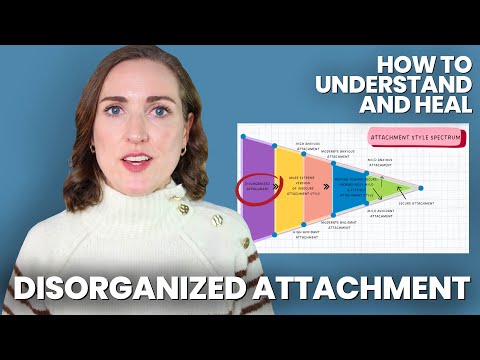
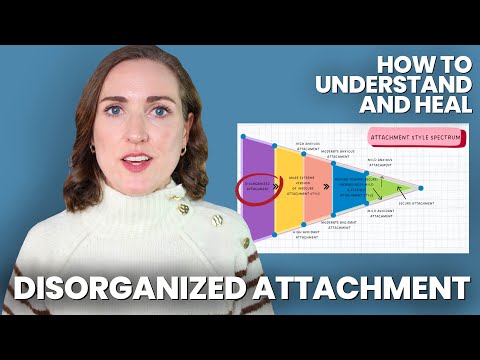
So, let’s chat about avoidant attachment style. This is one of those patterns that can really shape how you connect with others, you know? It’s all about how people handle closeness and intimacy, especially in relationships. You might find that someone with an avoidant attachment style keeps a bit of distance—emotionally and sometimes physically. So here’s the lowdown.
What is Avoidant Attachment? People with this style tend to feel uncomfortable with too much emotional closeness. They might have grown up in environments where their needs for affection weren’t consistently met. Instead of relying on others, they often become self-sufficient to the point where they push people away.
Impacts on Relationships: Here’s the thing: it can be tough when you’re trying to get close to someone who has this attachment style. They might come off as aloof or uninterested, but it’s often just their way of managing feelings.
- Avoidance of Intimacy: If you try to share something personal or emotional, they may change the subject or shut down. It’s like hitting a wall.
- Pushing Away: In times of stress, they could withdraw even more. You might feel frustrated because it seems like they care less than you do.
- Difficulties with Vulnerability: Opening up can feel like a scary leap into the unknown for them; emotions just don’t sit well.
You know that feeling when your friend suddenly stops responding during a deep convo? That could be your avoidant pal going into their shell, feeling overwhelmed by vulnerability.
Emotional Health Implications: Living with an avoidant attachment style can lead to some tricky emotional landscapes. Here are some consequences that commonly pop up:
- Anxiety and Isolation: Even though they act like they don’t want anyone around, underneath there could be anxiety about being alone or not being truly connected.
- Bottle Up Emotions: Instead of expressing what they’re feeling, many avoidants shove emotions down inside—they believe it’s safer not to share at all.
- Poor Self-Esteem: The constant push-and-pull in relationships can make them doubt themselves and question their worthiness of love.
A friend of mine once dated someone with this attachment style. They loved each other but struggled because he always seemed just a step away—never fully letting her in, which left her questioning if she was enough for him.
If you know someone who might have an avoidant attachment style—or if you think you might be falling into this pattern—it can help to understand why things are happening the way they are. Having open conversations (even baby steps towards vulnerability) can work wonders! Just remember that it takes time for change; after all, old habits die hard!
The bottom line? Understanding avoidant attachment isn’t about labeling folks but rather about grasping some core human behaviors that drive our connections with others! Having empathy for ourselves and others is key—and who knows? You may just create more space for honest connections down the line!
Understanding Anxious Attachment Style in Relationships: Key Insights and Strategies
So, you’ve probably heard about attachment styles, right? They’re these patterns of behavior we develop in relationships, based on how we connected with our caregivers growing up. One of the most common and complex types? It’s called anxious attachment style. If you or someone close to you tends to get anxious or clingy in relationships, knowing more about this could be super helpful!
Anxious attachment often originates from inconsistent responses during childhood. Maybe your parents were sometimes nurturing and at other times absent. This can lead to feelings of insecurity in relationships as adults. You might find yourself constantly worrying about your partner’s feelings toward you or fearing abandonment. And man, that can feel pretty overwhelming!
- High sensitivity to partner’s cues: If you’re anxious attached, you might be hyper-aware of your partner’s moods and reactions. A simple change in their tone could send your heart racing.
- Difficulties with trust: Trusting others may not come easy for you. You might question if your partner genuinely cares or if they’ll stay around.
- Need for reassurance: Constantly seeking confirmation that you’re loved can be exhausting, both for you and your partner.
- Fear of rejection: The thought of being rejected can be paralyzing, causing a lot of anxiety when things aren’t perfect in the relationship.
A little story might help here: I once knew someone who would literally text their partner every few minutes just to check in—hoping for a quick reply to ease their mind. If the reply took too long? Panic would set in! That cycle just fueled more anxiety.
You see, it’s not so much about wanting to bother someone; it’s rooted deep down in that fear of not being enough or losing someone important.
If you’re dealing with anxious attachment but want things to change (and honestly, it’s totally possible!), here are some strategies:
- Acknowledge your feelings: Recognizing when you’re feeling anxious is huge—it’s the first step towards better managing those emotions.
- Practice self-soothing techniques: When anxiety strikes, breathing exercises or mindfulness can help ground you and regain control over those racing thoughts.
- Communicate openly: Talk to your partner about how you’re feeling. Chances are they won’t mind hearing what’s on your mind!
- Create personal space: Learning to enjoy time alone without panicking is essential; it helps build independence and confidence.
Your journey may take some time—it’s about learning new patterns and reshaping old habits. But getting there is oh-so-worth-it! Remember that relationships are partnerships where both people should feel secure and valued.
If there’s one takeaway here, it’s this: understanding where those feelings come from empowers you to create healthier dynamics moving forward. So dive into this self-discovery journey! It could really change how you connect with others!
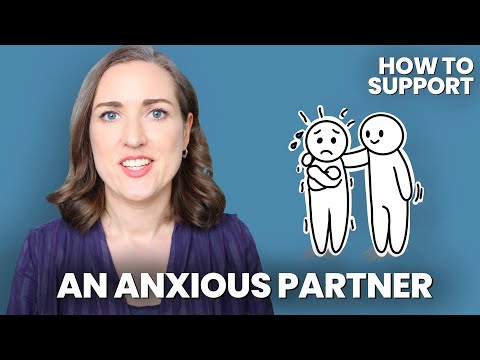
Effective Strategies for Navigating Relationships with Anxious Attachment Partners
Navigating relationships can feel like walking a tightrope, especially if you’re with someone who has an anxious attachment style. If you’re curious about what that looks like, let’s break it down.
First off, people with anxious attachment often worry about being abandoned or not being good enough for their partner. This can lead to behaviors that might feel clingy or overly dependent at times. Imagine someone getting upset because you don’t answer a text right away – it’s a classic sign of that anxiety kicking in.
So, what can you do to support both yourself and your partner? Here are some effective strategies:
- Communicate openly: Talk about your feelings and encourage your partner to share theirs too. Use «I» statements like «I feel overwhelmed when…» instead of pointing fingers.
- Reassurance is key: Offer consistent reassurance. Simple phrases such as «I’m here for you» or «You’re important to me» can make a huge difference.
- Set boundaries: While it’s essential to be supportive, you also need your space. Be clear about what you need without being harsh.
- Practice patience: It might take time for your partner to adjust their reactions. When they spiral into anxiety, stay calm and remind them that it’s okay to feel this way.
- Avoiding triggers: Identify situations that typically trigger anxiety in your partner and try to either avoid them together or approach them carefully.
- Create a safe environment: Encourage routines and stability in the relationship. Predictability helps ease anxiety—like setting aside a specific night each week for just the two of you.
Here’s the thing: it’s all about balance. For example, I once knew this couple where one person always needed constant texts throughout the day just to feel secure. At first, it felt exhausting for the other half but they realized that by engaging in small daily check-ins—just a quick “Hey! Thinking of you!”—they could help ease their partner’s worries without losing their own sanity.
Remember though: working through these dynamics requires effort from both sides, and it’s okay if things aren’t perfect right away! Keep the communication flowing and remind yourselves why you’re committed to making this work.
In relationships, especially with anxious attachment styles involved, understanding is everything. So keeping empathy at the forefront will really help both partners flourish together!
You ever feel like you’re just on edge in your relationships? Like, no matter how much you care about someone, that pesky little voice in your head is always whispering doubts? That’s pretty much what anxious attachment is all about. It’s like carrying around this invisible backpack full of worries about whether your partner truly loves you or if they might just leave one day.
So, let’s break this down a bit. Anxious attachment usually stems from childhood experiences. Maybe you had caregivers who were inconsistent—loving one moment and distant the next. It leaves a mark, right? As adults, we tend to replay those patterns unconsciously. Suddenly, you’re in a relationship and every little thing feels like a potential catastrophe—like if they don’t text back quickly enough, it’s game over.
I once had a friend who dated someone wonderful but always felt like she was walking on eggshells. When her partner would go out with friends without her, she’d spiral into thoughts of “What if they find someone better?” or even “What if they don’t love me anymore?” It became exhausting for both of them. She couldn’t enjoy the moments because her anxiety was constantly pulling at her.
People with anxious attachments often crave closeness but fear it at the same time—it’s basically being stuck in this push-pull cycle where you’re seeking reassurance but also questioning everything. If that sounds familiar to you, well… you’re definitely not alone! Lots of folks wrestle with this stuff.
The good news? Understanding these feelings can help you work through them. Having those honest conversations with your partner can create more security and trust between you both. And while it might feel daunting at first—hey, vulnerability can be scary—taking small steps towards building that trust really does make a difference.
So when you’re feeling that anxious tug in your chest next time you’re waiting for that text or call? Just remember: it’s okay to communicate those fears instead of letting them bottle up inside. After all, loving someone should feel like hanging out with your best buddy rather than being on a rollercoaster ride of anxiety!