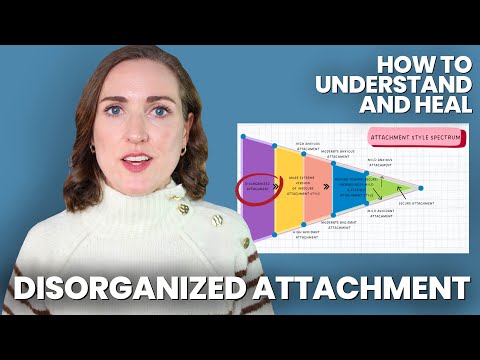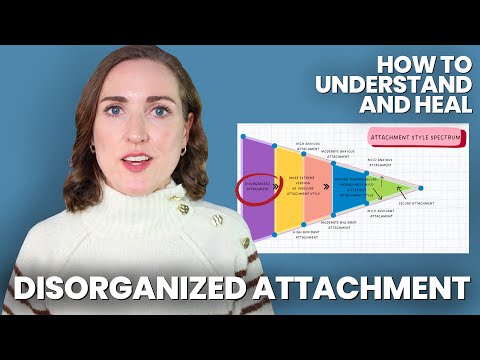
So, let’s chat about attachment styles. You know, those patterns that sneak into our relationships? One of the trickiest ones is anxious avoidant attachment.
It can feel like a game of emotional tug-of-war. On one hand, there’s a desire for closeness, but on the other, a total freak-out at the thought of it. Confusing, right?
You might even have seen this dance in your own life or with friends. Like that friend who really wants love but pushes people away when they get too close? Yeah, that’s what I’m talking about!
Getting our heads around this stuff can make a big difference in how we connect with others. So let’s unpack the dynamics behind it all! Sounds good?
Breaking the Anxious-Avoidant Dynamic: Strategies for Healthier Relationships
So, here’s the deal: the anxious-avoidant dynamic can be a real rollercoaster in relationships. You’ve got one person who craves closeness and reassurance, while the other might feel overwhelmed by too much intimacy and tends to pull away. This back-and-forth can leave both feeling frustrated and confused. Breaking this cycle requires understanding, patience, and some practical strategies.
First off, communication is crucial. It might sound cliché, but if both partners can talk honestly about their feelings, it lays a solid foundation. The anxious partner should express their need for connection without getting too needy—like saying something simple: “Hey, I’d love to hang out more this week.” On the flip side, the avoidant partner needs to share when they’re feeling overwhelmed instead of just backing away. It’s all about finding that sweet spot where both needs are acknowledged.
Next up: self-awareness. Both people in a relationship need to understand their own attachment styles. Ever heard of triggers? They’re those moments when your heart races or your palms get sweaty because you’re feeling anxious or rejected. By recognizing these triggers—like maybe it’s when plans change at the last minute—you can start to manage your reactions instead of letting them control you.
- Practice vulnerability. This one’s tough but vital! For the anxious partner, showing vulnerability can help build trust and safety. Try sharing your fears or insecurities openly; it might just encourage your avoidant partner to do the same!
- Create safe spaces. Make sure there are times and places where both can relax without pressure. Maybe it’s a casual walk in a park or just hanging out at home with no distractions—whatever feels comfortable for both of you!
You know how sometimes friendships go deeper after tough conversations? Relationships work similarly! Opening up fosters deeper connections and helps break down those walls we all tend to build over time.
Boundaries matter as well. Setting healthy boundaries means recognizing each other’s limits and respecting them! If one person needs space after a long day, that’s cool—you should honor that without taking it personally. Just make sure to check in later so they know you still care.
This brings us to empathy—so essential! Trying to see things from your partner’s perspective can change everything. When someone understands what you’re going through—even if they don’t fully get it—it makes you feel less alone, you know?
- Seek out support systems. Strong relationships don’t exist in vacuums; having friends or family around who understand what’s going on helps relieve some of that tension between partners!
- Cultivate patience! Breaking these patterns takes time; there will be ups and downs along the way. Celebrate small victories together—like when one reaches out during an uncomfortable moment instead of retreating!
The thing is: willingness goes a long way. If both partners are genuinely invested in making things work and put effort into understanding each other better, healing is definitely possible! It might take practice and commitment but hey—it could lead to more fulfilling relationships down the road!
So remember: it’s not only about breaking old habits; it’s also about building new ones together—a totally rewarding journey if you’re both on board with it!
Understanding Avoidant Attachment: Do Avoidants Get Overwhelmed Easily?
Alright, let’s talk about avoidant attachment. You know, that style of relating to people where someone tends to prioritize their independence over closeness? Basically, they often keep a bit of distance in relationships because, well, emotional intimacy can feel overwhelming for them.
So do avoidants get overwhelmed easily? The short answer is: yes and no. Here’s what goes on in their minds. People with avoidant attachment styles often struggle with strong emotions. It’s like they have this internal alarm system that goes off when it feels too close for comfort. They might be fine one minute, but once things start getting intense—like deep conversations or displays of affection—they can feel a wave of discomfort wash over them.
Imagine you’re at a party, and everyone’s chatting and laughing. Then suddenly, someone pulls you aside to share their deepest feelings about life. You might appreciate their honesty but also feel this urge to escape the serious vibe. That pressure can trigger an avoidant person to shut down or back away.
- Emotional flooding: This is what it feels like when they’re hit by too many feelings at once.
- Coping mechanisms: Avoidants often adopt strategies to cope with overwhelm, like dismissing their feelings or avoiding situations that require vulnerability.
- Conflict avoidance: When faced with disagreements or emotional discussions, they may opt for silence instead of engaging fully.
A friend of mine had a really tough time with his girlfriend because she wanted more closeness than he felt comfortable with. Whenever she brought up future plans or expressed her love deeply, he’d freeze up and change the topic. It wasn’t that he didn’t care; it was just that those moments made him feel so vulnerable that he instinctively pulled back.
The underlying cause? Many avoidants grew up in environments where affection was inconsistent or maybe even conditional. As kids, if their caregivers were around one moment but distant the next, they learned that getting close could lead to pain or disappointment later on. So naturally, as adults, when faced with emotions that remind them of those feelings from childhood—yikes!—they tend to retreat.
It’s sort of like being at the edge of a pool and feeling nervous about diving in because you can’t see what lies beneath the surface; it seems safer to just stick to the shallow end.
This pattern can leave both partners feeling confused and frustrated. The anxious partner might crave connection while the avoidant feels flooded by it—like a push-and-pull dance where neither knows how to find balance without stepping on each other’s toes.
The good news? With some understanding and patience from both sides—and maybe a bit of self-reflection—these patterns can shift. Avoidants can learn healthier ways to engage emotionally without feeling overwhelmed all the time; it just takes time and effort.
The bottom line here is this: yes, avoidants can get overwhelmed easily in emotionally charged situations which makes understanding these dynamics super crucial if you’re trying to support someone in your life—or even yourself!
Understanding the Anxious-Avoidant Dynamic: Impacts on Relationships and Personal Growth
The anxious-avoidant dynamic is one of those tricky patterns that can definitely complicate relationships. It happens when two people, each with different attachment styles—one anxious, the other avoidant—come together. To put it simply, it’s like trying to dance to different music. You follow me?
When someone with an anxious attachment style gets close to someone who’s avoidant, things can get tense. The anxious person craves closeness and reassurance, while the avoidant one tends to pull back when things get too intense or serious. It’s a bit of a roller coaster, with one person seeking connection and the other running for the hills.
You might have seen this play out in real life. Think about your friend who is always texting their partner for validation—“Are you still into me?” Meanwhile, their partner takes hours to respond because they just need space. That back-and-forth can create a lot of miscommunication and frustration.
Here are some of the impacts this dynamic can have:
- Emotional Turbulence: The anxious partner often feels insecure and might think something’s wrong when there’s no immediate reply from the avoidant partner.
- Conflict: This difference in needs can lead to arguments where both people feel misunderstood.
- Brittle Trust: Over time, trust can erode if consistent patterns aren’t addressed; the anxious partner may start doubting their worth.
- Growth Challenges: Both partners might struggle with personal growth because they’re focused more on managing each other’s needs than on their own development.
It’s not all doom and gloom, though! Understanding this dynamic can lead to healthier relationships. When both partners recognize their patterns, they can start working on them together. For example, the anxious person might learn how to be more self-soothing, while the avoidant person could practice being more open about their feelings.
So what does that mean for personal growth? Well, addressing these attachment styles isn’t just about fixing a relationship; it’s also a chance for each person to grow individually. The anxious individual may discover new ways of building self-esteem without relying entirely on their partner. And the avoidant one? They could learn that vulnerability doesn’t have to be scary.
In short, understanding this anxious-avoidant dynamic gives you insight into why you or someone else behaves a certain way in relationships. It’s all about becoming aware of these patterns and making small changes—because hey, nobody wants to be stuck dancing alone forever!
So, let’s chat about anxious avoidant attachment, a bit of a mouthful, right? But bear with me; it’s actually super interesting once you dig in.
Picture this: you’re at a party. You see someone you like across the room. Your heart races, palms get sweaty, and there’s that tiny voice in your head saying, «Just go talk to them!» But what do you do instead? You hang back, anxiously wondering if they’ll even want to chat or if you’re just being silly for thinking this could lead anywhere. That push and pull is a classic dance for people with anxious avoidant attachment styles.
Now, someone with an anxious attachment style is often craving closeness. They want connection but are also terrified of rejection. On the flip side, those with an avoidant attachment are all about keeping their distance. They fear losing their independence and often feel suffocated by too much intimacy. So when these two meet—oh boy! The tension can be palpable.
Let me share a little story here. A friend of mine was in a relationship that looked perfect on paper. They had loads of fun together and shared similar interests, but there always seemed to be something off. My friend would often express feeling insecure, like they were walking on eggshells around their partner’s emotions. Their partner, however, would retreat whenever things got too deep or emotional; they’d rather binge-watch shows than face tough conversations about feelings. It was like they were stuck in a loop—my friend reaching out while the partner pulled away just as quickly.
This dance can leave both people feeling really frustrated and lonely—like they’re stuck in this weird limbo where neither feels truly connected to the other. What happens is that one person keeps pushing for more connection while the other runs for the hills at the first sign of intimacy.
The dynamic can be exhausting! And it’s really not anyone’s fault; it’s just how they learned to navigate relationships early on—maybe from family or past experiences that shaped how they view love and connection.
Understanding this back-and-forth is key because it opens up avenues for growth and better communication between partners. It’s not easy work by any means—if anything, it takes some serious self-reflection and honesty to overcome those fears on both sides.
So if you ever find yourself caught up in these dynamics or know someone who is—you’re definitely not alone! And knowing more about how these attachments work can hopefully lead to healthier relationships down the line. Everyone deserves that sense of security and understanding in their connections!