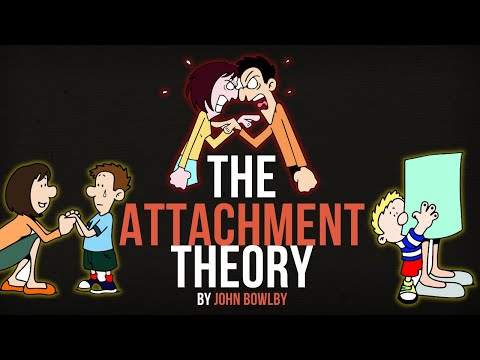
You know that feeling when you’re super into someone, but also kinda scared to get too close? Yeah, that’s the vibe in anxious-avoidant relationships. It’s like a dance of push and pull, right?
One minute you’re all in, and the next, you’re backing away like, “Whoa, too much.” It can be confusing as heck. Seriously, it’s enough to make your head spin!
People with this dynamic often crave connection but freak out when they actually start getting it. So what gives? Why do we keep doing this to ourselves? Let’s dig into it together and figure out what makes these relationships tick.
Understanding Anxious Avoidant Relationships: Navigating the Complex Dynamics for Healthier Connections
Anxious-avoidant relationships can be a bit of a rollercoaster, right? You know, when one person craves closeness, while the other tends to pull away. It’s like trying to dance with someone who’s stepping on your toes the whole time. But what are these dynamics really about?
Attachment styles play a crucial part here. They shape how we relate to others. If you’re anxious, you may feel insecure in relationships, always worried about your partner’s love and commitment. On the flip side, an avoidant partner often feels overwhelmed by too much intimacy and may back off when things get serious.
So let’s break it down:
- Need for closeness versus fear of it: The anxious partner seeks validation and support but fears abandonment. The avoidant individual craves independence and feels suffocated by too much emotional demand.
- Communication struggles: When issues come up, the anxious partner might want to discuss them immediately, while the avoidant might shut down or withdraw, thinking that talking will only escalate tensions.
- The push-pull dynamic: This term perfectly describes how these two sometimes operate. The anxious one pushes for connection; the avoidant pulls away to maintain distance. It’s exhausting!
You may have witnessed or experienced something similar yourself. Imagine feeling like you need to be close to someone but then constantly getting mixed signals when you try to connect—like trying to hug a cactus!
- Awareness is key: Both partners need to recognize their attachment styles and how they impact each other.
- Open communication: This one can’t be understated! Establishing a safe space for sharing feelings without judgment helps reduce tension.
- Taking baby steps: The anxious partner can practice patience while the avoidant one learns to lean in just a little more—like dipping your toes into warm water instead of jumping straight in!
Navigating these dynamics isn’t easy; it’s definitely a work in progress! Realistically, understanding yourself and your partner better can make all the difference in creating healthier connections. Just remember: growth takes time.
If both people are willing to put in some effort and learn from each other’s needs and triggers, then there’s definitely hope for building a stronger bond together! You just have to be ready for that journey.
Understanding Anxious Avoidant Relationships: Insights and Strategies for Navigating Complex Dynamics
Let’s talk about anxious-avoidant relationships. These can be pretty complicated and often lead to a lot of emotional ups and downs. Basically, one partner is usually more anxious and craves intimacy, while the other tends to avoid closeness and might even pull away when things get too intense. It’s like a dance where both are moving in opposite directions.
In an anxious-avoidant dynamic, you’ll see some common behaviors:
- Anxious partner: This person often feels insecure about their partner’s love and commitment. They might constantly seek reassurance.
- Avoidant partner: On the flip side, they value independence and may feel overwhelmed when their partner demands closeness. Their instinct is to withdraw.
Think about a time when you wanted someone to hold your hand in a crowded room but felt them pulling away instead. That’s the kind of confusion that happens here. You’re wanting connection, while they’re backing off because it feels too much for them.
The tricky part is that these patterns can create a cycle of conflict that’s hard to break. The anxious partner’s behavior can trigger the avoidant partner’s fear of losing their independence, leading them to withdraw even more. And then the anxious person feels even less secure, which just ramps up their anxiety.
Here are some key insights to consider:
- Recognize your triggers: Both partners need to understand what makes them feel anxious or overwhelmed in the relationship. This awareness is crucial.
- Communicate openly: Try establishing clear channels for discussion without blame or criticism. It’s all about sharing feelings rather than pointing fingers.
- Create safety: Both partners can work on building trust over time—small efforts count! Even simple gestures like texts during the day can help ease anxieties.
An anecdote comes to mind: I remember a friend who was always worried that her boyfriend would leave her if she expressed too much emotion. Instead of talking it out, she’d bottle it up, which just made her feel more anxious—and guess what? It pushed him away further! He didn’t know how deeply she felt because she never shared her thoughts genuinely.
If you’re navigating this kind of relationship—or know someone who is—it helps to focus on emotional regulation techniques like deep breathing or mindfulness exercises. Seriously, being aware of your emotions as they come up can change how you react during tense moments.
You might also want to think about boundaries—healthy boundaries promote better understanding between both partners without creating pressure or fear of abandonment. Remember, setting limits isn’t about shutting someone out; it’s often about establishing mutual respect for each person’s needs!
The bottom line? Being in an anxious-avoidant relationship doesn’t mean you’re doomed; it just means there’s work involved! With patience and commitment from both sides, there’s potential for growth and deeper connection despite these complex dynamics.
Understanding Anxious-Avoidant Relationships: Navigating the Complex Dynamics for Healthier Connections
Understanding anxious-avoidant relationships can feel like wandering through a maze with no clear exit. These connections often get tangled up in a dance of push and pull, where one partner craves closeness while the other shrinks away from it. So, how do we make sense of this complexity? Let’s break it down.
Attachment Styles play a huge role here. Basically, there are four primary styles: secure, anxious, avoidant, and disorganized. Individuals with an **anxious attachment style** tend to seek out intimacy and reassurance. They might worry about their partner’s love or commitment so they come on strong in relationships.
On the flip side is the **avoidant attachment style**. These folks often value their independence to the point where they might dodge emotional closeness. When someone gets too close for comfort, they can freak out a bit and retreat into themselves.
Now, let’s say we have Sam and Alex. Sam is super eager to connect—texting back quickly and wanting to hang out all the time. Alex, however, feels suffocated by this neediness and pulls back whenever things feel too intense. You see where this could lead to misunderstandings? Sam may feel rejected or unworthy while Alex may feel overwhelmed or trapped.
Communication Breakdown is another key aspect here. Each person has their own language when it comes to expressing needs and emotions. Anxious partners might talk openly about feelings but that can come off as clinginess to avoidants who prefer more distance.
For instance, let’s picture Alex receiving one of Sam’s heartfelt texts late at night that reads something like “I really need you right now.” Instead of feeling flattered or touched, Alex might interpret it as pressure—prompting them to withdraw further because it feels like too much.
The Cycle Continues. This pattern can create a vicious loop, leaving both people feeling frustrated and misunderstood. The anxious partner becomes more clingy as they sense their avoidant partner pulling away while the avoidant partner distances themselves even more when feeling smothered.
But here’s the kicker: breaking this cycle is totally possible! It starts with self-awareness. Recognizing your own feelings can help each partner express their needs in healthier ways instead of letting insecurity drive behavior.
Another key point is creating safety. This doesn’t mean changing who you are overnight; rather it involves setting up small steps towards reassurance for both partners. Maybe Sam could learn to tone down constant texting, giving Alex space when needed—while Alex could work on opening up just enough so that Sam feels valued rather than abandoned.
A few strategies could be:
Real change takes time though—don’t rush it! It requires patience from both sides but working towards mutual understanding can lead these two conflicting styles towards a healthier connection over time.
In essence, navigating anxious-avoidant dynamics isn’t easy but definitely achievable with effort and open hearts!
Anxious avoidant relationships can feel like a wild emotional rollercoaster, right? You’ve got one person craving connection and reassurance while the other pulls away when things get too close for comfort. It’s like an intricate dance where both parties often step on each other’s toes.
Imagine this: you’re with someone who seems amazing, but whenever you try to get closer, they start to retreat. It can leave you feeling confused and even a bit desperate for that connection. You might think, “What did I do wrong?” or “Why can’t they just see how much I care?” But the thing is, it’s often not about you at all.
People with an anxious attachment style tend to constantly seek validation and closeness. They need that assurance that everything’s okay in the relationship. On the flip side, those with avoidant attachment are typically more comfortable keeping their distance. They might see intimacy as threatening or feel overwhelmed by the idea of deep emotional bonds. It’s like they’ve got this invisible wall up that makes it hard for them to let anyone in.
I remember a friend who was in one of these relationships. No matter how much she tried to connect with her partner, he’d pull away at the slightest hint of vulnerability—like a turtle retracting into its shell! This back-and-forth led her to second-guess herself constantly and question her worth. It was heartbreaking to watch.
The tricky part is that both styles feed off each other in ways that can spiral out of control. The anxious partner’s neediness could push the avoidant partner even further away, leading to more anxiety and frustration. It becomes this cycle where neither feels secure; it’s tough.
At some point, awareness comes into play—understanding these dynamics can help break the cycle. If both individuals recognize their patterns, maybe there’s space for communication and growth? They could figure out ways to meet halfway instead of falling into those familiar traps of fear and withdrawal.
So yeah, anxious avoidant relationships are complex and often filled with push-pull dynamics that can leave both partners feeling lost at sea if they’re not careful. Navigating through this maze requires patience, honesty, and sometimes even a little vulnerability—yikes! But that’s how we learn about ourselves and how we relate to others in this wild journey called life.