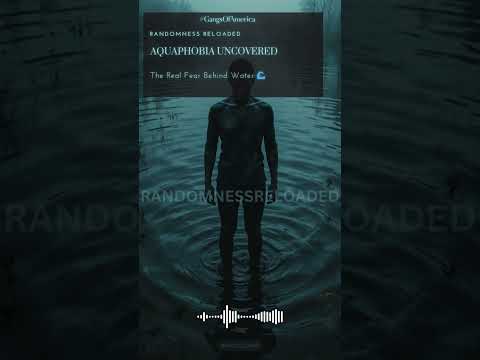
Water can be pretty scary, right? I mean, think about it. That deep end of the pool? Totally intimidating for some folks. Or how about standing on a beach with waves crashing toward you? Yikes!
Aquaphobia isn’t just a quirky fear; it messes with people’s heads in a big way. You might find yourself struggling to relax while others are splashing around without a care. Isn’t that wild?
It’s not just in your head, either. The feelings are real and can hit hard! So, let’s chat about why this fear happens and how it can totally shape someone’s life. Sound good?
Understanding Aquaphobia: Is It Considered a Mental Disorder?
Aquaphobia, or the intense fear of water, is a specific phobia that can really shake things up in a person’s life. If you think about it, water is everywhere—rivers, lakes, swimming pools, even in our daily showers! For someone dealing with aquaphobia, just thinking about being near water can lead to anxiety and panic attacks. It’s not just a casual dislike; it’s a genuine fear that can disrupt daily activities.
So, how does aquaphobia fit into the bigger picture of mental disorders? Well, it falls under the umbrella of specific phobias. Specific phobias are characterized by an excessive and irrational fear of a particular object or situation. This means that while everyone might feel a bit uneasy about deep water at times, someone with aquaphobia feels extreme fear that goes beyond what most people experience. You follow me?
Here are some key points to keep in mind:
- Intensity: The fear is often disproportionate to any actual threat posed by water.
- Physical Reactions: Those with aquaphobia may experience sweating, rapid heartbeat, or even trembling when faced with the thought of water.
- Avoidance Behavior: People might go to great lengths to avoid situations involving water—like skipping beach trips or avoiding swimming pools.
- Impact: This phobia can seriously impact social interactions and lifestyle choices.
Imagine being invited to a friend’s pool party but feeling so anxious about getting near the water that you skip it altogether. That’s how real this can be for many folks.
The origins of aquaphobia can vary from person to person. Maybe someone had a traumatic experience with water as a child—like almost drowning—or perhaps they watched something scary involving sharks on TV (thanks for nothing, Jaws!). Sometimes these fears develop without any clear cause at all.
It’s important to note that not everyone who dislikes being in water has aquaphobia. The difference lies in the level of distress caused by the anticipation or presence of water. When your fear becomes more than just discomfort and starts interfering with your day-to-day life? That’s when it leans into the realm of mental disorder.
So yeah, if you or someone you know feels like they’re really struggling due to an intense fear of water, recognizing it as a serious issue is crucial! Understanding this phobia allows for better support and opens up conversations about possible treatments. Therapy options like cognitive-behavioral therapy (CBT) have been effective for many people facing these kinds of fears.
In short—aquaphobia isn’t just an odd quirk; it’s real and can be classified as a mental disorder when it leads to significant distress and avoidance behavior. If only there were simple fixes for these kinds of deep-seated fears!
Understanding Athazagoraphobia: Definitions, Symptoms, and Treatment Options
Understanding Athazagoraphobia
Athazagoraphobia might sound like a mouthful, but it’s really just a fancy term for the fear of being forgotten or ignored. It can be pretty overwhelming. Imagine sitting in a room full of people and feeling like you’re invisible, or like you just don’t matter to anyone. Yikes! That feeling can trigger anxiety and distress.
Symptoms of athazagoraphobia can vary from person to person. Some common signs include:
- Intense anxiety when thinking about being forgotten.
- Avoiding social situations where you might feel unnoticed.
- Obsessively seeking reassurance from loved ones.
- Panic attacks that might occur when you feel ignored.
A friend once told me about her experience with this fear. She would constantly text her best friend, checking in multiple times a day just to make sure she wasn’t being forgotten. Even small delays in responses sent her spiraling into negative thoughts. It’s tough!
Now, if you find yourself struggling with athazagoraphobia, know there are treatment options available that can help.
One popular approach is **cognitive-behavioral therapy (CBT)**. This method focuses on recognizing negative thought patterns and replacing them with healthier ones. For instance, instead of thinking “If I don’t hear from my friends, they must not care about me,” CBT encourages reframing it to “My friends are busy; they do care about me.”
Another option is **exposure therapy**, which gently exposes you to your fears in a controlled way—like gradually going out more often or trying to engage without needing constant reassurance.
Some folks also find benefits through **mindfulness practices** like meditation or breathing exercises. These techniques help ground you in the moment, reducing anxiety triggered by fears about being forgotten.
It’s crucial to remember that navigating athazagoraphobia isn’t a walk in the park. Progress takes time and patience, but acknowledging your feelings is an awesome first step! Support from friends and family can make all the difference too; let them in on what you’re going through so they can help ease those worries.
So basically, understanding athazagoraphobia is all about recognizing the fear of being left behind or overlooked—and seeking help when those feelings get heavy can lead to brighter days ahead!
Aquaphobia vs. Hydrophobia: Understanding the Differences and Implications
Understanding the differences between aquaphobia and hydrophobia can be a bit tricky since they almost sound like interchangeable terms, right? But hang on—there’s a subtle yet significant distinction.
Aquaphobia is basically an intense fear of water itself. I mean, if you ever met someone who gets panicky at the thought of being near water, that could be aquaphobia. The fear isn’t just about drowning; it might come from past experiences or even some irrational fear. Imagine a person who had a bad fall into a pool as a kid. That memory can haunt them, leading to avoidance behaviors like steering clear of lakes or oceans.
On the flip side, hydrophobia is often linked more specifically to the fear of drinking or swallowing liquids. It’s been traditionally associated with rabies and its symptoms but can also manifest as anxiety over consuming anything wet. Just think about someone who feels nauseated at the thought of taking a drink during hot weather—you know? The worry can spiral out of control.
Here’s where it gets interesting: both fears can significantly impact someone’s life. Like, if person A avoids beaches or lakes due to aquaphobia, they miss out on summer fun and social gatherings that revolve around water activities. And for person B with hydrophobia? They might struggle with staying hydrated or even enjoying something as simple as soup!
The implications are pretty serious too. A person grappling with either fear may experience symptoms like panic attacks, shortness of breath, or even heart palpitations when faced with situations related to their fear.
In terms of treatment approaches:
- Cognitive Behavioral Therapy (CBT) is often useful for both fears.
- Exposure therapy, where individuals gradually face their fears in controlled settings.
- Relaxation techniques, such as deep breathing or mindfulness.
It’s essential to remember that while both fears relate to water in some way, what scares someone will differ vastly based on their personal experiences and feelings toward it. You see? Understanding this distinction is key to addressing these fears effectively!
Aquaphobia, or the fear of water, can feel like a big, heavy weight on your chest. I mean, imagine standing by a beautiful beach, the waves glistening under the sun and everyone having the time of their lives. But instead of feeling that excitement, you freeze up. Your heart races. You start to sweat even though it’s cool outside. It’s like your brain is sending off alarm bells screaming “danger!” when really, there’s just water.
Let me tell you about my friend Jess. She loves swimming and is totally up for adventures—except when it comes to water. Every time we went to a pool party or hit the beach, Jess would hang back, watching everyone splash around while she sipped her drink on the sidelines. It was heartbreaking to see her avoid something that should be fun and freeing! If you ask her about it now, she’ll tell you that it stems from a childhood incident where she almost drowned. A slip-up at summer camp turned into a lasting fear that haunted her for years.
When you think about it, aquaphobia is more than just being scared of water—it’s kind of like a mental prison built on past trauma. You want to enjoy all those cool memories associated with lakes and rivers; you want to play in the ocean without fear holding you back! But then reality sneaks in and whispers all those anxieties in your ear: “What if I sink?” or “What if I can’t breathe?” The thing is, those worries often become this overwhelming spiral where avoiding water feels safer than facing it head-on.
Overcoming this can take time—seriously! It’s not as simple as jumping right into the deep end (which wouldn’t help anyone). For some people, small steps help them build confidence again: dipping toes in shallow waters or using flotation devices can be effective. Like a baby learning to crawl before they walk—the same principle applies here.
The road might feel long and winding; however, remember Jess? After some gentle nudges from friends and a lot of patience with herself, she slowly started working through it. It took baby steps and lots of encouragement from all of us around her cheering her on—and eventually? She made it back into the pool!
That sense of accomplishment? It’s priceless! While aquaphobia might sound daunting at first glance because who doesn’t love sitting beside gorgeous blue water? Just know there are ways to confront those fears and find freedom within yourself again—even if it’s just inch by inch at first.