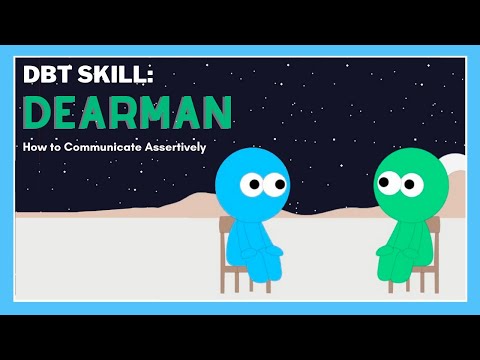
You know that feeling when you want to say something, but the words just get stuck? Yeah, it’s super frustrating.
Or maybe you’ve been in a conversation where you just didn’t feel heard. It’s like, no matter how much you tried, your voice was lost in the noise. Ugh!
Well, here’s the thing: expressing yourself assertively can change everything. Seriously!
It’s not about being pushy or rude. It’s about owning your thoughts and feelings, and letting others know where you stand—without feeling bad about it.
So let’s chat about assertive dialogue—the psychology behind it and how it can totally empower you to speak up and be heard! Sounds good?
Understanding the 3 C’s of Assertiveness: Communication, Confidence, and Control
When we talk about assertiveness, it’s super important to focus on the three C’s: **Communication**, **Confidence**, and **Control**. Let’s break these down!
Communication
Effective communication is all about expressing your thoughts and feelings clearly. But here’s the thing: it’s not just what you say; it’s how you say it. Think about a time when you felt upset but didn’t know how to express it. You might have fumbled your words or even said nothing at all. That’s the opposite of assertive communication!
Being assertive means using clear, direct language. Instead of saying, “Maybe we could do this,” try “I think we should do this.” It’s about taking ownership of your words and being honest about your needs. Body language plays a huge role too—maintaining eye contact and having an open posture says that you’re engaged in the conversation.
Confidence
Now, confidence is a big part of being assertive. It’s like the backbone of assertiveness! When you believe in yourself, others tend to respect you more. You know that feeling when you walk into a room feeling good about yourself? That vibes off you.
But here’s the kicker: confidence doesn’t mean shouting or being overly aggressive. It’s more like standing firm in your beliefs while still showing respect for others. If someone cuts you off in a meeting, instead of shrinking back or getting angry, calmly saying something like, “I’d like to finish my point” shows both confidence and respect.
Control
Control is often misunderstood when talking about assertiveness. It doesn’t mean controlling others; rather, it’s about managing your own emotions and reactions during conversations. Picture this: somebody criticizes your work instead of getting defensive, take a breath. You can respond with something like, “I appreciate your feedback; I’ll consider it.” This reaction reflects self-control which is essential for healthy discussions.
Controlling your responses creates space for constructive dialogue—it’s less about winning an argument and more about understanding each other better.
So basically, mastering these 3 C’s can be transformative! By improving your communication skills while boosting your confidence and maintaining control over your reactions, you set yourself up for healthier relationships—both personally and professionally.
Next time you’re faced with a difficult conversation or situation where assertiveness is key, remember these three components! They can pave the way for empowered expression that makes everyone feel heard and respected.
Mastering Assertiveness: The Four Essential Rules for Effective Communication
Being assertive isn’t just about speaking up; it’s about finding that sweet spot between being passive and aggressive. Not sure where to start? Here are some essential rules to help you communicate more effectively and confidently.
1. Know Your Rights
Before anything else, it’s important to understand that you have the right to express your thoughts, feelings, and needs. This means you’re entitled to your opinions, even if they differ from those around you. Like that time in class when your friend disagreed with the teacher’s view but still stayed respectful? That’s a good example of knowing your rights.
2. Use “I” Statements
«I» statements are a game changer! They help you express yourself without sounding accusatory. Instead of saying «You never listen,» try «I feel ignored when I’m not given a chance to speak.» It takes the pressure off the other person and helps them understand where you’re coming from. Seriously, this approach can turn heated discussions into calm conversations.
3. Keep Your Body Language in Check
Non-verbal cues can speak louder than words! If you’re saying you’re fine but crossing your arms or avoiding eye contact, people will pick up on that vibe. Stand tall and maintain eye contact; it shows confidence and openness. Think of how someone who is relaxed yet firm feels much more approachable than someone who seems tense or closed off.
4. Practice Active Listening
Assertiveness isn’t just about talking; it’s also about listening. When someone else is speaking, give them your full attention—nod, maintain eye contact, and respond appropriately. This shows respect for their viewpoint while also inviting an honest dialogue. You know how it feels when someone really listens? It creates a connection that’s hard to beat!
To wrap it all up: mastering assertiveness takes practice but it’s totally doable! The more you work on these essential rules, the more comfortable you’ll become expressing yourself honestly yet respectfully without stepping on anyone’s toes or losing your cool.
Mastering Assertive Communication: 7 Essential Actions for Effective Interaction
Mastering assertive communication is super important for really effective interaction. It’s about expressing your thoughts and feelings honestly and respectfully. If you’ve ever felt misunderstood or ignored, you’ll know how frustrating that can be. So, let’s break down some essential actions you can take to boost your assertiveness.
- Know Your Rights. First off, it’s key to understand that you have the right to express yourself. Whether it’s your opinion or needs, it matters! This doesn’t mean being rude; it means valuing your own voice.
- Practice Active Listening. This isn’t just about hearing words—it’s about understanding what the other person is saying. Try nodding or repeating back what they said. It shows that you respect their perspective while still bringing yours into the conversation.
- Use “I” Statements. Instead of saying “You make me feel…” try “I feel when…”. This way, you’re sharing your feelings without blaming anyone else. Like, if a friend keeps interrupting you, say something like, “I feel unheard when I can’t finish my thoughts.” It keeps the focus on how their actions affect **you**.
- Stay Calm. Maintaining a steady tone and pace helps convey confidence. If conversations get heated, take deep breaths before responding. You want to stay collected so your message isn’t lost in the heat of frustration.
- Set Boundaries. Don’t hesitate to let others know what you’re comfortable with. For example, if someone asks for favors too often and it’s wearing on you, just say something like, “I’m happy to help sometimes but I need time for myself too.” Respect is a two-way street.
- Avoid Over-Apologizing. While saying sorry is important when necessary, don’t overdo it! Apologizing excessively can undermine your confidence and make others question your assertion. Just be genuine when it calls for it.
- Seek Feedback. After having a tough conversation where you’ve been assertive, check in with friends or mentors who can provide constructive feedback on how things went. Reflecting together helps improve future interactions.
In real life scenarios—like when negotiating at work or discussing needs in personal relationships—practicing these steps helps create open dialogues where everyone feels valued and heard.
Assertive communication can be a game-changer in how you connect with others and express yourself meaningfully. You might find that not only do people respond better but those conversations become less stressful for both sides! Remember: practice makes perfect!
You know, assertive dialogue is one of those things that sounds super fancy but, in reality, it’s just about speaking up for yourself in a clear and respectful way. It’s like when you’re at a restaurant and your meal comes out wrong. Instead of just sitting there feeling frustrated or quietly complaining to your friends about it, you tell the waiter “Hey, I ordered this instead.” It can be tricky!
Think about it: how often do you find yourself in situations where you want to express your feelings or needs, but somehow hold back? Maybe it’s that meeting at work where someone keeps interrupting you. Or when a friend makes a joke that feels off, but you shrug it off instead of bringing it up. You might feel anxious or worried about how the other person will react. Yet, here’s the thing—assertive communication isn’t just beneficial for you; it helps everyone involved.
I remember a time when I was too shy to speak up during group projects in school. One time my group got feedback on our work, and it was pretty harsh. Inside I was like “Whoa, that’s not fair! We worked hard!” But instead of saying something, I let it slide. Fast forward a few weeks later; I finally mustered the courage to voice my thoughts during another project. It felt scary at first—but oh man, when I did speak up respectfully, the whole team started sharing their views too! It was like opening a floodgate of ideas.
Being assertive can transform conversations into real exchanges where everyone feels heard and valued. It’s all about balancing respect for yourself and respect for others. When you’re assertive, you’re not bulldozing over someone else’s feelings—you’re standing firm in your own right to have an opinion while inviting them to share theirs as well.
It’s really fascinating how this approach changes everything—your relationships get better because people know what to expect from you and how to communicate with you. Plus—and this is big—it helps reduce anxiety over being misunderstood or feeling ignored.
In many ways, assertiveness is like a muscle: the more you practice it, the stronger it gets. And sure, you’ll stumble sometimes—maybe you’ll say something awkwardly or feel your heart racing—but that’s part of learning! What matters is that you’re working on expressing yourself better each time.
So if you find yourself stuck between silence and confrontation next time? Think about asserting yourself in a kind way. It could turn an ordinary situation into something more meaningful and connected!