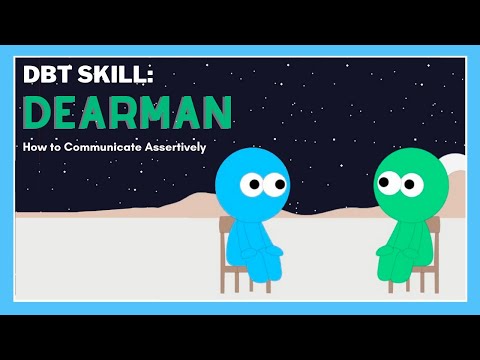
You know that feeling when you want to say something, but it just sort of sticks in your throat? Yeah, that’s awkward.
We all have those moments where we wish we could speak up but end up second-guessing ourselves.
But what if there was a way to get your point across without feeling like you’re walking on eggshells?
That’s where assertive communication comes in. It’s not about being pushy or aggressive.
It’s about owning your voice. Being clear and confident while still being respectful.
In this space, we’re diving into what it means to communicate assertively and why it really matters.
Trust me; this can change how you connect with others—for the better!
Mastering Assertiveness: The 4 Essential Rules for Effective Communication
Mastering assertiveness can feel a bit daunting at times, right? It’s all about how you communicate your needs, feelings, and opinions while respecting others. Seriously, finding that balance isn’t always easy. So, let’s break down the four essential rules that can help you navigate this whole assertive communication thing like a pro.
- Know Your Rights: First off, understand that you have the right to express yourself without feeling guilty. This means your thoughts and feelings are valid! Imagine you’re in a meeting where someone keeps interrupting you. You have every right to speak up and say something like, “I’d like to finish my point.” It sounds simple, but knowing you can voice your needs sets the stage for greater confidence.
- Use ‘I’ Statements: Instead of pointing fingers or sounding accusatory, try using ‘I’ statements. This way, you’re owning your feelings without blaming or shaming others. Let’s say your friend always shows up late. Rather than saying “You’re always late!”, try something like “I feel frustrated when plans get delayed.” It opens the dialogue instead of creating defensiveness!
- Stay Calm and Composed: Your tone and body language matter just as much as what you say. If you’re anxious or angry, it’ll show—like fidgeting or raising your voice too much. When I once had to confront a colleague about their missed deadlines, I took deep breaths and kept my voice steady. It made a huge difference! Staying calm helps keep the conversation productive.
- Practice Active Listening: Communication is a two-way street! Make sure to listen just as much as you speak. Show that you’re engaged by nodding or paraphrasing what the other person says. For instance, after someone shares their viewpoint with you about a project issue, say something like: “So what I hear is…” This makes them feel valued and respected.
The thing is? Assertiveness isn’t just about being direct; it’s also about ensuring others feel heard too. Everyone deserves respect in conversations—yourself included! So why not give these rules a try? You might be surprised at how empowering it feels to communicate assertively!
Mastering Assertive Communication: A Guide to the 5 Essential Steps
Mastering assertive communication is a game-changer for expressing yourself, getting your needs met, and feeling more confident in everyday interactions. You might think it’s just about speaking up, but it involves a whole lot of nuances. Let’s break down what it takes to be assertive in five essential steps.
1. Know Your Rights
The first step is understanding your rights. You have the right to express your feelings and opinions without fear of being belittled or ignored. For instance, you might remember a time when you wanted to voice your disagreement in a meeting but held back because you worried about what others would think. Acknowledging that your thoughts matter is crucial.
2. Understand Your Emotions
Next up, get in touch with what you’re feeling. Is it frustration? Anger? Or maybe confusion? It’s important to pinpoint these emotions before communicating them because they help shape the message you want to convey. Imagine having a conversation with a friend who feels hurt; if they articulate why clearly, it’s likely that you’ll understand better and respond appropriately.
3. Use “I” Statements
When you express yourself, frame things using “I” statements instead of “you” statements. This simple shift can change the tone of your message significantly! Instead of saying, “You make me feel ignored,” try saying, “I feel overlooked when my ideas aren’t acknowledged.” This way, you’re taking ownership of your feelings rather than blaming the other person.
4. Maintain Positive Body Language
Your body language speaks volumes! Standing tall, making eye contact (but not staring), and using open gestures can reinforce your message and show confidence. Think about how you’d feel if someone was hunched over while giving feedback—it doesn’t really inspire much trust or acknowledgment.
5. Set Boundaries
Finally, setting clear boundaries is vital for assertiveness. If someone constantly interrupts you during conversations, let them know how it affects you: “I appreciate sharing ideas; however, I need to express mine fully before we discuss.” Boundaries help others understand where you stand without shutting them down.
To wrap things up (not that we’re wrapping too tightly!), mastering assertive communication allows you to express your needs effectively without feeling guilty or aggressive. Give these steps a shot in daily life; you’ll find that empowering yourself gives others permission to do so as well!
Mastering Assertive Communication: 7 Key Actions for Effective Expression
Assertive communication is basically all about expressing yourself openly and honestly while respecting others. It’s like finding that sweet spot between being too passive and too aggressive. You want to say what you mean without stepping on toes, you know? Mastering this skill can really change the way you interact with people, whether it’s at work, at home, or just with friends.
First up, you gotta know your rights. This means understanding that you have the right to express your thoughts and feelings just as much as anyone else does. For example, if you’re in a meeting and you believe an idea isn’t good or doesn’t work for you, it’s perfectly okay to share that concern. Just remember: it’s not about being harsh; it’s about being clear.
Also, when communicating assertively, use “I” statements. This helps minimize defensiveness from others. Instead of saying “You always interrupt me,” try “I feel overlooked when I’m interrupted.” This shifts the focus from blame to expressing your personal experience. It’s like you’re inviting others into your feelings rather than making them feel attacked.
Next is active listening. If you’re gonna be assertive, you’ve also got to be a great listener. That means really paying attention when someone else is talking—nodding along or repeating back what they said can help show you’re engaged. It encourages better dialogue and makes everyone feel heard.
Don’t forget about body language. Seriously! Your non-verbal cues—like maintaining eye contact or standing tall—can say more than words sometimes. If you’re hunched over and mumbling, people might not take you seriously. So stand straight and use open gestures! It conveys confidence.
Another important action is to set boundaries. Knowing where your limits are helps define how much energy you’re willing to invest in relationships or tasks. For instance, if a friend keeps asking for favors that drain you emotionally or physically, it’s okay to say no sometimes! Setting boundaries can help not only protect your own well-being but also make your relationships healthier.
Being clear and concise is key; this ties into the next point: stay focused. When you express yourself clearly without rambling on about every little detail, it shows respect for everyone’s time—and yours too! Stick to the main points rather than going off on tangents because this keeps communication efficient.
Finally, practice makes perfect! The more often you engage in assertive communication, the easier it’ll become over time.. You could try role-playing with a friend or even speaking in front of a mirror. The more comfortable you feel voicing your thoughts clearly and confidently will boost not just your skills but your self-esteem too!
In short:
- Know your rights.
- Use «I» statements.
- Practice active listening.
- Pay attention to body language.
- Set boundaries.
- Stay focused.
- Practice regularly.
So yeah, mastering assertive communication isn’t just about being heard; it’s also about creating healthy interactions around us. By using these key actions as building blocks for your style of expression—you’ll get quite good at empowering both yourself and those around ya!
You know, there’s something really powerful about speaking up for yourself. It’s like finding your own voice when you’ve spent so long being quiet or holding back. Assertive communication, in a nutshell, is all about expressing your thoughts, feelings, and needs clearly and confidently without stepping on anyone else’s toes. But let me tell you—it can feel like a juggling act between being strong and being considerate.
I remember one time in college when I had a group project with some classmates. We all needed to pitch in our ideas, but there was this one guy who kept dominating the conversation. I was frustrated but didn’t want to rock the boat too much. Finally, after feeling unheard for way too long, I took a deep breath and said, “Hey! I think we should let everyone have a turn to share.” Honestly? It felt like I’d just climbed a mountain! The moment my words left my mouth, it was like a weight lifted off my shoulders. Sure enough, the group started listening more to each other.
That’s what assertive communication does—it can transform the dynamics around you. You’re not just blurting out opinions; it’s about being honest while also respecting others’ feelings and perspectives. It takes practice, though. Being assertive means knowing what you want to say and how to say it without sounding bossy or aggressive. You might fumble at first—like forgetting your point mid-sentence or raising your voice unintentionally—but that’s part of the learning curve.
And here’s the kicker: when you empower your voice this way, it doesn’t just help you; it encourages others too. It creates space for open conversations where everyone feels valued and heard! Think about how much better meetings would be if everyone spoke up more!
So yeah, finding that balance is key. Be honest but also be kind in how you share your thoughts—it makes all the difference in not just what people hear but how they feel about what you’re saying too!