You know those moments when you really want to connect, but something just holds you back? Yeah, that’s often what it feels like when we talk about avoidant attachment. It’s all about that emotional distance people sometimes create in relationships.
Imagine being in a cozy café with someone special, and instead of feeling close, there’s this invisible wall between you. Kinda frustrating, right?
Maybe you’ve felt this way yourself or noticed it in friends. It can be confusing! But don’t worry; we’re gonna break it down together. Let’s unpack what avoidant attachment really means and how it plays out in our lives.
Understanding Dismissive Avoidant Attachment: Strategies for Bridging Emotional Distance in Relationships
Understanding dismissive avoidant attachment can be a bit tricky, right? It’s like trying to catch smoke with your bare hands. People with this attachment style often seem emotionally distant or aloof. They tend to prioritize independence and may feel uncomfortable with too much intimacy. You might notice them shutting down during emotional conversations or avoiding deep connections altogether. So what does that mean for relationships?
Emotional distance is the hallmark of dismissive avoidant attachment. Imagine being in a relationship and feeling like you’re talking to a wall sometimes. You want to connect, but it feels like the other person is just not available for that kind of closeness. This can create frustration on both sides.
Now, let’s talk about some strategies you could use to bridge that gap:
- Be patient: Building trust takes time. If you’re dealing with someone who has a dismissive avoidant style, rushing things might push them further away.
- Communicate openly: Share your feelings without blaming them. Use “I” statements, like “I feel lonely when…” instead of “You never listen.” This way, it feels less confrontational.
- Avoid overwhelming them: Too much emotional intensity can scare someone with this style away. Try to keep things light initially while still being honest.
- Encourage vulnerability: Gently invite them to share their thoughts and feelings by asking open-ended questions—like “What do you think about this?” Show that you’re genuinely interested.
- Acknowledge their independence: Respect their need for space and autonomy. Letting them know it’s okay to have alone time can ease their anxiety around intimacy.
Consider this: there was once a couple where one partner had a dismissive avoidant attachment style. The other felt constantly shut out and worried they were doing something wrong. Instead of blaming each other, they decided to take it slow and practice open communication over coffee instead of heavy discussions at night when emotions ran high. Slowly but surely, they found common ground.
It’s important to remember that people with this attachment style often didn’t learn how to connect emotionally growing up; they may have faced early experiences where vulnerability was met with rejection or indifference. Their tendency to pull away isn’t personal; it’s just how they’ve learned to cope.
In summary, bridging emotional distance in relationships where one partner is dismissively avoidant involves patience, open communication, understanding their need for space while gently inviting deeper connections—and above all else, respect their journey toward emotional openness at their own pace! Emotional growth is a bit like gardening: sometimes you gotta water the seeds without digging them up every day!
Understanding the Signs of Love from an Avoidant Partner
So, you’re in a relationship with someone who seems to have an avoidant attachment style? It can feel pretty confusing at times, can’t it? Like, one moment they’re warm and affectionate, and the next they pull away. It’s a bit of a rollercoaster! Let’s dive into some signs of love from an avoidant partner so that you can make sense of their behavior.
1. Mixed Signals: Avoidant partners often express love in very subtle ways. They might struggle to openly show affection, leaving you to read between the lines. For example, they might offer support during tough times but shy away from deep conversations about feelings.
2. Acts of Service: Instead of saying “I love you,” they may show it by doing things for you, like fixing something around the house or running errands. You might think, “Wow, this is so sweet!” But don’t be surprised if they don’t want to talk about emotions afterward.
3. Need for Space: If your partner frequently needs time alone or pulls back when things get intense emotionally, it’s likely tied to their attachment style. They might need this space to process their feelings without feeling overwhelmed.
4. Occasional Vulnerability: While it’s rare, those moments when your partner does open up can be incredibly meaningful. Maybe they’ve shared a personal story from their past or expressed how much they appreciate you—but then they quickly shut down again!
5. Avoiding Conflict: An avoidant partner might steer clear of conflicts or difficult discussions about the relationship itself. If they’re not engaging in these talks with you, it doesn’t mean they don’t care; it’s more like they’re trying to protect themselves from potential emotional pain.
A quick example: Picture this—your partner sets aside time for a cozy dinner just because “they thought you’d like it.” It’s sweet! But when you bring up future plans together and their walls come crashing down again? That’s classic avoidant behavior.
6. Bonding Through Shared Activities: They often prefer expressing love through shared experiences instead of verbal affirmations. Going on hikes together or watching movies may be their way of building connection without feeling too exposed.
7. Inconsistent Availability: Sometimes they’ll seem super invested and then suddenly become less available—maybe because they’re overwhelmed by intimacy! Their commitment isn’t really in question; it’s just complicated for them.
The important takeaway here is that while avoidant partners may seem distant or cold at times, it’s not because they don’t care about you—it’s more like they’re wrestling with their own fears about getting too close emotionally.
If you’re navigating a relationship with an avoidant partner, patience and understanding are key! Give them the room they need while also setting boundaries around what works for you in terms of emotional expression.
Understanding Sexual Withdrawal in Avoidant Partners: Causes and Implications
When we talk about sexual withdrawal in avoidant partners, it often boils down to something deeper—attachment styles. If someone has an avoidant attachment style, they might find connecting emotionally and physically a bit tricky. Let’s break this down, alright?
Avoidant attachment develops in early childhood when caregivers are emotionally unavailable or inconsistent. Kids learn to cope by shutting down their feelings. This pattern can stick with them into adulthood, influencing how they handle relationships.
- Fear of intimacy: Avoidant individuals often pull back sexually because they’re scared of getting too close. It’s like self-preservation mode kicks in, and they panic at the thought of vulnerability.
- Pushing partners away: If an avoidant partner feels overwhelmed, they may withdraw from sexual intimacy to create space. It’s not always intentional; it’s just their way of coping with emotional closeness.
- Mismatched needs: Sometimes one partner craves connection while the other is built to keep a distance. This gap can lead to frustration and feelings of rejection on both sides.
- Communication breakdown: Avoidant folks might struggle to express their needs clearly. They think avoiding conflict is easier than addressing the discomfort head-on. So, instead of talking about problems, they quietly retreat.
You know how awkward it can be when someone pulls away? Imagine you’re trying to get closer, and suddenly there’s just… nothing. This emotional distance can feel pretty isolating for partners who need closeness.
The implications are significant too! Sexual withdrawal isn’t just about lack of physical intimacy; it can erode trust and connection over time. Partners might start feeling confused and question their worth or compatibility in the relationship.
- Emotional distress: The partner left hanging may experience anxiety or sadness due to a lack of physical affection or intimacy.
- Permanently affected relationships: Over time, if these cycles continue without resolution, partners may drift apart—even when love is there!
- Brittle communication patterns: If talking about feelings becomes a taboo topic, relationships can become stale or even toxic.
You’ve probably seen couples who start out strong but end up feeling like strangers because one person isn’t opening up emotionally—or physically either! That emotional distance puts stress on both partners.
If you find yourself dealing with an avoidant partner’s sexual withdrawal, patience is key but so is communication! Try gently bringing up your feelings without blame—like “I feel distant lately” instead of “You always push me away.” The goal here? To open doors for discussions without triggering that ‘run away’ instinct!
The good news is that awareness can change things! When both partners recognize attachment styles at play, they have a shot at fostering understanding and building intimacy.
You don’t have to fix everything overnight; just take baby steps toward being more open together!
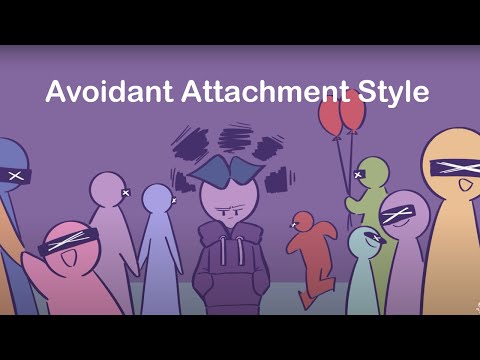
So, avoidant attachment, huh? It’s one of those things that can really throw a wrench into relationships. If you’ve ever felt like someone was just emotionally miles away, even when they’re physically right next to you, that’s the essence of this attachment style. It’s like having a partner who loves you but also puts up wall after wall.
I remember a friend telling me about their relationship. They were super into this person, but whenever things got too close or emotional, their partner would back off—what a bummer. It left my friend feeling confused and kind of lonely, even when they were together. Can you imagine being all in but feeling like they’re on some kind of emotional island?
Avoidant attachment usually stems from early experiences—maybe kids learn to rely on themselves more than others. So as adults, they might struggle with intimacy because it feels kinda risky or overwhelming. You know how sometimes people don’t want to be too vulnerable? That fear just makes them distance themselves more.
It’s not that they don’t want the connection; it’s more like they’re trying to protect themselves from getting hurt—or from losing their sense of independence. But here’s the kicker: that distance can make everything feel so much harder for both sides. For partners trying to get closer, it can be pretty frustrating when that emotional door keeps slamming shut.
So, how do people navigate this tricky situation? Well, communication is key! Just talking openly about feelings—the fears and insecurities—can help break down some of those walls over time. It’s all about building trust and creating a safe space for vulnerability without putting pressure on each other.
It takes time and patience for sure—you can’t just wave a magic wand and fix everything overnight! But understanding why someone pulls away can make it easier to hold space for them while also taking care of your own needs.
At the end of the day, relationships are complicated enough without added barriers. Recognizing these patterns in ourselves—or in those we care about—helps us foster healthier connections instead of letting emotional distance drive us apart. And yeah, that’s definitely something worth working toward!