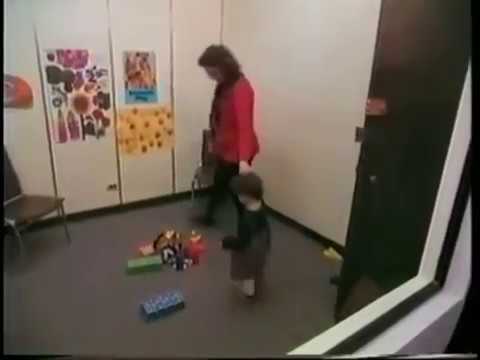
You know how sometimes kids just act, well, a bit all over the place with their feelings? Yeah, that’s what we’re diving into today. It’s called disorganized attachment.
Imagine a kid who wants to run to their parent but also seems super confused and scared. It’s like they’re caught in this emotional tug-of-war. Pretty wild stuff, right?
This kind of attachment usually pops up when there’s chaos or unpredictability at home. Stressful environments can totally mess with how kids connect with those around them.
So, what does all this mean for their development and relationships later on? Let’s unpack it together!
Identifying Signs of Disorganized Attachment in Children: Key Indicators and Insights
Disorganized attachment in children is, like, a pretty complex topic. It happens when kids don’t have a clear way to connect with their caregivers. Imagine a child who feels anxious and confused about their relationship with an adult—they might swing between wanting comfort and pushing the adult away. It’s really tough to watch.
When we talk about **signs of disorganized attachment**, it helps to break down some key indicators. These can show up in various behaviors that you might notice in kids:
- Inconsistent Behavior: You’ll often see kids who act one way one minute and then switch completely the next. For instance, they might run to a caregiver for comfort but then suddenly cry and walk away.
- Avoidance of Eye Contact: Many children with disorganized attachment will avoid looking at adults. It’s like they want closeness but are also scared it’ll hurt them.
- Fearful Reactions: Kids may show signs of fear towards their caregiver, even in typical situations where they should feel safe. You know, like flinching or ducking away when someone reaches out.
- Disorientation: Sometimes children seem really lost or confused. They might have trouble organizing their thoughts or could freeze up unexpectedly during interactions.
- Lack of Emotional Regulation: This means they struggle to manage feelings effectively—like having meltdowns over tiny frustrations or not knowing how to express sadness appropriately.
You can imagine these signs creating a real sense of turmoil for both the child and their caregivers. For example, maybe you’ve seen a child who goes from laughing hysterically on the playground to sitting silently, looking withdrawn just moments later. This emotional whiplash can be exhausting for everyone involved!
The roots of disorganized attachment often lie in chaotic or frightening home environments. Let’s say there’s domestic violence, neglect, or even inconsistent caregiving—like a parent who’s loving one day but angry the next—it totally shakes a child’s sense of safety and trust.
If you’re wondering why this matters so much, it’s because disorganized attachment can lead to some serious long-term effects on mental health down the line. Kids with this pattern may struggle with relationships as adults, face anxiety issues, or have problems regulating emotions overall.
The good news? Awareness is the first step towards making things better! If you notice these signs in any kiddos around you, encouraging open communication about feelings and providing consistent support can really help them start forming healthier attachments.
So remember: spotting those indicators is crucial for lending support where it’s needed most!
Transforming Relationships: A Comprehensive Guide to Healing Disorganized Attachment Styles
Transforming Relationships: Healing Disorganized Attachment Styles
Disorganized attachment is a term that might sound complicated, but it really boils down to how some kids grow up feeling confused about their relationships. Picture this: a child reaching out for comfort from a caregiver who then behaves unpredictably—sometimes loving, sometimes frightening. That’s the essence of disorganized attachment. It leaves kids all mixed up about trust and safety.
But what does this mean for adult relationships? Well, folks with disorganized attachment often experience challenges in forming healthy connections. You might notice some patterns, like intense emotional swings or difficulty getting close to others without feeling anxious or overwhelmed. That can feel pretty isolating!
- Recognizing Patterns: First off, it’s crucial to see how your past affects your present. Reflect on your relationships. Do you often feel abandoned or clingy? Acknowledging these feelings is the first step toward change.
- Building Safety: Creating a sense of safety in relationships is key. This can be through open communication and establishing boundaries—make sure both you and the other person feel comfortable sharing feelings.
- Emotional Regulation: Learn skills for managing emotions better. Techniques like deep breathing or mindfulness can help when anxiety kicks in.
- Seeking Support: Talking things through with a friend or therapist can be super helpful. They can provide perspective and understanding that might be hard to find on your own.
Here’s something you might relate to: imagine you’re at a party, and you spot someone who seems interesting. Your heart races when you think about talking to them, but then doubt creeps in: “What if they don’t like me?” This back-and-forth can stem from those early experiences tied to disorganized attachment.
Another important aspect is understanding the concept of earned secure attachment. This means even if you started with disorganized patterns, it’s possible to develop healthier ways of relating over time. It takes work and patience—seriously! But by being conscious of your behaviors and actively working toward healthier connections, you’re already taking steps in the right direction.
And remember, healing isn’t linear—it’ll have its ups and downs. Celebrate every small victory along the way! Over time, you’ll notice shifts in how you relate to others and yourself.
In summary, transforming relationships affected by disorganized attachment styles involves recognizing personal patterns, fostering emotional safety, regulating emotions effectively, seeking support when needed, and embracing the possibility of building healthier connections over time.
Understanding Disorganized Attachment Style: Insights from Main and Solomon’s Research
Understanding disorganized attachment might feel a bit complex at first, but breaking it down helps make sense of it. This attachment style, researched by Mary Main and Judith Solomon, really sheds light on how early experiences shape our emotional landscape.
What is Disorganized Attachment?
It’s a type of insecure attachment that often develops in children who have experienced inconsistent or frightening caregiving. These kids might feel confused about their relationship with their caregivers. They want comfort but are scared of it at the same time. Imagine a child reaching out for a hug and then flinching because they’re not sure what kind of touch they’re going to get. That’s disorganized attachment in action.
Characteristics of Disorganized Attachment
So how can you spot disorganized attachment? Here are some signs:
- Contradictory behaviors: A child may approach a caregiver for comfort but suddenly run away or freeze in fear.
- Lack of clear strategy: Unlike securely attached kids who know when to seek help, these kids show confusion about how to get their needs met.
- Dissociation: Some children might seem disconnected from reality when faced with stress, almost zoning out during interactions.
The Role of Caregivers
The environment really plays a huge part here. Caregivers who are unpredictable—like those who might be emotionally volatile or neglectful—can create this chaotic dynamic. Picture a kid whose parent yells one moment and offers affection the next; that leaves the kid unsure about what they can expect.
Long-Term Effects
As these kids grow up, they often carry this attachment style into adulthood. You could see behaviors like difficulty managing emotions or trouble forming stable relationships. It’s like carrying around an emotional backpack full of confusion and fear—really heavy stuff!
Let’s say someone with this background enters a romantic relationship. They might swing between clinging too tightly to their partner and pushing them away at the slightest hint of conflict. That fear of being hurt can be overwhelming.
The Research Behind It
Main and Solomon’s work on disorganized attachment really emphasizes how critical early interactions are for emotional development. Their research showed that these patterns can come from traumatic backgrounds, including abuse or loss.
They identified specific behaviors during the «Strange Situation» experiment—a test where kids interact with caregivers and strangers in controlled environments—to illustrate how disorganized attachments manifest in real life.
Anecdote Time!
Okay, picture this: you’ve got a kid named Timmy who is super bright but just can’t seem to connect with his mom consistently. One moment she’s showering him with praise, and the next she’s having a breakdown over something trivial. Timmy feels like he’s walking on eggshells around her; not knowing whether she’ll give him love or scold him makes him anxious all the time. As he grows up, these feelings show up in friendships where he often bounces between being overly clingy or completely distant—which makes everything so much harder!
So yeah, understanding disorganized attachment gives us valuable insights into human behavior and relationships! It’s like noticing the roots that grow beneath us—they shape everything above ground but aren’t always visible at first glance. Knowing more about this can help create pathways for healing—whether through therapy or just better understanding ourselves and those around us.
You know, attachment styles are super intriguing when you really dig into how they shape our lives, especially in childhood. Disorganized attachment is one of those styles that comes up a lot when we’re talking about how kids develop emotional and relational skills. It’s kind of like a recipe for confusion, not just for the kid but for everyone around them.
So, imagine a little one who doesn’t know if they should run to their caregiver for comfort or if they should back away because that caregiver is unpredictable or even frightening sometimes. It’s like being stuck between wanting to be close but feeling scared at the same time. You can almost feel the tension there, right? It’s heartbreaking.
I remember a friend telling me about their niece, who would cling to her mom one moment and then scream when her mom tried to pick her up. It was so baffling to see! This little girl didn’t have that secure base that most kids need to explore the world confidently. Instead, she ended up feeling lost and anxious, like she was always on high alert.
Disorganized attachment usually stems from caregivers who might have their own unresolved trauma or inconsistent behaviors. So, it creates a chaotic environment where the child can’t figure out what’s safe or what’s not. Basically, instead of learning how to rely on others and build trust, they’re learning that relationships can be scary and unpredictable.
Kids with this style often struggle with emotional regulation as they grow up—like having a hard time figuring out what emotions mean or how to handle them. Sometimes you’ll find these adults dealing with anxiety or relationship issues later in life because of those early experiences. It’s kind of sad when you think about it; it carries over into every relationship they have.
But here’s the thing: understanding disorganized attachment opens doors for healing and growth. Once you get why someone is reacting a certain way—like pushing people away while desperately wanting connection—it helps both them and others grasp what’s going on beneath the surface.
You might see these patterns pop up in your own life or in folks around you without even realizing it right away! So paying attention can help foster better connections—because at the end of the day, everyone just wants to feel understood and safe, don’t you think?