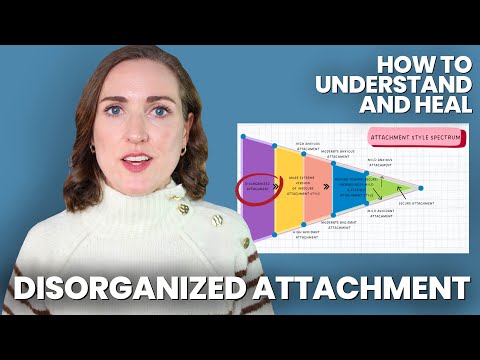
You know that feeling when you want to get close to someone, but something just holds you back? Yeah, that’s real.
It’s like being in a tug of war with your heart. You crave connection but fear it at the same time. This is where the fearful avoidant attachment style comes into play.
So, what is it exactly? Basically, it’s a mix of wanting love but worrying about getting hurt. A bit of a rollercoaster, isn’t it?
In this chat about attachment styles, we’ll unravel what that looks like in real life. Seriously, understanding this can really change how you see yourself and your relationships.
Let’s dive into those tangled feelings together!
Understanding Fearful Avoidant Triggers: Insights and Strategies for Awareness
Let’s talk about fearful avoidant attachment. This style can be quite a ride for those who experience it. Imagine feeling like you want to connect with others but also being terrified of them getting too close. It’s like wanting to hug someone but being afraid of getting burned.
So, what triggers this fear? Well, it often stems from past experiences, especially in childhood. If you grew up in an environment where love was paired with unpredictability or fear, your brain learns to associate closeness with danger. You know how when you touch something hot and pull away fast? That’s kind of what happens emotionally—like a reflex.
There are a few common triggers that can send a person with a fearful avoidant attachment style into a spiral:
- Intimacy: Being close to someone can make them feel vulnerable. The fear here is real!
- Conflict: Even small disagreements can feel overwhelming and might trigger the urge to withdraw.
- Rejection: Just the thought of not being accepted can send them packing emotionally.
You might be wondering why these triggers have such a strong hold on someone. Well, it’s all tied back to their internal narrative—the story they tell themselves based on past experiences. For instance, if someone learned early on that love comes with pain or abandonment, they’ll likely expect the same in future relationships.
Now let’s talk about some ways to become more aware of these triggers and hopefully manage them better. Here are some insights that could help:
- Acknowledge Emotions: Seriously! Just recognizing anxiety or discomfort when it pops up can be super helpful.
- Create Safe Spaces: Surrounding yourself with understanding people makes those moments less scary. You’d be amazed at how comforting that can feel.
- Practice Mindfulness: Techniques like meditation or deep breathing help create distance between your thoughts and feelings—less reacting and more observing!
An example would be if you’re out with friends and start feeling anxious because somebody wants to get closer emotionally; instead of running away or shutting down, try pausing for just a second. Take note of how you feel and then maybe share that you’re feeling uncomfortable instead of clamming up.
The journey isn’t simple; it takes time and patience to untangle the fears built from years of experiences. But little by little, becoming aware is crucial—awareness leads to understanding, which opens doors for healthier relationships down the road.
If this resonates with you or someone you know, remember: growth doesn’t happen overnight! It’s all about taking small steps without pressure so that eventually those fears don’t feel as overwhelming anymore.
The thing is, we all want connection at some level, right? Even if it feels terrifying sometimes! Understanding where those feelings come from is your first step towards making peace with them—and who knows what amazing connections could come after?
Understanding Relationships: Navigating Love with a Fearful Avoidant Woman
Relationships can be a rollercoaster, you know? Especially when it comes to understanding different attachment styles. One style that can be particularly tricky is the **fearful avoidant attachment style**. It’s like trying to navigate a love map where the roads keep changing. If you’re getting close to someone who identifies with this style, it helps to know what’s going on under the surface.
The thing is, a person with a fearful avoidant attachment often has mixed feelings about intimacy. On one hand, they crave connection and emotional closeness; on the other, they fear vulnerability and potential rejection. It’s like wanting to jump into a pool while also worrying about how cold the water might be! This push-pull dynamic can be confusing for both partners.
Here are some key points about this attachment style:
- Background influences: Sometimes, past experiences—like trauma or neglect—can lead someone to develop this fearful avoidant style. They have learned that love can hurt, so their instinct is to protect themselves.
- Mixed signals: You might notice them being super affectionate one moment and then withdrawing the next. It’s not that they don’t care; it’s just their way of coping with the anxiety of being close.
- Fear of rejection: This fear often leads them to self-sabotage relationships before things get too serious. So if you see them pulling away when things get intense, don’t take it personally.
- Communication challenges: They may struggle with opening up about their feelings or discussing issues in the relationship because confronting emotions can feel overwhelming.
Now, imagine this: You’re starting to date someone who seems perfect at first but then suddenly turns distant as soon as you talk about future plans together. You may feel rejected or confused—totally understandable! But what’s happening might not be a reflection of your worth; it could simply stem from their fear that intimacy may lead to pain.
To navigate these tricky waters, patience is key! Try creating an environment where they feel safe expressing themselves without judgment. Encourage open conversations about feelings but do so gently—like having coffee on a lazy Sunday morning rather than demanding a deep talk over dinner.
Also, remember that establishing trust takes time. Celebrate small victories when your partner shares something personal or lets you in just a bit more—this shows progress!
If you think about how frustrating relationships can feel sometimes, especially with someone who has this type of attachment style, it makes sense why understanding each other is so crucial. Love doesn’t always come easy for everyone.
So as you work through challenges together, keep an open mind and heart. The more awareness you have around these dynamics—the better equipped you’ll be to build something meaningful together!
Understanding the Causes of Fearful Avoidant Attachment: Insights and Implications
Alright, let’s chat about fearful avoidant attachment. It sounds complicated, but hang in there. Fearful avoidant attachment is one of those styles that can really mess with how you connect with others.
So, what’s the deal? Basically, this attachment style occurs when someone has a mix of wanting closeness but also fearing it. It’s like being drawn to a campfire but being terrified of getting burned. This inner conflict often comes from past experiences, especially in childhood.
- Early Relationships: Kids who grow up in environments where they feel unsafe or neglected can develop this style. If a caregiver was inconsistent—sometimes loving and other times distant or even abusive—it creates confusion. You might long for comfort but also expect hurt.
- Fear of Rejection: Many with this attachment style have an exaggerated fear of being rejected or abandoned. They might think every slight could mean the end of a relationship. So, they hold back, thinking that if they don’t get too close, they won’t get hurt.
- Lack of Trust: Trust issues are pretty common here. If you’ve been let down before, trusting someone new feels like stepping onto thin ice: it could crack at any moment!
- Low Self-Esteem: This one’s big too! Often, those with fearful avoidant attachment don’t believe they’re worthy of love or connection. This mindset keeps them at arm’s length from others because they think “Why would someone want me?”
You know how when you’re scared to jump into a pool? You really want to swim but just can’t take that leap? That’s what this attachment style feels like in relationships—wanting to dive into intimacy while feeling paralyzed by fear.
The implications are significant. This attachment style can lead to tumultuous relationships characterized by push-pull dynamics. You might find yourself pulling away when someone gets too close or sabotaging relationships before noticing any red flags.
This isn’t just about romantic partnerships either! Friendships and family ties can be impacted too; the patterns tend to seep into all areas of life because it’s about how you see connection as a whole.
The good news? While cultivating secure attachments takes time and effort, understanding these roots is the first step toward making positive changes! Recognizing these patterns allows for growth and better relationships over time.
If you identify with any part of this, don’t worry—it’s totally possible to work on these patterns and move toward healthier connections!
So, let’s talk about fearful avoidant attachment style. You might’ve heard a bit about attachment styles before, right? They’re basically how we relate to others based on our early experiences with caregivers. Now, the fearful avoidant style is kind of interesting and a bit tricky.
Imagine someone who really wants to connect with others but is super scared of getting hurt. That’s the essence of this attachment style. They often have a conflicting mix of longing for intimacy but also running away from it at the first sign of vulnerability. It’s like being at a party and wanting to dance but feeling terrified someone might step on your toes if you do.
Take my friend Alex, for example. He grew up in a pretty chaotic household where love felt conditional—like you had to earn it somehow. He really craved connection, but whenever he got close to someone, panic would kick in. It was tough for him because he’d start pushing people away just when they were starting to get close. And it wasn’t because he didn’t care; it was just that fear had become his default reaction.
People with this attachment style often have mixed signals going on in relationships. One moment they might be all in, sharing their thoughts and feelings, then suddenly retreating when things start feeling serious or real. It’s confusing—both for them and the folks trying to connect with them. They might avoid deep emotional discussions or even simple commitments because deep down they’re scared of rejection or abandonment.
But here’s the kicker: recognizing this pattern is key! Understanding why you feel that itch to pull away can help you navigate those feelings better than just ignoring them—or worse, perpetuating cycles that lead nowhere good.
The thing is, it’s possible to shift away from this approach over time with self-awareness and support—like therapy or solid friendships that allow for open communication without judgment. But acknowledging that there’s fear behind those walls can be such a big step in feeling free enough to connect without panicking so much.
So yeah, while understanding fearful avoidant attachment can feel like peeling an onion (lots of layers!), it really opens up conversations about vulnerability and trust—and honestly makes relationships way more meaningful when both sides are willing to meet halfway.