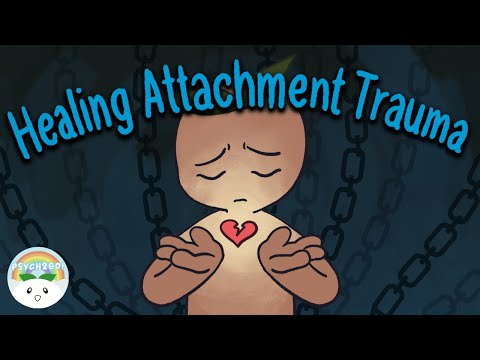
You know how sometimes we just click with people? Like, there’s this invisible thread that pulls us together. But then, there are those moments when that connection gets tangled up.
Attachment trauma is kind of like that. It messes with our ability to bond and feel secure in our relationships. And honestly, it can leave you feeling pretty lost.
Let’s say you had a rough childhood or a relationship that went south. It can stick with you, like a pesky little shadow always lurking around, affecting how you interact with the world.
But here’s the good news—healing is totally possible! You can untangle those threads and find your way back to healthier connections. So buckle up, because getting through this stuff might just be the start of something amazing in your emotional journey!
Understanding and Healing Attachment Wounds: A Comprehensive Guide in PDF Format
Understanding Attachment Wounds
Let’s talk about attachment wounds—those deep emotional scars that can impact how you connect with others. Think of your early experiences with caregivers, like your parents or guardians. These interactions shape the way you form bonds later in life. If things went well, you likely developed a secure attachment. But when those relationships were inconsistent, chaotic, or neglectful? That can lead to some serious attachment wounds.
What Are Attachment Styles?
Your attachment style plays a big role in how you handle relationships. There are four main ones:
- Secure: You feel comfortable with intimacy and independence.
- Avoidant: You tend to distance yourself from close relationships.
- Anxious: You often worry about your partner’s love for you.
- Disorganized: You might feel both drawn to and fearful of intimacy.
How do you find out which one fits you best? Just pay attention to your reactions when things get emotional or stressful in relationships.
The Effects of Attachment Trauma
If you’ve got attachment wounds, they can show up in various ways. Maybe you’re overly clingy, have trust issues, or struggle with feeling abandoned. It’s like carrying this invisible backpack of fears and insecurities that weigh you down every time you try to connect with someone.
For instance, think about a friend who gets anxious whenever their partner is late responding to texts. This friend might be recalling past experiences where they felt ignored or unworthy of love—this is their body reacting based on those old wounds.
The Healing Journey
Healing from these wounds isn’t quick; it takes time and effort. Here are a few steps that can guide the process:
- Acknowledge Your Feelings: Recognizing that you’re hurt is key. It’s okay to feel what you’re feeling!
- Therapy: Talking to someone who gets it can be super helpful. Therapists can provide tools tailored for your specific situation.
- Self-Compassion: Treat yourself kindly! Acknowledge that healing is messy and not linear.
- Create Healthy Boundaries: Learning what feels right for you in relationships helps create safety.
Each step is personal; what works for one person might not work for another.
The Importance of Relationships
It’s also crucial to surround yourself with supportive people during this journey. Those who understand your background will empathize without judgment. Building positive connections helps you rewrite old narratives about love and belonging.
Think back to a moment when someone showed up for you exactly when you needed them—those moments create positive reinforcement that we all deserve!
A Final Note on Moving Forward
Remember, healing isn’t just about fixing past wounds; it’s also about allowing yourself to thrive in the present and future! Embrace change as it comes and keep seeking growth opportunities.
In summary, understanding attachment wounds involves digging into how early experiences affect your current relationships while working through healing techniques at your own pace—because let’s face it: everybody deserves healthy connections without all the extra baggage holding them back!
Understanding and Healing Attachment Trauma: Strategies for Recovery and Growth
Attachment trauma happens when our early relationships—often with caregivers—are inconsistent or downright harmful. So, imagine you’re a kid and your parents are either very loving one minute and distant the next. You might not know what to expect from them. This creates a sense of insecurity, right? It can shape how you connect with others throughout your life.
Now, here’s the thing: attachment styles are often formed during childhood. There are four main types: secure, anxious, avoidant, and disorganized. Each style reflects how we relate to others based on those early experiences.
If someone grows up with inconsistent love, they might develop an anxious attachment style. They crave closeness but constantly fear abandonment. Picture this: you’re dating someone new and find yourself over-analyzing every text they send or don’t send. You might feel like you’re on an emotional rollercoaster!
On the other hand, someone with an avoidant attachment style may keep others at arm’s length. They often prefer independence over intimacy and might shy away from deep connections because they fear getting hurt.
So what do you do if you’re feeling the effects of attachment trauma? Healing is possible! Here are some strategies for recovery:
- Acknowledge the trauma: Recognizing that attachment issues stem from past relationships is a significant first step.
- Understand your attachment style: Take a moment to reflect on how you approach relationships now. This self-awareness can guide your healing process.
- Create safe spaces: Surround yourself with people who offer consistent support and understanding so you can practice forming secure connections.
- Set boundaries: Learning when to say no or take space can help protect your mental health while navigating relationships.
- Practice self-compassion: Treat yourself with kindness. Understand that it’s okay to struggle while you’re healing; everyone moves at their own pace.
- Seek professional help: If things get too overwhelming, talking to a therapist who specializes in traumatic experiences can be super beneficial.
Let’s talk about some real-life examples for better clarity! Imagine Sarah; she had a rough upbringing where her parents were either angry or neglectful. As an adult, she realized she was always seeking validation from friends and partners but felt unworthy of love when it didn’t come easily.
Through therapy, Sarah learned about her anxious tendencies and started practicing self-soothing techniques whenever feelings of insecurity kicked in—like journaling her thoughts or taking time for herself when things felt too intense.
Then there’s Tom; he grew up in an environment where showing emotions was seen as weakness. Naturally, he built walls around himself in his adult relationships. After recognizing his avoidant tendencies, he began opening up gradually to trusted friends about his fears and vulnerabilities. Look at him go!
In essence, recovering from attachment trauma is less about “fixing” yourself and more about understanding deeply ingrained patterns that shaped how you connect with others. Each small step forward matters in this journey of growth! You got this!
Overcoming Attachment Trauma in Adults: Strategies for Healing and Growth
It’s pretty wild how attachment trauma can really mess with us as adults, right? I mean, think about it: if your early relationships didn’t quite hit the mark—maybe your caregivers were inconsistent or emotionally unavailable—it sticks with you. It creates a whole set of patterns in how you connect with others later on. Many people don’t even realize it until something triggers those feelings.
So, what exactly is attachment trauma? Well, it’s when those early experiences lead to difficulties in forming healthy relationships. You might find yourself clinging too tightly to people or maybe pushing them away entirely—neither are fun, are they? And believe me, it’s common. But there are ways to heal from this and grow.
First off, awareness is key. You’ll want to start noticing your patterns in relationships. Are you always afraid of being abandoned? Or do you shut down when things get too close? Write down these feelings whenever they come up; it can really help you see the bigger picture.
Another important step is self-compassion. Seriously, give yourself a break! It’s not your fault that you went through tough stuff. When those critical voices pop up in your head telling you that you’re unworthy or flawed because of your past—just challenge them! Think about what you’d say to a friend going through the same thing.
Now let’s talk about building safe relationships. Find people who respect your boundaries and make you feel valued. Spend time with friends who lift you rather than drain you. When you’re around supportive folks, it makes a world of difference. Experienced this yourself? Like having that one buddy who just gets it; it feels amazing!
Also, consider exploring therapy. Therapists can help guide you through understanding those past traumas and how they show up today. They can offer techniques tailored for healing; think talking things out and practicing new coping strategies together.
Mindfulness is another tool in the kit too! It helps ground you in the present moment instead of drifting back into old fears from the past. Just taking time each day to focus on your breath or noticing what’s around you can calm all that anxiety bubbling inside.
You might also benefit from journaling. Expressing thoughts and feelings on paper allows for reflection without judgment. Sometimes just writing down what happened during tough interactions opens doors to self-discovery.
Lastly, remember that healing isn’t linear—it’s more like climbing a hill with some ups and downs along the way! Celebrate every little victory along the journey; even small moments count!
In summary, overcoming attachment trauma is totally possible with awareness, self-compassion, supportive relationships, professional help if needed, mindfulness practices, reflective journaling—and above all else—a commitment to growth and healing over time! So yeah—you got this!
Healing from attachment trauma can feel like a long, winding road, you know? It’s not just about understanding what happened in the past; it’s also about how those experiences shape your current relationships and emotional landscape.
Think about a time when you felt really close to someone—like they were your person. That connection feels safe and warm, right? But if you’ve been through attachment trauma, that feeling can turn into something more complicated. You might find yourself feeling anxious when people get too close or pushing them away when they try to show love. I remember a friend of mine who struggled with this after a tough upbringing. Every time someone wanted to be there for her, she’d freak out and ghost them! It was heartbreaking to watch.
The tricky part is that these patterns often come from deep-rooted feelings of fear and betrayal. Like your heart has built walls over time. You want to connect, but there’s this nagging voice inside saying, «What if they leave? What if I get hurt again?» That’s where the healing journey comes in.
You might start by recognizing these patterns—acknowledging that they’re there isn’t easy. It helps to talk it out with someone who gets it—maybe a friend or even in a group setting. Just the act of sharing can lighten the load, like peeling back layers of old wounds while letting fresh air in.
Another vital piece is self-compassion. This means treating yourself with kindness instead of harsh judgment when those old patterns show up again. Each step toward healing is like unlearning habits that no longer serve you and learning new ways to connect and trust again.
Along the way, it’s super important to build healthy relationships based on trust and open communication. These connections can be life-changing because they remind you that vulnerability isn’t scary; rather it can lead to meaningful bonds.
So yeah, healing from attachment trauma isn’t a one-time deal; it’s an ongoing process filled with ups and downs. But little by little, you start noticing those walls come down and moments of real connection peek through! And that’s where true psychological wellbeing shines through—the realization that you’re not alone on this journey anymore!