Hey there! So, let’s chat about inattentive ADHD. Sounds a bit heavy, right? But hang on, it’s really not all that scary.
You know those days when you just can’t focus? Like your mind is wandering off to another planet? That’s kinda what it feels like for folks with inattentive ADHD. It’s not just about being a little forgetful or spacey. There’s way more going on behind the scenes.
Imagine being in a room full of noise, and you’re trying to listen to your favorite song. Frustrating, huh? That’s how some people feel trying to concentrate on tasks.
But here’s the thing—understanding this condition can help us all get a clearer picture of the struggles and strengths that come with it. It’s like peeking into someone else’s world!
So, let’s break it down together and see what it really means to live with inattentive ADHD. Sound good?
Comprehensive Guide to Inattentive ADHD Testing: Understanding Symptoms and Assessment Methods
So, inattentive ADHD is one of those things that can really trip people up. You know, it’s not just about bouncing off walls or being super hyper; it’s more about a wandering mind and difficulty focusing. This type affects kids and adults, and understanding it is key.
First off, let’s look at some *common symptoms* you might notice if someone has inattentive ADHD:
- Difficulty sustaining attention on tasks
- Struggles with organizing activities or tasks
- Tendency to forget daily activities or responsibilities
- Easily distracted by extraneous stimuli
- Avoidance of tasks that require prolonged mental effort
Imagine someone in class trying to take notes but then zones out halfway through the lecture. They might start thinking about what they’ll have for lunch instead of following along. This can lead to missing important information!
Now, speaking of assessment methods, testing for inattentive ADHD isn’t just a quick quiz you can find online. It typically involves a few different steps to get the full picture.
1. Clinical Interview: The first step usually involves talking with a healthcare professional who knows their stuff about ADHD. They’ll ask questions about behavior and focus issues—things like how you handle tasks at work or school, or even personal relationships.
2. Behavior Rating Scales: These are tools parents, teachers, or even self-reporting scales that help measure symptoms against typical behavior. They help create a comprehensive view that’s not just based on one person’s opinion.
3. Observation: Sometimes professionals observe you in different settings—like at school or home—to see how attentiveness varies depending on the environment.
4. Cognitive Testing: This might include memory tests or attention exercises aimed at gauging your cognitive processing speed.
These assessments together help paint the complete picture of what’s going on in someone’s mind and behavior patterns.
The tricky part is that inattentive ADHD can sometimes look like normal forgetfulness or daydreaming—especially in kids who might be naturally curious and easily distracted! So professionals dive deep into history and context concerning emotional well-being and daily functioning.
Let’s say you’re working with a child who’s bright but struggles with completing homework assignments because they’re always getting sidetracked by anything from doodling on their paper to staring out the window! It’s important for caregivers to realize they aren’t just being lazy; there’s often more underneath that needs attention.
In summary, testing for inattentive ADHD involves understanding the symptoms through various methods while looking at overall behavior across different settings. Identifying these patterns can lead to helpful strategies for managing the condition effectively!
Understanding Inattentive ADHD Symptoms: Key Signs and Insights for Better Management
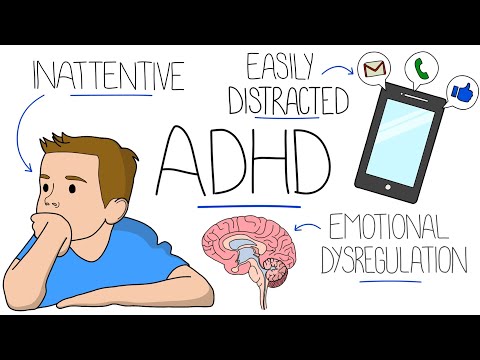
If you’re trying to wrap your head around inattentive ADHD, you’re not alone. It’s a bit tricky because it often flies under the radar. Unlike the hyperactive type, people with inattentive ADHD might not always be disruptive; they can blend in easily. But there are some classic signs to look out for.
First off, let’s talk about focus. People with this type of ADHD often struggle to pay attention to details. You might find yourself making careless mistakes in schoolwork or missing little things in conversations. Like, maybe you read a whole paragraph but forgot what it was about? Yeah, that happens a lot.
Organizational skills can also take a hit. It’s like having a messy room—stuff just piles up. You might frequently misplace items, struggle to keep track of deadlines, or feel overwhelmed by tasks that seem easy for others. Ever had that moment where your notes look like a secret code? Totally relatable.
Then there’s motivation. Tasks can feel monumental and boring at the same time. It’s like staring at a mountain when you’re really just supposed to climb a hill! You may put off starting projects or avoid them entirely because they feel too daunting or tedious.
Another key sign is forgetfulness. Imagine having an important appointment but forgetting it completely because you got sidetracked by something random—like the way your coffee smelled! You know what I mean? It’s frustrating and sometimes embarrassing.
You also might find yourself zoning out during conversations or lectures. When someone is talking about something important and your mind just drifts off to what you’re gonna have for dinner? Yep, that’s part of it too!
Emotional regulation can be tricky as well. Sometimes you might feel overwhelmed by emotions without knowing why or how to manage them properly. Say you get really upset over something small—it’s like that tiny snowball rolling down the hill until it becomes an avalanche!
A lot of folks with inattentive ADHD have learned coping strategies over time without even realizing it! For instance:
- You may use checklists religiously so nothing slips through the cracks.
- Setting timers to break tasks into manageable chunks could become second nature.
- Inevitably spending extra time prepping for meetings just so you don’t forget anything important.
The good news? Understanding these symptoms is half the battle! Taking steps towards better management—whether through organization tools, therapy techniques, or supportive friends—can make life easier and more fulfilling.
If any of this resonates with someone you know—or maybe even yourself—there’s nothing wrong with looking for ways to navigate life better. You’ve got this!
Understanding Inattentive ADHD and Autism: Legal Implications and Advocacy Strategies
Inattentive ADHD and autism are two distinct neurodevelopmental conditions that often get mixed up. They can share some traits, like challenges with focus and social interaction, but they each have their own unique characteristics. Let’s break this down a bit.
Inattentive ADHD, also known as ADHD-Inattentive Type, is mainly about difficulty maintaining attention. You might find it hard to focus on tasks, finish schoolwork, or even listen during conversations. It’s not that you’re lazy or careless; your brain works differently! Imagine trying to watch your favorite show while someone’s constantly changing the channel—frustrating, right?
Then we have autism. Autism Spectrum Disorder (ASD) presents a broader range of challenges and strengths. People with autism might struggle with communication, social cues, or have intense interests in specific topics. So while someone with inattentive ADHD may lose track of what they’re doing due to distractions, a person with autism might focus deeply on one interest but miss out on social interactions.
Now here’s where it gets interesting—the legal implications. When it comes to education or workplace accommodations, laws like the Americans with Disabilities Act (ADA) come into play. These laws require institutions to provide support for individuals who qualify as having a disability.
- Educational Rights: Both conditions can qualify students for special education services under the Individuals with Disabilities Education Act (IDEA). This means schools must create Individualized Education Programs (IEPs) tailored to each student’s unique needs.
- Workplace Support: Adults might need accommodations at work too. This could mean flexible hours or help managing tasks to minimize distractions.
- Advocacy Strategies: Understanding your rights is key! Advocate for yourself by knowing what accommodations you’re entitled to and gathering any necessary documentation from healthcare providers.
A quick story comes to mind: I had a friend who really struggled in school because he had inattentive ADHD but didn’t know it until later on in life. He would forget his assignments and get super overwhelmed in class. Once he got tested and started getting the support he needed—like extra time on tests—it was like a weight lifted off his shoulders! He could finally shine without the constant pressure of being misunderstood.
The thing is, advocacy is not just about knowing your rights; it’s also about educating others. When teachers or employers understand what ADHD and autism are really about—the strengths as well as the challenges—they can create more supportive environments.
If you’re navigating these waters—whether for yourself or someone you care about—just remember that understanding both conditions is crucial when it comes to advocating for fair treatment and appropriate support!
Alright, so let’s chat about inattentive ADHD. You know, that sometimes tricky little thing where your brain is basically a puppy chasing its tail. It can be both frustrating and confusing—not just for the person dealing with it, but for everyone around them too.
Imagine you’re in a meeting, and everyone is focused intently on the presentation. But then there’s one person who seems like they’re staring out the window or doodling in their notebook instead of paying attention. That’s what inattentive ADHD can look like. Sometimes it’s hard for folks to follow conversations or finish tasks because their mind is, well, elsewhere.
A buddy of mine has this kind of ADHD, and I remember a time we were chatting about something really important, but he kept zoning out. We laughed it off later, but honestly? It was a bit frustrating for both of us. I’d think he wasn’t interested or just didn’t care, but that’s not the case at all! It’s like his brain was trying to multitask while so many thoughts were competing for his attention—you know?
What’s wild is that inattentive ADHD isn’t always recognized right away. Often people might just see someone who appears forgetful or disorganized—like they’re not even trying hard enough! But there’s way more going on under the surface that most folks don’t see. The struggles with focus and memory can really affect everyday life—from school to work to personal relationships.
So how does this all work? Inattentive ADHD stems from differences in brain function and structure—especially in areas responsible for attention control and impulse regulation. Basically, those parts of the brain are doing their own thing while everyone else is trying to stay on track.
It’s also worth mentioning how emotional patterns play into this whole scenario too. People with inattentive ADHD often deal with feelings of inadequacy or frustration because they can’t meet expectations—both theirs and others’. You might feel lost sometimes surrounded by what feels like normalcy while struggling to keep up with even basic tasks.
The reality is life gets complicated when your brain doesn’t cooperate just like everyone else’s does—it’s easy to get overwhelmed! So if you ever find yourself feeling scatterbrained or if someone you know does, try to be a bit gentle; there’s a whole lot going on that they might not be able to help.
At the end of the day? Understanding inattentive ADHD is really about compassion—for yourself and others dealing with similar situations. It helps create connections instead of barriers when we take time to comprehend what someone else might be experiencing inside their head, even if it doesn’t make sense from our own perspective!