So, let’s chat about something pretty interesting. You know how sometimes you meet people who seem a little different, like they don’t quite fit the mold?
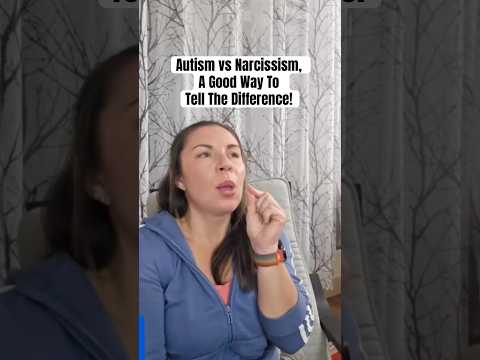
Autism and narcissism are two very different things, but they can cross paths in ways that might surprise you. It’s not your usual combo, but here we are.
Maybe you’ve wondered why someone might come off as self-centered while also showing traits of autism. It’s a real puzzle!
Finding the middle ground between these behaviors sheds light on human nature—how we connect and sometimes miss the mark. So stick around; let’s untangle this together!
Understanding the Distinctions: Can Narcissism Be Confused with Autism?
Narcissism and Autism: Two Distinct Paths
So, you’re curious about the difference between narcissism and autism, huh? Well, it’s a pretty interesting topic because while these two might sometimes share some traits, they emerge from very different places. Let’s break it down.
What is Narcissism?
Narcissism is primarily a personality trait that can sometimes escalate into a full-blown personality disorder. It often involves an excessive need for admiration and a lack of empathy for others. Picture someone who always needs to be the center of attention. They might exaggerate their achievements and have trouble recognizing other people’s feelings.
– Attention-seeking behavior: Always needing compliments or validation.
– Difficulty empathizing: Struggling to understand how others feel.
To give you an example, imagine someone who constantly talks about their successes but doesn’t seem to notice when their friend is upset. That’s classic narcissistic behavior—focused on themselves and what they want.
What is Autism?
On the flip side, autism—or more formally, Autism Spectrum Disorder (ASD)—is a developmental condition that affects how individuals communicate and interact with the world around them. Those on the spectrum may have difficulty understanding social cues or expressing emotions in ways that fit typical expectations.
– Diverse communication styles: People with autism might not catch onto jokes or sarcasm.
– Sensitivity to social situations: They can feel overwhelmed in social contexts but not because they’re self-centered.
Take Lisa, for instance. She loves her friends but often misses subtle hints when they’re feeling down. It’s not that she doesn’t care; it’s just that she processes things differently.
The Overlap
Here’s where things get really tricky! There are some overlapping behaviors between narcissism and autism that can cause confusion:
– Both may struggle with empathy in different ways.
– Social interactions can be challenging for both groups.
But here lies the crux—while someone with narcissistic traits may ignore others’ feelings intentionally, individuals with autism often don’t understand those feelings due to their condition.
The Impact of Environment
Another aspect that plays a role is environment. Narcissism often grows through experiences like societal pressure or upbringing focused on achievement and praise. In contrast, autism has more to do with brain development and neurodiversity rather than external validation.
Think of it like this: If you grew up in an environment where attention was everything, you might develop narcissistic traits as a way of coping or getting by in life. But if you were born with autistic traits, your experience would revolve around navigating a world made for neurotypical people who think differently than you do.
Navigating Misunderstandings
It’s essential to recognize these differences because mixing them up can lead to misunderstandings. For example, labeling someone on the spectrum as selfish could be really damaging since they might just be struggling to process emotions—totally different from someone actively seeking attention without regard for others.
In short, while there are indeed some behaviors that seem similar at first glance—like challenges in social communication—the roots of narcissism and autism are fundamentally different. Knowing this can help promote understanding rather than stigma between these two very distinct experiences!
Exploring the Most Common Comorbidities Associated with Autism Spectrum Disorder (ASD)
Autism Spectrum Disorder (ASD) is a complex neurodevelopmental condition. It often comes with some buddies—let’s call them comorbidities. These are conditions that can happen alongside ASD, making things a bit more complicated for those affected.
Some of the most common comorbidities include:
- Anxiety Disorders: A lot of people with autism experience anxiety. It’s like their brain is always on high alert, worried about social situations or changes in routine.
- Depression: Feelings of sadness and hopelessness can creep in, especially during the teenage years or early adulthood when social comparisons start ramping up.
- Attention Deficit Hyperactivity Disorder (ADHD): Many individuals with ASD also show signs of ADHD, which makes it tough to focus and control impulses.
- Obsessive-Compulsive Disorder (OCD): This can manifest as repetitive behaviors or thoughts that someone feels compelled to act upon. It’s like having an itch you just can’t ignore.
- Learning Disabilities: Some people with autism might have trouble in specific areas, like reading or math, even if they excel in others, you know?
Now, let’s chat about how these comorbidities intersect with behaviors we might see as narcissistic. So here’s the thing: narcissistic behavior can sometimes be misinterpreted in people with ASD.
Take a moment to picture this: You’re at a party, and someone on the spectrum isn’t engaging much in small talk but keeps bringing the conversation back to their interests—like trains or dinosaurs. This could come off as self-centeredness, but often it’s just a struggle with understanding social cues or thinking about what others want to discuss.
It’s important to realize that while narcissism involves an inflated sense of self-importance and a lack of empathy, someone with autism may not share those traits for the same reasons. A person on the spectrum might seem egocentric simply because they aren’t fully aware of how their behavior affects others.
In essence:
- Lack of Awareness: Individuals might not understand how their focus on specific topics could feel one-sided.
- Difficulties in Social Situations: Anxiety or discomfort can lead them to retreat into their own world rather than engage socially.
- Emotional Regulation Issues: Managing emotions without being able to fully express them may also appear self-focused when it isn’t intended.
So yeah, it’s all pretty intertwined. Understanding these nuances helps us not jump to conclusions about someone’s character based purely on surface behavior. Recognizing comorbidities can create room for compassion and patience.
Being informed about autism and its common side companions lets you approach folks with empathy instead of judgment. After all, everyone has their own struggles—sometimes they’re just more visible than others!
Understanding Avoidant Personality Traits in Autism: Insights and Implications
Understanding Avoidant Personality Traits in autism can be a bit like piecing together a puzzle. You see, people on the autism spectrum often face challenges with social interaction and communication, which can lead to feelings of anxiety. This anxiety might result in what we call avoidant behavior.
So, what are these avoidant personality traits? Well, they generally include:
- Avoiding social interactions: You might notice someone avoiding parties or gatherings because it feels overwhelming.
- Anxiety in new situations: Imagine stepping into a crowded room for the first time—totally terrifying!
- Lack of interest in forming friendships: Some might feel exhausted by the thought of building relationships and just opt-out altogether.
This doesn’t mean that they don’t want friends; it’s just tough for them to engage. Take, for instance, someone who loves video games but finds chatting with classmates at school super stressful. They’d rather stay home and play solo, even if they crave connection.
The tricky part? These avoidant traits can sometimes get mixed up with other behaviors, like those seen in narcissism. Narcissistic patterns often show themselves as a need for admiration and lack of empathy. While it’s not common to directly equate autism with narcissism, understanding how avoidance plays out is important.
In some cases, you might see relationships where one person feels neglected or invalidated because the other is too wrapped up in their own world—a bit like being trapped in a bubble. When someone on the spectrum avoids emotional connections due to fear or past experiences, it could come off as selfishness or indifference.
The implications of this are profound! It’s essential to approach these traits with kindness and understanding instead of judgment. Support can come from trusted friends or family helping create safe spaces where social interactions feel less daunting. For example, providing structure during social gatherings—maybe starting small by inviting one friend over instead of hitting a big party—can make all the difference.
This nuanced understanding can foster empathy both for individuals on the spectrum and those around them who might misinterpret avoidant behaviors as callousness or detachment. The closer we look at these characteristics, the clearer it becomes that they stem from deeper anxieties rather than self-centeredness.
So at the end of the day, recognizing and acknowledging avoidant traits in people with autism is crucial not only for their well-being but also for nurturing better relationships across the board.
You know, when we talk about autism and narcissistic behavior patterns, it’s a pretty complex topic. On the surface, these might seem like totally different things, right? Autism is all about neurodevelopmental differences affecting how someone communicates and interacts. Narcissism, on the other hand, often reflects a personality trait where someone has an inflated sense of self-importance or a lack of empathy.
Let me share a story. I once knew this guy named Jake. He was really intelligent but had some quirks that came with being on the autism spectrum. He’d get super focused on his interests and sometimes miss social cues. I remember one time at a party when he was discussing his favorite science topic way too intensely for anyone else to keep up. Someone joked about it lightly, but he didn’t pick up on that at all—it just went right over his head.
Now, here’s the thing: it’s easy to mistake some behaviors associated with autism for narcissism if you’re not familiar with the nuances. People might see Jake as self-centered because he doesn’t engage in small talk or respond to social niceties like others do. But that’s not because he thinks he’s better than anyone—he’s just wired differently.
On the flipside, there are individuals who display genuine narcissistic traits and can mimic empathy to get what they want but don’t really feel it deep down. It can be tough for people around them because they’re drawn in by the charm but can end up feeling burned when they realize the depth isn’t there.
Here’s where it gets particularly tricky: sometimes folks who have autism might also exhibit traits that look narcissistic based on their communication style or focus on specific interests without realizing how it affects others. For instance, they may struggle to recognize how their intense focus can come off as dismissive or inconsiderate.
So it becomes vital to differentiate those behaviors and understand what’s actually driving them. Like Jake might just need support in understanding social norms without any underlying malicious intent—it’s just who he is! It reinforces this idea that labeling people too quickly can lead to misunderstandings and missed opportunities for connection.
In many cases, having patience and empathy opens up paths for understanding each other better. You realize that what seems like narcissism could actually be someone grappling with different experiences of communication or social interaction—and vice versa! Just seeing things through that lens makes a world of difference in how we relate to one another.