So, let’s talk about that spine-chilling feeling you get when you see something that looks almost human but isn’t quite right. You know what I mean? Like those creepy dolls or those weird animations that just don’t sit well with you.
This whole thing is tied to something deeper than just personal taste. It’s called the “uncanny valley” effect, and it totally messes with our brains!
Think about it: you’re watching a movie, and a robot shows up that looks super realistic but still gives you the heebie-jeebies. What’s up with that?
I mean, it raises some serious questions about what we feel comfortable around, doesn’t it? Fear of those human-like figures can go way back into how we think and feel. So, let’s dive into this weird little corner of psychology together!
Understanding the Fear of Human-Like Figures: Theories and Implications Explained
Fear of human-like figures can be pretty unsettling. You know, it’s that kind of creepy feeling you get when you see something that looks almost human but is, like, just off enough to make your skin crawl. Think about those life-sized mannequins in stores or certain robots that just make you uncomfortable. That’s what we call the **Uncanny Valley**—a term coined by Japanese roboticist Masahiro Mori. Basically, it describes how our emotional response to humanoid figures tends to dip sharply when they are almost lifelike but still slightly different.
One theory behind this fear is really tied to our evolutionary instincts. Humans have developed a knack for picking up on subtle cues in faces and movements. If something looks close to human but isn’t quite right, your brain can’t help but scream danger! There’s even this idea called **disease avoidance**, where we instinctively steer clear of things that might resemble illness or death. So, if a figure looks “off,” our minds might interpret it as a potential threat.
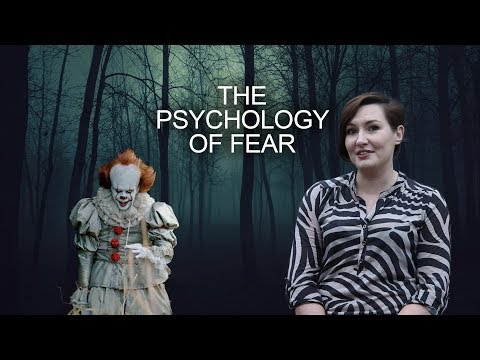
Another aspect to consider is personal experience and cultural influences. For instance, if someone has had a bad experience related to dolls or clowns (ever seen those creepy clown movies?), they may develop a strong fear of those human-like figures later on in life. Context matters a lot! Societal views and media portrayals also shape how we perceive these uncanny beings.
The implications of having this fear can be significant too. It may impact social interactions and relationships if someone becomes overly anxious in situations where they encounter human-like figures. Imagine walking into a room full of people wearing masks—it could be totally overwhelming for some! Understanding this fear can help us navigate our environments better and find ways to cope or confront these feelings when needed.
Artwork and media often play into these fears as well—think horror movies with eerie dolls or video games featuring animatronics that move just like humans but have an unsettling quality. This type of representation plays on the emotions we feel toward such figures, feeding into the cycle of anxiety surrounding them.
In essence, understanding the fear of human-like figures is complex but totally fascinating—it’s all about blending biology with personal history and cultural context. Each person’s relationship with these fears can differ greatly based on their past experiences and psychological makeup.
Understanding Automatonophobia: The Fear of Mannequins Explained
Automatonophobia is a term that covers the fear of human-like figures, especially things like mannequins and wax figures. Sounds a bit unusual, right? But for some people, just being around these lifeless replicas can cause real panic. It’s more than just disliking them; it’s an intense fear that can trigger anxiety or even full-blown panic attacks.
So, what’s behind this fear? Well, it often stems from a few psychological factors. For some folks, it’s all about feeling a lack of control. When you see something that looks human but isn’t really alive, it can feel super eerie. This disconnect can make your brain jump to conclusions about danger—like something bad might happen.
Another important factor is past experiences. Maybe someone had a negative encounter with mannequins as a kid—think of a scary movie or growing up in a store where they felt eerily present. Those early encounters can stick with us for years and shape how we react later in life.
Here are some common themes associated with automatonophobia:
- Anxiety triggers: Just seeing mannequins might cause rapid heartbeat or sweating.
- Fear of the unknown: The uncertainty about what these figures represent can be unsettling.
- Cultural influences: Movies and media often depict dolls or mannequins as creepy or sinister.
- Lack of familiarity: If you’ve never been around them much, they might seem strange and frightening.
Let me share a quick story that might hit home. A friend of mine once went shopping for clothes and was startled by a mannequin dressed up in this wild outfit. It was positioned unusually, almost like it was staring at her! She jumped back and felt her heart race. For her, that moment brought back childhood memories of visiting creepy stores where the mannequins just seemed… off.
But automatonophobia isn’t always easy to talk about since many people may feel silly for being afraid of inanimate objects! Still, it’s worth noting that understanding these fears can be really helpful. Like knowing you’re not alone—in fact, there are others out there who feel the same way.
In short, automatonophobia is an interesting blend of our instincts and personal experiences woven together into something pretty peculiar yet relatable. Whether it’s from feelings of anxiety or past trauma, humans have this unique way of reacting to things we don’t fully understand—like those strange-looking mannequins lurking around every corner!
Understanding the Uncanny Valley Theory: A Deep Dive into Its Implications and Applications
The Uncanny Valley Theory is a really interesting concept in psychology and robotics that explains why sometimes things that look almost human can creep us out. You know how you see a robot or a cartoon character that’s just a bit too lifelike, and it gives you the chills? That’s what this theory talks about.
The idea was first introduced by the roboticist Masahiro Mori in 1970. He suggested that as robots become more humanlike, people start to feel empathy and warmth towards them—until they get to a point where they look almost human but not quite right. That’s where the “valley” comes in; it’s like a dip in feelings of trust or comfort.
So what happens is, your brain recognizes the features as being human but also picks up on something off about it. Like, if you see a humanoid robot with realistic skin but its movements are jerky or its eyes don’t quite match its expression, it can spark an unsettling feeling. It’s not just you; many people experience this discomfort.
- Facial Recognition: Our brains are wired for facial recognition. When we see something resembling a face that doesn’t fully fit our expectations—say, like a doll—it can trigger this uncanny feeling.
- Social Connection: We’re social beings. We crave authentic connections with others. When something seems close yet so distant from being truly human, it feels alienating instead of comforting.
- Cultural Factors: Different cultures might react differently to humanoid robots or figures based on their societal norms and experiences with technology.
This brings us to some examples! Take horror movies—they often use lifelike dolls or creepy animatronics because they tap into this uncanny valley sensation to trigger fear in audiences. Think of Chucky from «Child’s Play» or those eerie scenes with dolls in films like «Annabelle.» The whole point is to elicit discomfort through figure manipulation that feels almost real yet distractingly wrong.
This theory isn’t just about fear though; it’s also affecting industries such as gaming and tech design. Developers aiming for realism need to find that sweet spot between lifelike characters and avoiding the uncanny valley dip because if they go too far one way, players might be put off! That’s why some games stick with stylized graphics so they don’t risk making characters feel too “off.”
Even in virtual reality (VR) and augmented reality (AR), creators have to tread carefully around this theory. If an avatar is too close to real-life humans but fails at basic emotions or actions, users can feel unsettled instead of immersed—definitely not what they’re going for!
The implications extend beyond gaming into our daily lives too! For instance, think about AI assistants or companions being developed now. If these figures come across as uncomfortable due to their near-human qualities without actually being human, it could affect how we interact with technology moving forward.
In short, the Uncanny Valley Theory illustrates this fascinating yet slightly spooky area where innovation meets psychology. Understanding it can help improve our experiences with robots and digital figures while playing on our innate instincts—both creatively and cautiously!
You know that feeling when you see something out of the corner of your eye and it freaks you out a bit? Like, maybe it’s a shadow or a mannequin that looks just human enough to give you the chills. That’s actually tied to something in psychology called the “uncanny valley.”
Basically, when we see a human-like figure that’s almost, but not quite, like a real person, it messes with our brains. This happens because our brains are wired to recognize faces and emotions—like, seriously, we’re hardwired for that! When something looks similar enough to us but isn’t quite right—maybe its eyes are too wide or its smile is just off—it creates this weird discomfort. It’s almost like there’s an alarm going off in our heads saying: “Danger! Danger!”
I remember once going to this exhibit where they had lifelike robotic figures. I thought it’d be fun, but instead, I felt really uneasy. They looked real until they didn’t. Their expressions were kind of blank and it was like they were looking through me rather than at me. It was bizarre and honestly left me feeling a bit paranoid for the rest of the day!
This fear can also tie into our evolutionary background. Back in the day, recognizing potential threats was key to survival. If something appeared human-like but wasn’t right, it could signal danger—like encountering someone who seemed off or even a predator mimicking humans. Our instincts kick in without us even realizing it.
So yeah, fear of those eerily familiar figures is pretty common because they stir up all sorts of feelings within us: confusion, distrust, maybe even dread. It’s fascinating how something as simple as shape or expression can have such a profound impact on how we feel about what we’re seeing. Humans really are complicated creatures!