You know those moments when you really want to join in, but something holds you back? It’s like this invisible wall pops up, and suddenly, you’re just standing there, frozen.
That’s kinda what happens with avoidant personality dynamics. It’s a whole thing that many people experience but don’t always talk about.
Imagine feeling a mix of anxiety and fear whenever you’re faced with social situations or new relationships. It can be tough, right? So let’s chat about it!
We’re diving into why these feelings pop up and how they can shape our lives. Trust me; it’s way more common than you’d think!
Understanding Avoidant Personality Disorder: The 7 Key Traits Explained
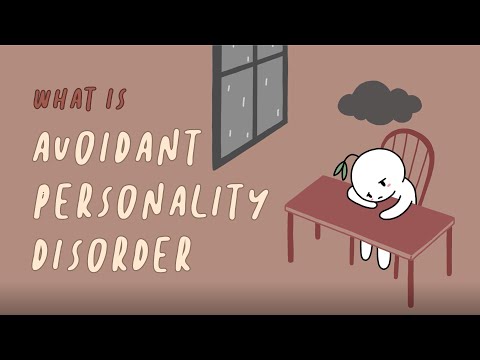
Avoidant Personality Disorder (AVPD) is one of those topics that can sound heavy, but once you break it down, it’s easier to grasp. Imagine someone who really wants to connect but is terrified of rejection or disapproval. That’s pretty much the gist of AVPD. So, let’s explore some key traits that typically define this condition.
1. Extreme Sensitivity to Criticism
People with AVPD often feel like they’re constantly walking on eggshells. They might take feedback way too personally, fearing that any form of criticism means they’re not good enough. So, if you tell them their report could use some work, they might spiral into feelings of worthlessness.
2. Avoidance of Social Situations
This trait is like the ultimate shield against potential rejection or embarrassment. Folks with AVPD might avoid parties or group outings because they worry they won’t fit in or that others will judge them harshly. Picture a person at home scrolling through social media while all their friends are out—yeah, it can be like that.
3. Feelings of Inadequacy
There’s an inner dialogue happening here that’s pretty tough to listen to—thoughts telling them they’re inferior or not interesting enough compared to others. This can lead to a vicious cycle where they pull away from opportunities that could actually help boost their self-esteem.
4. Reluctance to Take Risks
Taking risks? Not their thing! Someone with AVPD might shy away from experiences where failure feels likely, even if the payoff could be awesome! Imagine someone skipping out on a job opportunity because they’re afraid they won’t be able to handle the interview pressure.
5. Self-Isolation
It’s sort of a double-edged sword: wanting connection but seeking safety in solitude instead. Those with AVPD may isolate themselves from friends and family as a way to protect themselves from perceived threats in social situations.
6. Difficulty Expressing Emotions
Getting emotions across can feel like climbing Mount Everest for individuals with this disorder. They often have trouble sharing how they feel for fear of being judged or misunderstood, leading them to bottle things up instead.
7. Low Self-Esteem
A pervasive sense of low self-worth hangs over many people with AVPD like a rain cloud—even when there’s no real reason for it! They may struggle believing that friends genuinely appreciate them or think positively about their contributions.
Understanding these traits is super important not just for those affected by AVPD but also for friends and family trying to lend support without judgment. If you think about it, there’s so much more under the surface—like anxiety and fear—that shapes how someone interacts with the world around them.
So yeah, recognizing these key traits helps shed light on why someone acts the way they do and offers insights into creating more compassionate environments for those who struggle with avoidant personality dynamics.
Understanding the Avoidant Dynamic: Key Insights and Implications in Relationships
Understanding the avoidant dynamic in relationships can be like trying to catch smoke with your bare hands. It’s tricky, but once you grasp the essence, things start to click. Let’s break down what it means and how it plays out between people.
At its core, an avoidant personality often fears closeness. This fear can be rooted in past experiences, like feeling suffocated in previous relationships or not having enough emotional support as a kid. Imagine growing up in a home where expressing feelings was a big no-no. You’d learn to build these high walls around yourself, right? That’s the kind of backdrop many avoidants come from.
- Emotional Distance: People with avoidant tendencies often keep their partners at arm’s length. It feels safer that way. They might withdraw when things get too intense, causing confusion and frustration for those trying to connect with them.
- Avoidance of Intimacy: When intimacy approaches, an avoidant person might turn to distraction—like binge-watching shows or getting lost in work—anything to keep the connection at bay.
- Struggles with Communication: Expressing feelings can feel like climbing Mount Everest for someone who is avoidant. They might struggle to articulate their needs or concerns, leaving their partner feeling ignored or unimportant.
This avoidance doesn’t always mean they don’t care; it’s just how they’ve learned to manage relationships. So, you end up with this push-pull dynamic where one person is leaning in while the other is leaning back.
It can be heartbreaking because both parties usually do want a meaningful connection but just can’t seem to find common ground.
An example? Picture Sarah and Mike. Sarah is all about deep conversations and intimacy; she loves connecting over dinner and sharing feelings about her day. Mike, on the other hand—classic avoidant—tends to go quiet when things get too real for him. He feels overwhelmed by her emotional availability and often retreats into his headspace instead of engaging in those talks.
As a result, Sarah feels rejected and confused while Mike feels trapped by her expectations. It’s like a loop that keeps repeating!
The implications here are significant for relationships as you can imagine! Partners need awareness and patience if they’re going to navigate this tricky territory together. What works? Clear communication is essential.
Establishing safe spaces where expressing feelings doesn’t feel threatening helps a ton!
- Set Boundaries: This means both partners have agreed-upon limits on emotional intensity that feel comfortable for everyone involved.
- Create Safety: If you’re with an avoidant partner, showing that you’re there without pressure makes it easier for them to open up slowly over time.
- Acknowledge Progress: Celebrate every little step towards vulnerability—this encouragement can help someone move out of their comfort zone without panic!
In summary, understanding the avoidant dynamic isn’t just about labeling someone as distant; it’s about recognizing patterns rooted deeply within them and their pasts.
Cultivating empathy enables both partners to work together rather than against each other on this relationship journey.
The road won’t always be smooth—there will be bumps along the way—but recognizing how these dynamics play out provides insight into why people react as they do. And honestly? That’s half the battle won!
Understanding High Functioning Avoidant Personality Disorder: Signs, Challenges, and Strategies for Management
High Functioning Avoidant Personality Disorder (AVPD) can sound super complex, but let’s break it down, you know? It’s like when someone seems perfectly fine on the outside, managing their work and personal life well, but on the inside, they’re battling some intense emotional stuff. You might see them as successful but they often face challenges that are less visible.
Signs of High Functioning AVPD include a persistent fear of criticism and rejection. Imagine always feeling like no matter what you do, it’ll never be good enough for others. That can totally hold someone back in social situations or at work. They may also shy away from group activities or friendships because they worry they’ll get judged.
- A tendency to avoid interactions where they might be evaluated.
- A strong focus on personal flaws while struggling to see their strengths.
- An overwhelming desire to be liked while fearing potential rejection from others.
Take Sarah, for instance. She’s a high-performing manager at her job; everyone thinks she’s got it all together. But inside, she’s terrified of giving presentations because she fears people will criticize her ideas. So she avoids sharing them altogether. It’s tough!
Challenges faced by those with High Functioning AVPD can be sneaky. On one hand, they might seem successful; on the other hand, they often feel isolated and misunderstood. This creates a cycle of loneliness and self-doubt:
- Feeling disconnected even when surrounded by people.
- Coping mechanisms that include workaholism or perfectionism to mask deeper issues.
- Saying yes to things out of fear of disappointing others despite wanting to say no.
You know how sometimes you put on a brave face but it completely drains you? That’s a typical experience for someone dealing with this disorder. They may overachieve just to prove their worth but deep down, it can lead to burnout or anxiety.
Strategies for Management vary from person to person but being aware is huge! Here are some approaches that could help:
- Self-reflection: Journaling or talking about feelings helps in sorting through those emotions.
- Mindfulness practices: Things like meditation aid in reducing anxiety and improving self-awareness.
- Setting small goals: Breaking tasks into manageable pieces can lessen feelings of overwhelm—like taking baby steps!
A little bit of support goes a long way too! Building connections with trusted friends or joining supportive groups lets individuals share experiences without judgment. Learning that it’s okay to be vulnerable is essential in this journey!
The thing is, understanding High Functioning Avoidant Personality Disorder isn’t just about recognizing the signs; it’s also about being empathetic toward those who live with it every day. We all have our battles—just because someone looks fine doesn’t mean they aren’t fighting hard behind the scenes!
Okay, so avoidant personality dynamics can be pretty interesting once you start peeling back the layers. Imagine a person who really wants to connect with others but at the same time, they’re gripped by this overwhelming fear of rejection or embarrassment. It’s like they’re standing at the edge of a pool, wanting to dive in but just can’t bring themselves to jump.
I remember a friend of mine, Sarah. There was this party we went to, and while everyone was mingling and laughing, there she was just hanging back by the snack table. You could see how much she wanted to join in on the fun, but something held her back. Maybe it’s that inner voice telling her that she wouldn’t fit in or that people wouldn’t want to talk to her. So instead of risking the possible rejection, she opted for safety—hiding behind those chips and dip.
When we talk about avoidant personality dynamics in psychology, it often revolves around feelings of inadequacy and extreme sensitivity to criticism. It’s not just about being shy; it runs deeper than that. People with avoidant traits might feel socially awkward or think they don’t measure up against others, leading them to withdraw from social situations. It can really be heartbreaking when you think about it because isolation doesn’t usually fix anything; it can only make things worse.
Another thing is how this avoidance can create a cycle that’s super hard to break. The more someone avoids social interactions out of fear of judgment, the more anxious they may become about future interactions because their skills might not sharpen up without practice—like trying to ride a bike without actually getting on it! And if you throw in some negative past experiences where they faced ridicule or felt rejected? Well, that just cements their desire to steer clear of similar situations.
So it’s important for those who struggle with these dynamics—and for their friends too—to understand what’s happening beneath the surface. Being patient and offering gentle encouragement can make all the difference. You never know when someone is ready for that leap into social waters!