You know how it feels to pull away from a party because you’re just not feeling it? Like, that moment when you think, “Nah, I’ll just stay home.”
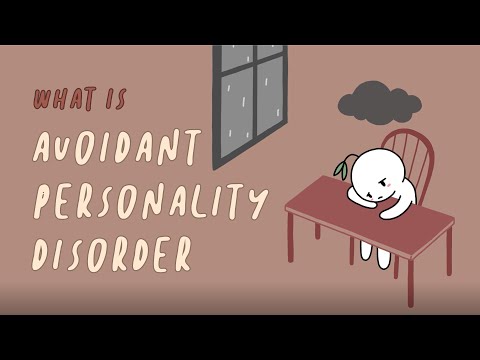
Well, some people take that to a whole new level. Enter Avoidant Personality Disorder. It’s not just shyness or being introverted. It’s more like this heavy blanket of anxiety that makes social stuff feel overwhelming.
Imagine feeling scared of being judged or not fitting in all the time. Seriously, it can be tough! This disorder can make everyday situations like talking to coworkers or meeting new friends feel daunting.
But why does it happen? What goes on in the mind behind those avoidant patterns? Let’s unpack this together!
Understanding the Development of Avoidant Personality Disorder: Key Factors and Insights
Understanding Avoidant Personality Disorder (AVPD) is pretty essential if you want to unravel why some people struggle with social situations and feel a sense of inadequacy. AVPD is characterized by a pattern of social inhibition, feelings of inadequacy, and hypersensitivity to negative evaluation. It’s like living in a bubble where the outside world feels intimidating. Let’s chat about some key factors that contribute to its development.
First off, childhood experiences play a massive role. If you grew up in an environment where there was a lot of criticism or rejection—like being constantly compared to siblings or faced with high expectations—this can foster feelings of worthlessness. Imagine a kid who always gets told they’re not good enough at sports or academics, even when they’re trying their best. Over time, these messages stick.
Anxiety is another big factor here. Some people are naturally more anxious and sensitive. When you combine that innate tendency with negative early experiences, it creates this thick layer of fear around social interactions. The idea of judgment becomes overwhelming, making it easier to avoid rather than face the possibility of failure.
You know how sometimes certain kids get picked on? Well, bullying can also significantly impact someone’s self-esteem and social anxiety levels. Just think about how long-lasting those effects can be! A single incident can echo through years.
An example might help here: imagine two kids in the same school; one is cheered on by supportive friends while the other faces bullying every day. The first may develop healthy social skills while the second withdraws into themselves—this difference shapes them for life.
This brings us to *how do these factors tie together?* Well, it’s not just one thing; it’s a combination—a sort of perfect storm where all these elements create an environment ripe for developing AVPD traits over time.
So yeah, understanding Avoidant Personality Disorder isn’t just about looking at the symptoms on paper; it’s about seeing how early life experiences mixed with emotional tendencies shape someone’s view of themselves and their place in society. Once you see those connections clearly, it helps make sense of why avoidance feels like the safest route for some folks out there!
Exploring Celebrities with Avoidant Personality Disorder: Insights and Impacts
Avoidant Personality Disorder (AvPD) might not be the first thing that comes to mind when you think about celebrities. Yet, many famous figures might exhibit traits consistent with this disorder. It’s pretty intriguing, right? So let’s dig into what this means and how it plays out in the lives of those who have it.
What is Avoidant Personality Disorder? Basically, AvPD is characterized by a long-standing pattern of feeling inadequate, being overly sensitive to criticism, and avoiding social situations. People with AvPD often feel they don’t measure up to others. They worry that they’ll be rejected or humiliated if they open up or engage socially.
Now, you might be wondering how this links with celebrities. After all, aren’t they supposed to thrive in the spotlight? Well, some celebs hide their struggles behind their public personas. They might avoid social gatherings or cringe at the thought of interacting with fans or even their own colleagues.
Notable Examples can be seen in several stars whose behaviors hint at avoidant tendencies. Take someone like **Megan Fox**, who’s been open about her struggles with anxiety and self-esteem issues. This type of anxiety can lead to withdrawal from social settings where she feels she won’t fit in.
Another example is **Billie Eilish**, whose lyrics sometimes reflect feelings of isolation and self-doubt. Despite her massive success and an adoring fan base, she has shared how overwhelming fame can get and how it sometimes makes her feel disconnected.
The Impact on Their Lives can be significant. Celebrities with AvPD may find it hard to form close relationships—even romantic ones—due to fear of rejection or inadequacy. On one hand, they might have tons of fans but still feel alone because personal connections require vulnerability that scares them away.
It’s also worth noting that media scrutiny adds another layer of challenge for these personalities. The pressure to maintain a certain image while battling inner demons can lead to destructive coping mechanisms like substance abuse or isolation altogether.
So what happens when these celebrities face public situations? Well, you might see unusual behaviors—like avoiding eye contact during interviews or appearing uncomfortable on stage—indicating their struggles are real despite their fame.
In short, exploring the lives of celebrities with Avoidant Personality Disorder opens up a window into the complexity of human emotions and behaviors—even among those who seem untouchable from afar. It reveals that regardless of status or success, we all face our battles behind closed doors; some just happen to do it while being watched by millions!
Understanding High Functioning Avoidant Personality Disorder: Symptoms, Treatment, and Coping Strategies
High Functioning Avoidant Personality Disorder (HPD) is a term often used to describe individuals who experience intense anxiety around social situations but still manage to perform adequately in their daily lives. These folks might have a stable job, maintain some relationships, and seem like they’ve got things together. However, underneath that surface, there’s a lot more going on.
Symptoms of High Functioning Avoidant Personality Disorder can be tricky. You might think someone is just shy or introverted, but look closer. They often struggle with:
- Extreme sensitivity to criticism: Even the smallest comment can feel like a personal attack.
- Avoiding social interactions: They may cancel plans or avoid gatherings to dodge potential embarrassment.
- A desire for connection: Despite their avoidance, they often yearn for closeness and relationships.
- Low self-esteem: They frequently see themselves as inferior or unworthy compared to others.
You might be thinking about a friend who’s always polite and helpful at work but just never hangs out outside the office. It’s not that they don’t want friends; it’s more about the fear of rejection that holds them back. Their mind races with “What if they don’t like me?” or “What if I say something silly?”
Treatment for HPD usually involves therapy—especially cognitive-behavioral therapy (CBT). This approach helps people challenge those negative thought patterns. With CBT, individuals learn to:
- Recognize triggers: Identifying what situations cause anxiety can help in managing feelings.
- Create coping strategies: This could be through deep breathing exercises or grounding techniques during stressful moments.
- Gradually face fears: By slowly stepping out of their comfort zone, they can build confidence over time.
The thing is, treatment isn’t one-size-fits-all. It’s kind of a journey—you take it step by step. Support groups can also offer valuable connections where people share similar experiences and provide encouragement.
- Breathe: Simple breathing exercises can really ground you when anxiety spikes.
- Simplify social situations: Start small—maybe just reaching out to one person instead of trying to socialize in larger groups at first.
- Keeps journals:>Writing down thoughts and feelings can help process emotions without overwhelming oneself verbally in social settings.
This whole experience may feel exhausting sometimes—and that’s okay! Remember that it’s perfectly fine to seek help and connect with understanding peers along the way. Each little step counts; progress doesn’t have to mean perfection. And honestly? You’re not alone in this!
So, let’s chat about Avoidant Personality Disorder (AVPD). It’s kind of a heavy topic, but I think it’s super important to unpack. You might know someone who seems really shy or avoids social situations like the plague. Well, that could be a sign of something deeper, like AVPD.
Imagine a kid in school who desperately wants to join a game during recess but just stands there, heart racing and palms sweaty. They watch the other kids laugh and have fun, but all they can think is “What if they don’t want me?” or “What if I make a fool of myself?” This kid may not just be shy; they might be dealing with the constant fear of rejection and feelings of inadequacy that come with avoidant personality traits.
Now, this disorder is more than just being introverted. It’s really about how people view themselves in relation to others. Folks with AVPD often see themselves as inferior or unworthy, and that can lead them to isolate themselves even more. They might desperately crave connection but feel paralyzed by social interactions. The irony!
You know those moments when you’re at a party and you feel like everyone knows each other except you? That’s what someone with AVPD might feel all the time. Their mind races with negative thoughts—“I’ll embarrass myself,” “They won’t like me,” “Why bother?” And honestly? That relentless self-doubt can be exhausting.
But here’s where it gets interesting: understanding AVPD isn’t just about recognizing the traits on paper. It’s also about empathy and patience. Imagine walking in their shoes for a bit—what would it be like to constantly worry about being judged? To see every possible interaction as high stakes? It can drive people to avoid situations that could actually bring them joy.
So yeah, we need to create environments where people feel safe enough to open up without fear of judgment. Little things can help here—a friendly smile, inviting someone into conversation gently, or simply sitting down next to them instead of waiting for them to join you.
At the end of the day, understanding AVPD means recognizing that behind avoidant behaviors lies an intense struggle with anxiety and self-esteem issues. The journey towards feeling comfortable in social settings is not linear—it takes time and support from friends and loved ones. It’s all part of being human, right? We all need that feeling of belonging; it’s just sometimes we face different battles on our way there.