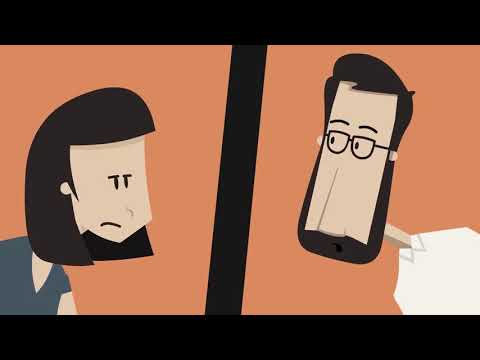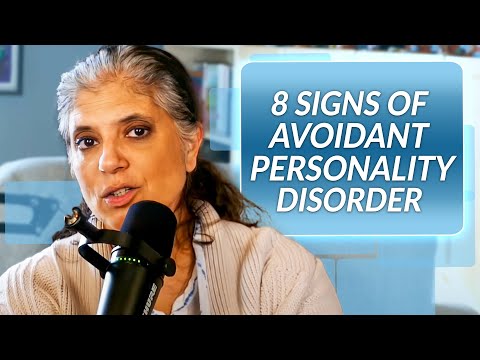
You know that feeling when you just want to blend into the background? Like, being in a crowd makes you want to disappear?
For some people, that’s more than just shyness. It’s like a whole thing—it’s called avoidant personality disorder.
It might sound heavy, but it’s way more common than you think! Seriously, it affects lots of people who just struggle with social situations and fear judgment.
So, let’s chat about what this really looks like. We’ll break it down together and help spot those signs—because understanding is the first step to feeling a bit better in your own skin. Sound good?
Exploring the Impact of Aging on Avoidant Attachment Styles
Avoidant attachment styles can create some tricky dynamics in relationships, especially as we age. So, let’s break it down a bit.
Avoidant attachment is essentially a pattern where people tend to keep their distance emotionally. When you’re younger, you might think this is just a way to protect yourself from getting hurt. But as you get older, this style can have some unexpected impacts on your life and relationships.
Now, first off, aging can lead to changes in our emotional needs. You know how, when you’re young, you’re focused on independence? Well, as we age, the need for connection often grows stronger. This shift isn’t always easy for those with avoidant tendencies.
- Loneliness vs. Independence: As friends and family start to pass away or become less available due to different stages in life, that independence can feel like isolation. It’s like being on an island with no boat in sight.
- The Pressure of Vulnerability: Aging often comes with physical decline and emotional challenges that require vulnerability—something avoidants typically shy away from. Just think about it: admitting you need help is tough!
- Shifting Relationships: Older adults might want more emotional closeness than before but find it hard because they’ve built walls over the years. Imagine wanting a hug but feeling like your arms are tied!
- Recognizing Symptoms: For those who may develop Avoidant Personality Disorder, these symptoms could become even more pronounced as they age: anxiety about social situations or an intense fear of criticism might grow stronger.
This isn’t just about personal feelings; it’s also about how these patterns play out socially. If you’ve always kept people at arm’s length but now crave connection, that internal conflict can be really disorienting.
A story that comes to mind involves an older man named Tom who spent most of his life keeping everyone at a distance—friends turned into acquaintances over time. When he hit 70, his best friend passed away unexpectedly. That left him feeling more isolated than ever before.
You see? Tom wanted someone to talk to about his grief but couldn’t bring himself to reach out. His avoidant style made opening up feel like a monumental task rather than just picking up the phone and calling someone he once cared about.
The thing with aging and attachment styles is they don’t exist in a vacuum—society also plays a role! Older adults are often expected to be wise or emotionally resilient while struggling deeply behind closed doors because of their past behavior patterns.
To wrap this up without getting too heavy-handed: aging hits us all differently and if you’ve got an avoidant attachment style, it may magnify some of those feelings of fear and isolation when you’re facing life’s inevitable changes. Recognizing these patterns early on could help foster healthier relationships as you move forward into this new chapter of life!
Identifying Avoidant Personality Disorder: 7 Key Signs to Recognize
Okay, so let’s chat about Avoidant Personality Disorder (AvPD). It’s one of those less recognized conditions that can really shape how someone interacts with the world. If you know someone who’s super shy or tends to withdraw a lot, it might not just be a case of being introverted. There could be more going on.
1. Intense Fear of Rejection
One of the biggest signs of AvPD is this overwhelming fear of being judged or rejected. Think about it: every time they think about joining a group or speaking up, they freak out, worrying everyone will criticize them. They might back out from social events just to avoid that feeling.
2. Avoiding Social Situations
If you notice someone consistently dodging gatherings, parties, or even just hanging out with friends, it could be part of this disorder. It’s like they have an invisible shield. They’d rather stay home than risk feeling uncomfortable around others.
3. Low Self-Esteem
This often goes hand in hand with AvPD. Individuals may see themselves as inferior or unworthy. You know how sometimes you feel insecure about something trivial? For them, that feeling is magnified to the max! They might think they’re not good enough for anyone’s company.
4. Difficulty in Relationships
Building relationships can be super tough for someone with AvPD. They might want connections but struggle to open up or share their feelings due to fear and anxiety. Imagine wanting a friend but being terrified of what they’ll think if you let your guard down!
5. Hyper-Sensitivity to Criticism
If they receive even mild feedback, it feels like a punch in the gut! Criticism can send them into a tailspin because those perceived negative judgments confirm their worst fears about themselves.
6. Feeling Inadequate
This involves persistent feelings that they’re not measuring up in various aspects of life—be it socially, academically, or personally. There’s this nagging voice saying they’re failing at things everyone else seems to nail easily.
7. Reluctance to Try New Things
Avoidant individuals often stick strictly to what’s familiar and comfortable. Trying new activities? Nah! Whether it’s trying out a new class or engaging in a different hobby, they tend to shy away from anything that feels risky.
The thing is, if any of these signs hit home for you—or someone you know—it’s worth exploring further with a professional who understands these nuances better than most folks do.
Avoidant Personality Disorder can be tough on anyone living with it and can lead to isolation if help isn’t sought out eventually!
Effective Strategies for Treating Avoidant Personality Disorder (AVPD)
Avoidant Personality Disorder (AVPD) can be a tough nut to crack, both for those who have it and for the people around them. You might feel like you’re stuck in a bubble, where social situations seem overwhelming, and the fear of rejection looms large. So, let’s break down some effective strategies people use in treating AVPD and why they can help.
1. Cognitive Behavioral Therapy (CBT)
CBT is a common approach that helps change negative thought patterns. Imagine you’re at a party, and your brain is telling you everyone is judging you. Through CBT, you’d learn to challenge that thought—like thinking about past situations where people actually enjoyed your company. It’s about re-training your brain to see things more clearly.
2. Exposure Therapy
This is all about gradually facing your fears. It might sound scary, like asking you to jump into freezing water! But it’s more like wading in slowly. A therapist might encourage you to engage in small social interactions first—like saying hi to a neighbor—then gradually increasing the challenge as you feel more comfortable.
3. Group Therapy
Group settings can sound terrifying if you’re dealing with AVPD, but they can also be really beneficial. Being in a group allows you to hear others share similar struggles. It’s kind of comforting to know you’re not alone! Plus, it gives you a chance to practice social skills in a safe space without judgment.
4. Mindfulness Techniques
Mindfulness is all about being present without judging yourself or your feelings too harshly. This could include meditation or even simple breathing exercises when anxiety starts creeping up on you. Think of it as hitting the pause button on those racing thoughts so you can regain some control.
5. Building Self-Esteem
Having AVPD often means wrestling with self-esteem issues. Working on this aspect can be key! Activities that highlight your strengths—like journaling accomplishments or engaging in hobbies where you excel—can help create a positive self-image over time.
6. Medication
Sometimes therapy alone isn’t enough, and medication might be prescribed to help manage symptoms like anxiety or depression associated with AVPD. That could involve antidepressants or anti-anxiety medications, but this decision should always involve careful consideration and discussion with a healthcare provider.
The Importance of Support Systems
Having friends or family who understand what AVPD feels like makes a world of difference! Building connections may take time but having someone patient beside helps ease anxiety surrounding social interactions.
It’s crucial not to forget that every person’s journey with AVPD is unique; what works wonders for one person might not fit another quite the same way—you follow me? So yeah, combining various strategies while finding what clicks for you personally often leads to better outcomes overall.
Remembering that these strategies take time and practice can make the process easier on yourself too! It’s not an overnight fix but rather slow incremental growth towards feeling more comfortable with yourself and others around you.
Avoidant Personality Disorder (AVPD) can feel like a weight, you know? It’s not just about being shy or introverted; it’s a whole different ball game. Imagine being in a crowded room, and instead of feeling excited or curious, your heart races, and your palms sweat because you’re terrified of judgment. It’s that intense fear of rejection and humiliation that can really keep someone locked in their own world.
So, how do you recognize the symptoms? Well, it often starts with a pattern of avoiding social situations. You might find yourself bailing on plans with friends because the idea of being judged or not fitting in feels unbearable. This isn’t just occasional introversion; it’s more like an overwhelming urge to hide away from any kind of interaction.
Another piece of the puzzle is the sensitivity to criticism. You might take even casual comments way more personally than others do. Just a simple joke about being late could feel like a dagger to the heart. And then comes that agitated perfectionism—constantly worrying about making mistakes because you believe they’ll lead to disapproval from others.
I remember a friend who struggled with this without even realizing it at first. She was incredibly talented but would often refuse opportunities at work because she feared she wouldn’t be good enough or that people would talk behind her back. The anxiety she carried around was so palpable; it was like watching someone sit on the sidelines while everyone else enjoyed life.
The craziness is that people with AVPD often really crave connection but just can’t seem to get over that hurdle of fear and self-doubt. They might feel lonely at times, wishing they had those deep friendships but thinking they don’t deserve them or that no one wants them around anyway.
It’s also crucial to recognize how these symptoms affect daily life—like issues with work, relationships, and even self-esteem. When social interactions trigger anxiety on such a level, it can spiral into deeper feelings of worthlessness or shame.
Understanding this disorder doesn’t make the experience easier for those dealing with it; it’s more about shining a light on something that’s often hidden in plain sight. Having conversations around mental health helps build empathy for these feelings, even if we can’t fully grasp what it’s like to live with AVPD ourselves.
So yeah, recognizing these symptoms isn’t just about labeling someone as shy or introverted—it’s about understanding their struggle and maybe helping them find their way out into the light without judgement hanging over them all the time.