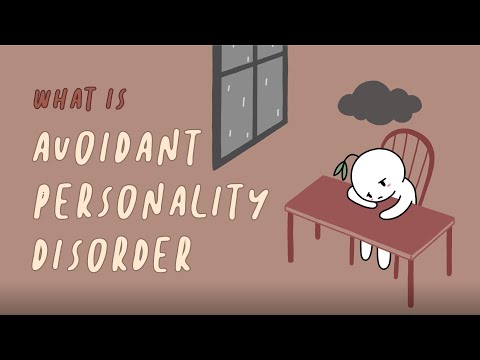
So, you know how some people just seem to shy away from social situations? It’s like they prefer hanging out with their own thoughts instead of the crowd.
Well, that’s kinda what we’re diving into today. Avoidant personality traits. They can be a bit tricky to pin down, you feel me?
Imagine someone who worries a lot about what others think. They might avoid parties or gatherings because the thought of being judged is just too much to handle!
It’s not that they don’t want to connect; it’s more like their fears hold them hostage, and breaking free isn’t easy.
Let’s chat about it all—what it looks like, why it happens, and maybe even how it affects everyday life. Sound good?
Recognizing Avoidant Personality Disorder: Key Signs and Symptoms to Watch For
So, let’s chat about Avoidant Personality Disorder (AVPD). It’s a condition that can make social situations feel like navigating a minefield. People with AVPD usually want connections but often hold back due to intense fear of rejection or criticism. This ain’t just shyness; it goes much deeper.
One of the main signs to watch for is a strong desire to avoid social activities or situations where they might meet new people. Think about it: have you ever skipped a party because you were just, like, way too anxious about what others might think? For someone with AVPD, this feeling is amplified. They may dodge work events or hangouts with friends simply because they’re terrified of being judged.
Another key aspect is hypersensitivity to negative feedback. Imagine putting your heart into something and then getting torn apart by criticism—yikes! Individuals with this disorder often experience this fear intensely. They might avoid constructive criticism altogether, fearing that any form of feedback means they’re not good enough.
- Fear of Embarrassment: Even small things can feel monumental. Like, if they trip in front of others, it might haunt them for days! The thought of looking foolish drives them away from social gatherings.
- Avoiding Intimacy: Building close relationships? Tough stuff! While they crave connection, the fear holds them back. Picture wanting a best friend but being too scared to call and chat.
- Low Self-Esteem: Often there’s this nagging inner voice saying, “You’re just not good enough.” This constant self-doubt leads them to stay in the shadows rather than stepping into the spotlight.
- Difficulty Expressing Feelings: Sharing feelings can be super challenging. They might keep their emotions bottled up because revealing them feels risky—it’s like walking on eggshells!
You see those signs? They all weave together to paint a picture of how someone with AVPD experiences life differently than most people do. It’s easy to mislabel these traits as mere introversion when there’s so much more involved.
A personal story kind of illustrates this: imagine Sarah at work. She loves her job but always misses team lunches because she can’t shake off the anxiety about saying something silly or awkward in front of her colleagues. It’s not that she doesn’t want to go; it feels like an uphill battle each time she thinks about joining in.
If you know someone who seems to fit these descriptions, it can help to show understanding and patience rather than pushing them toward more social interaction right away. Recognizing these signs isn’t just about labeling—it’s about fostering empathy where you can truly see the struggles they face daily.
Avoidant Personality Disorder isn’t simply shyness or introversion; it’s an overwhelming anxiety that deeply affects one’s ability to connect and thrive socially. Understanding it better means we can create more inclusive environments where everyone feels safe and valued.
Understanding Loneliness in Avoidant Personalities: Insights and Implications
Loneliness can be a heavy burden, especially for folks with avoidant personality traits. You know, these are the people who often feel uncomfortable or anxious in social situations. It’s like they want to connect but also feel this overwhelming urge to pull away. Let’s break this down.
Avoidant Personality Traits revolve around a deep fear of rejection and criticism. Imagine being invited to a party and thinking, «What if nobody talks to me?” or “What if I make a fool of myself?” It’s that constant worrying that leads them to avoid situations where they might face judgment.
But here’s the kicker: this avoidance doesn’t mean they don’t crave connection. In fact, many of these individuals feel incredibly lonely. That feeling can become a vicious cycle. They shy away from social interactions, which leaves them isolated, and then their loneliness reinforces their desire to avoid others even more.
- Anxiety: When faced with social situations, the anxiety can soar. The heart races, palms sweat—it’s all-consuming.
- Self-Perception: They often view themselves negatively. “I’m not interesting,” or “Why would anyone like me?” can become their inner dialogue.
- Avoidance Behavior: To escape discomfort, they might cancel plans at the last minute or decline invitations altogether.
This isn’t just about being shy or introverted; it runs deeper than that. Think about someone who has experienced rejection in the past—say, in high school when their friends turned their backs on them during an awkward moment. That pain lingers and creates a wall around them that makes reaching out feel impossible.
Avoidant personalities also struggle with expressing their needs and desires. You might find them wishing for friendship but not knowing how to start a conversation or keep one going. So instead of taking risks and reaching out, they tend to hide behind walls of silence.
This leads us to some important implications for understanding loneliness through this lens:
- Coping Mechanisms: Building healthy coping strategies is crucial. This could be journaling feelings or engaging in hobbies where they don’t have to interact constantly with others.
- Support Systems: Encouraging small connections—like texting or online communities—can help ease feelings of isolation without too much pressure.
- Professional Help: Talking things through with someone trained can provide insights and strategies tailored specifically for them.
The journey toward managing loneliness in avoidant personalities is not easy; it takes time and small steps forward. Every little victory counts! Acknowledge those efforts because they’re huge for someone who’s been wrestling with fear and self-doubt for so long. It’s all about embracing progress over perfection!
This understanding can create paths toward healthier relationships with themselves and others over time while easing that heavy feeling of loneliness. It’s possible! And even though it may seem daunting at first glance, taking baby steps really does make a difference in breaking down those walls.
Effective Therapies for Avoidant Personality Disorder: Discovering the Best Treatment Options
Avoidant Personality Disorder (AVPD) can be a tough situation to navigate. Imagine feeling constantly anxious about social interactions, fearing rejection, and wanting to hide away from the world. It’s like living in a bubble that feels safe but also isolating, you know? Luckily, there are some effective therapies that can really help with this. Let’s break down what works.
Cognitive Behavioral Therapy (CBT) is one of the primary treatments for AVPD. This therapy focuses on identifying and changing negative thought patterns. When someone believes they’re unworthy or destined to fail, CBT helps challenge those thoughts and replace them with more positive ones. For instance, if you think “I’ll embarrass myself at this party,” CBT encourages you to explore evidence for and against that belief.
Next up is exposure therapy. This one involves gradually facing social situations that cause anxiety. It’s like dipping your toes in the water before jumping in fully. You might start by saying hi to a stranger or joining a small group activity. The goal is to build confidence through repeated exposure until these situations feel less daunting.
Then there’s Schema Therapy, which digs deeper into your past experiences, especially childhood ones, that mold current behavior. It helps you see how old patterns affect now and encourages healthier thinking about yourself and relationships.
Group therapy also plays a significant role here. Being around others who share similar struggles can feel comforting and validating. You get to practice social skills while being understood by peers who’ve been through it too—there’s something powerful about realizing you’re not alone!
Another approach is mindfulness-based therapies. These focus on being present without judgment—kind of like training your mind to observe thoughts without letting them control you all the time. With mindfulness practices, you learn to reduce anxiety by focusing on the here and now rather than worrying about what could happen.
Medication, though not a primary treatment for AVPD itself, can sometimes be used alongside therapy if there’s severe anxiety or depression present. Antidepressants or anti-anxiety medications might help stabilize mood enough so other therapies become more effective.
Kicking things off with these options gives a good sense of direction when facing AVPD challenges—the key ingredients are patience and persistence. Remember that progress might take time, but every small step counts!
So, let’s chat about avoidant personality traits. You know, when someone feels super anxious in social situations and tends to steer clear of anything that might make them feel judged or embarrassed? It’s like they have this invisible wall around them, protecting themselves from potential rejection.
I remember a friend of mine in college who was just like this. She was incredibly smart and funny but would rarely join us for group hangouts. Whenever we’d plan something, she’d always back out at the last minute, claiming she had «too much work» or wasn’t feeling well. Looking back, I wish I’d understood what she was going through better because it was hard for me to see her struggle with really wanting to connect but being trapped by her fears.
People with these traits often think about their interactions way too much. Imagine constantly worrying if you’re saying the right thing or if your vibes are totally off—exhausting, right? This can lead to missing out on fun experiences and relationships. It can feel like walking on eggshells all the time.
The interesting part is that avoidant traits aren’t always super obvious at first. Some people might come off as just shy or introverted but are actually dealing with deeper stuff—like a fear of being vulnerable or facing criticism. This plays into their mental health too; anxiety can become a regular companion, making everyday life a lot trickier than it needs to be.
What’s crucial here is understanding that those avoidant behaviors usually stem from past experiences—maybe they were bullied as kids or had some rough friendships that left emotional scars. That’s why empathy matters so much! If we can recognize what’s happening beneath the surface, it becomes easier to support our friends and ourselves when those feelings come up.
So yeah, while it’s easy to label someone as shy or standoffish, there’s often a lot more beneath that exterior. We could all benefit from taking a moment before jumping to conclusions about what someone is feeling inside—instead of judging their actions without knowing the story behind them. Just something worth pondering when we engage with others!