You know that feeling when you hear a balloon pop? It’s like a mini heart attack, right?
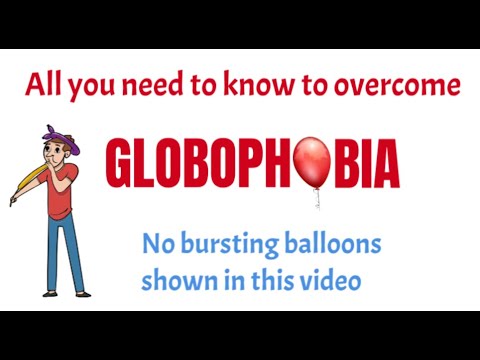
For some people, it’s way more than just a jolt. We’re talking serious fear—balloon phobia.
Yeah, it sounds wild, but hey, fears can get pretty specific. You might be wondering why balloons can freak someone out so much.
Well, there’s actually some psychology behind it. Let’s dig into those quirky roots of balloon phobia and see how this fear shows up in real life.
Exploring the Origins of Balloon Phobia: Understanding the Psychological Roots of Fear
So, balloon phobia, or *globophobia*, is one of those fears that you might not hear about every day, but it’s actually more common than you think. It’s interesting how a simple object like a balloon can spark such intense anxiety in some people. But where does this fear come from?
First off, let’s talk about the **psychological origins** of balloon phobia. Fear often develops through a number of ways. Here are a few key points to consider:
- Personal Experiences: Many fears begin after a negative experience. Imagine a kid at a birthday party, and suddenly a balloon pops. The sound might be startling, leading to crying and panic. That experience can stick with the child, creating an association between balloons and fear.
- Learned Behavior: Fear can also be learned from others. If someone grows up with parents or friends who are scared of balloons, they might pick up on that fear through observation. It’s like monkey see, monkey do—fear can be contagious!
- Anxiety Sensitivity: Some people naturally have higher levels of anxiety sensitivity—basically, they might react stronger to stressors than others do. For them, something as innocent as a colorful balloon could trigger overwhelming feelings.
Now let’s explore the **physical responses** that come along with this fear. When faced with balloons or the thought of them popping, individuals might experience symptoms like increased heart rate, sweating, or even panic attacks. You know how that feeling is when you’re waiting for something to go wrong? That anticipation can feel paralyzing.
An example: Picture someone at a party surrounded by balloons—they see one wiggle in the breeze and their heart starts racing. What’s happening is their mind goes into fight-or-flight mode as if there were real danger present.
Another element here is **sensory overload**. Balloons are bright and shiny—they catch your eye! But for people with balloon phobia, all these colors and sounds (that potential popping!) become overwhelming cues that make the fear even worse.
You’ve probably noticed that people often have different levels of anxiety based on their personality traits too! Some folks are more prone to anxiety overall; if they’re already feeling jittery about social situations or crowds at parties, being surrounded by balloons might feel like too much.
Balloons can also symbolize **loss of control** for some individuals—not quite sure why but maybe because they float away easily? This idea leads to discomfort since it taps into deeper feelings about safety and stability.
If we go deeper into psychology—balloon phobia could link back to broader concepts such as **classical conditioning**, where an unrelated stimulus (like the sound of pop) becomes linked to an emotional response (like fear). It’s like Pavlov’s dogs but instead we’re talking about little Timmy learning he should avoid balloons at all costs!
The thing is with fears like this one is they’re often not just irrational; they’re complex emotional responses shaped by personal context and experiences over time.
You know what? Understanding these roots doesn’t always mean erasing them but rather recognizing why they exist in the first place! That awareness can sometimes be the first step toward easing those feelings—even if you still choose to steer clear of balloons at every party you attend!
Exploring Oprah Winfrey’s Greatest Fear: Insights into Her Phobia and Its Impact
When you think of Oprah Winfrey, it’s easy to focus on her successful career or her inspiring journey. But did you know she has a pretty well-known phobia? Yup, Oprah is afraid of balloons, and that’s something that opens up a fascinating conversation about fears and how they can shape our lives.
So, let’s unpack this phobia a bit. Balloons can seem harmless, right? But for some folks, the sound of a balloon popping can be absolutely terrifying. It’s not just about the pop itself—it often triggers deeper feelings of anxiety or even panic. That might sound a bit extreme if you don’t share the fear, but it’s real for those who do.
Oprah’s fear isn’t just an odd quirk; it ties into some interesting psychological stuff. Many phobias stem from early experiences or learned behaviors. Think back to when you were a kid: maybe there was a scary incident involving balloons at a birthday party—like being startled by one popping unexpectedly. Or perhaps it’s more about associated anxiety—like feeling overwhelmed in social situations where balloons are present.
- Conditioning: People often develop phobias through classical conditioning—when something neutral (balloons) gets paired with a traumatic experience (the loud noise). Over time, just seeing balloons might trigger that fear response.
- Anxiety: For many people, anxiety manifests physically. If you’re nervous about balloons popping, your heart races and palms sweat when they’re around—making that fear even more intense.
- Coping Mechanisms: Oprah has been open about her struggle with this fear and how she’s dealt with it publicly. She sometimes avoids situations where balloons are present altogether—which is one way people cope with their fears.
This fear actually impacts various aspects of her life and work. Imagine being at an event where balloons are everywhere; talk about awkward! But what’s key here is understanding that when we face fears head-on—even ones as seemingly silly as balloon phobia—we can shift our perspective and grow from those experiences.
You know, it’s kind of amazing to see someone like Oprah be open about her vulnerabilities. It reminds us all that fears don’t define us; they’re just part of the human experience! And whether you’re afraid of balloons or something else entirely, recognizing and acknowledging those fears is the first step in tackling them.
The conversation around Oprah’s balloon phobia shows how complex our emotional lives can be—and how important it is to address these issues rather than hide them away. Everyone has something they struggle with; maybe it’s time we start talking about it more openly!
Understanding the Psychological Impact of Balloons: Insights and Implications
Understanding the psychological impact of balloons can be quite fascinating. You might think, «Seriously? Balloons?» But you’d be surprised how deeply connected our minds are to something as simple as a balloon. They’re often tied to celebrations and joy, but for some people, they can trigger anxiety or fear—like balloon phobia.
Now, let’s break this down. The first thing to consider is associations. Balloons are often associated with childhood memories. Birthdays, parties, and good times typically include balloons floating around. But what if someone had an unpleasant experience related to balloons? Maybe a balloon popped unexpectedly during a party—scaring them silly! That sound can stick with someone and create a negative connection to balloons.
Most people might not realize it, but fear responses can develop in various ways. A balloon popping could trigger an intense startle reaction—your heart races, and you feel that rush of adrenaline as if you were in danger. This is part of our biological survival instinct; it’s like our brain saying, “Hey! Something bad just happened!” Over time, those feelings can escalate into full-blown phobia.
There’s also cognitive processes at play here. When someone has a phobia, they may start imagining worst-case scenarios every time they see a balloon—a chain reaction of anxiety that spirals out of control. Even thinking about being near balloons might make them feel uneasy or panicky!
If we zoom out a bit from individual experiences, we see societal factors too! Cultural associations with balloons can change how we perceive them. In some cultures, balloons symbolize happiness and celebration; in others, they might not hold the same positive vibe.
It’s also worth noting how exposure therapy can work wonders for those who struggle with fears or phobias related to balls or other objects that seem innocent enough on the surface but carry deeper psychological weight for individuals. Gradually exposing someone to their fear—starting with pictures of balloons or even watching videos—can help diminish their anxiety over time.
In summary, understanding the psychological impact of balloons involves digging into personal experiences, cognitive reactions to fear stimuli, and cultural perceptions that shape our feelings about these colorful objects. For some people, exploring these connections helps ease their fears while reminding us why something seemingly trivial like balloons can hold such complex emotional power!
Balloon phobia, or globophobia as it’s scientifically called, might sound a bit quirky at first. You might think, come on, how can anyone be scared of something so innocent and festive? But hey, it’s more common than you’d think. It’s a real fear that affects a surprisingly decent number of folks. So let’s unravel this a bit.
Imagine being at a birthday party. Everyone’s laughing, cake is everywhere, and there are colorful balloons floating around. But then—pop! A balloon bursts right beside you. For some people, that sound can trigger intense anxiety or even panic attacks. It’s wild how something seemingly harmless can trigger such strong reactions.
So why does this happen? Well, there are different roots to look at. For starters, it could be tied to past experiences. Maybe when they were younger, someone got too close to a balloon popping—yikes! And just like that, the brain connects that loud noise with fear and danger. This makes sense if you think about how our minds work; they try to protect us from things that hurt us before.
Then there’s the whole sensory aspect of balloons—the texture, the smell of latex, or even how they feel when you touch them can set off alarms in someone’s head who already has a fear of them. It’s like their brain is saying: “Danger ahead!” even if there’s no threat in sight.
It also plays into social pressures and expectations; imagine feeling embarrassed in front of friends because you can’t handle balloons while everyone else is cool with them. That just adds fuel to the fire and probably makes the fear worse.
Responses to this phobia vary too; some people might avoid parties altogether while others try exposure therapy—slowly working themselves up by being around balloons in small doses until they feel more comfortable. Seriously courageous if you ask me!
At the end of the day, acknowledging fears like balloon phobia is important—that’s where healing begins! Just because something seems trivial doesn’t mean it isn’t valid for someone grappling with it every day. It’s all about understanding those deeper roots and finding ways to cope and manage those feelings better over time. While it may seem odd to some on the outside looking in, for many individuals it’s genuinely their reality—and addressing it with kindness goes a long way!