You know how sometimes you just pick up a habit or skill by watching someone else? It’s like, one day you see your friend nail that dance move, and suddenly you’re trying to copy them without even realizing it. Super casual, right?
That’s the magic of Bandura’s Social Learning Theory. Basically, it tells us that we learn a ton just by observing others. No textbooks or lectures needed!
Think about those times you imitated your favorite celebrity or picked up a trick from that DIY video. It’s all part of this idea where seeing is believing—and doing too!
In a world where we’re constantly surrounded by people and their actions, it makes sense to dive into how this whole learning thing works through observation. Let’s unpack this together!
Understanding Bandura’s Cognitive Learning Theory: Key Concepts and Applications
Sure! Let’s have a look at Bandura’s Cognitive Learning Theory, especially how it ties into his Social Learning Theory. It’s pretty interesting stuff that explains how we learn from others around us!
Albert Bandura was a psychologist who thought that a lot of our learning happens through observation. You don’t always have to experience something yourself to learn it. Instead, you can watch someone else go through it and pick up on their actions, thoughts, and feelings. This is what he referred to as observational learning.
Here’s the deal: when you see someone succeed or fail at something, you mentally adjust your own behavior based on what you’ve observed. It’s like when you watch a friend try out a new skateboard trick. You might take note of their balance or stance, and then you’ll either give it a shot yourself or decide it’s not worth the risk!
Now let’s break down some key concepts of Bandura’s theory:
- Attention: To learn by observation, you first need to pay attention. Think about your favorite movie scene—you’re totally into it because the actors are engaging and the story is compelling.
- Retention: After seeing something, you need to remember it. If your buddy shows you how to make an awesome sandwich, you’ll likely remember each step if you’ve really focused on it.
- Reproduction: Now comes the fun part—trying it for yourself! You’ll use what you’ve learned if you feel confident enough in your ability.
- Motivation: This one’s super important! If you’re excited about trying that skateboard trick, you’re probably going to give it your all. But if you’re not feeling motivated—maybe you’re scared of falling—you might hold back.
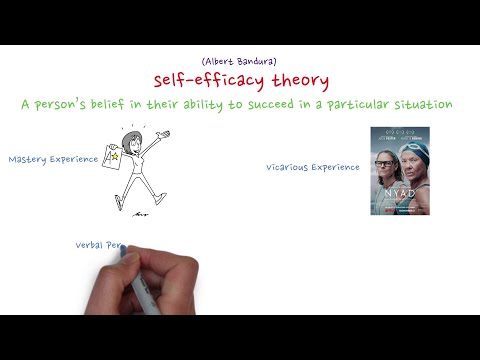
Bandura also introduced the concept of self-efficacy. This is where your belief in your own abilities comes in. If you think you’re capable of doing something well, you’re more likely to put in the effort and keep trying when things get tough. For example, if you’ve seen others succeed at a sport, you’ll feel more confident stepping onto that field yourself.
Another cool aspect is how this theory connects with socio-cultural influences. The environment plays a huge role! If everyone around you encourages certain behaviors—even negative ones like bullying—you could start mimicking those actions because they were reinforced socially.
So how does this all apply? Well, educators and parents can use Bandura’s ideas in real-world settings by modeling positive behaviors themselves. Imagine a teacher showing kindness and patience with students; kids watching her will likely learn those values too.
In everyday life too, think about social media influencers sharing tips and tricks—they’re often shaping our behaviors without us even realizing it! Whether it’s beauty hacks or workout routines, there’s a little bit of Bandura going on.
To wrap up: Bandura’s Cognitive Learning Theory is pretty much about understanding that we don’t exist in bubbles when learning happens—we’re soaking up experiences all around us. So next time you’re watching someone do something amazing—or even cringe-worthy—think about how that could influence your own actions down the road!
Understanding Bandura’s Social Cognitive Theory: Key Examples and Applications
Understanding Bandura’s Social Cognitive Theory is like diving into what makes us tick when we learn from each other, rather than just from books or lectures. This theory, developed by Albert Bandura, basically says that we learn not only through our own experiences but also by watching others. It’s kind of like picking up a cool dance move just by seeing your friend do it instead of taking formal classes.
A core idea here is observational learning. You see someone perform a task, and you take mental notes. For example, consider a child watching their parent tie shoelaces. They might not get it right at first just by watching but over time they can replicate that action on their own. It’s fascinating how much we absorb without even realizing it!
Then there’s the concept of modeling. This is where a person (the model) demonstrates behavior that others (observers) can imitate. Imagine you’re in a classroom, and your teacher explains a math problem in an engaging way. Students might replicate not just the method but also the enthusiasm they see from the teacher. That’s modeling at work!
But guess what? Not everyone will imitate everything they see. That leads us to attention, retention, reproduction, and motivation. These are four key parts of Bandura’s theory:
- Attention: You have to pay attention to what’s going on before you can learn anything. If you’re distracted while watching that shoelace tying, good luck later!
- Retention: You need to remember what you’ve seen. Sometimes you could be super focused but then forget crucial steps because your memory didn’t quite catch everything.
- Reproduction: This is about actually trying it out yourself after learning about it.
- Motivation: Maybe you want to tie those shoes because your friend is doing it well or because you want some praise afterward!
Let’s look at an example in sports! A young athlete learns to shoot hoops by watching their favorite basketball player on TV—each swoosh of the net inspires them. They pay close attention during games, retain those moves in their heads, practice shooting again and again, and ultimately gain motivation when teammates cheer them on!
Another interesting aspect is the idea of self-efficacy—how confident you feel about doing something based on observations and past experiences. If you’ve seen people succeed at something, like giving public speeches, you might think “Hey, I can do that too!” On the flip side, if all you’ve seen are failures in that area? Yikes! That confidence takes a hit.
You can apply this theory pretty widely—think education or parenting strategies. Educators who model behaviors like critical thinking and encourage peer learning create environments ripe for this kind of cognitive growth.
So basically, Bandura’s Social Cognitive Theory gives us some solid insights into how we pick up behaviors—not just raw knowledge but life skills too! By understanding how observation impacts our actions and thoughts, we can foster more effective learning environments and social interactions throughout our lives—and that’s pretty powerful stuff!
Exploring the Four Stages of Bandura’s Social Learning Theory: A Comprehensive Guide
Alright, let’s break down Bandura’s Social Learning Theory, which is all about how we learn from one another. This theory, developed by Albert Bandura, emphasizes the idea that much of our learning happens in a social context. It highlights four main stages: attention, retention, reproduction, and motivation. Let’s dive into each one!
1. Attention: First up is attention. Basically, you can’t learn something if you’re not paying attention to it, right? This stage is about observing the behavior of others. Imagine sitting in a classroom and watching your teacher solve a math problem on the board. You focus on what they do because you find it interesting or relevant. Factors like the attractiveness of the model or the complexity of the behavior can really influence how much you pay attention.
2. Retention: The second stage is retention—this is where memory kicks in. After you’ve observed something, you need to remember it. It’s like recording a song on your phone; just because you heard it once doesn’t mean it’ll stick in your head forever! In this stage, you mentally rehearse what you’ve observed so that you can recall it later. For instance, let’s say after your teacher demonstrated that math problem, you go home and think about how they did it while trying to solve similar problems yourself.
3. Reproduction: Now we get to reproduction—the stage where you actually try to mimic what you’ve learned! This involves translating your observations into actions. So back at home with your math homework, you’d try solving problems using the method your teacher showed you earlier. If you’ve paid good attention and retained that info well enough, this should feel relatively smooth.
4. Motivation: Finally, there’s motivation! You need a reason to want to reproduce what you’ve learned; otherwise, why bother? This could come from seeing rewards or positive outcomes associated with the behavior—like getting good grades or praise from your teacher for solving those math problems correctly! Your own desire for success can push you further too.
And let’s not forget that Bandura’s theory also emphasizes that learning doesn’t happen in a vacuum. It’s influenced by various factors around us—our environment plays a big role too!
So basically, understanding these four stages helps us see how significant our social environments are in shaping our learning processes and behaviors over time—not just “I see something happen” but also “I want to be like that.” It’s fascinating stuff when you think about how interconnected our learning experiences really are!
So, let’s chat a bit about Bandura’s Social Learning Theory. You know, the idea that we pick up so much from watching others? It’s actually pretty cool when you think about it. Like, have you ever noticed how little kids copy everything? Seriously, they’re like sponges soaking up whatever they see and hear around them.
I remember back in high school, a friend of mine was super into skateboarding. I didn’t know the first thing about it, but just hanging around him and watching how he did tricks was enough to get me interested. One day, I thought, “Why not give it a try?” And boom! After a few faceplants and a lot of laughter at my own clumsiness, I was trying some simple tricks too. That whole experience totally vibes with what Bandura talked about: we observe, we imitate, and then we learn.
It’s all about that social aspect of learning… when you see someone succeed or fail at something right in front of you—like failing to land that trick—it somehow makes that experience real for you. You’re not just reading about it or hearing someone explain it; you’re watching the actual process unfold. This kind of observation can shape our behaviors in all sorts of situations. If you see someone getting praised for doing something good or having fun while doing something risky, there’s this urge to mimic them because hey—it looks rewarding!
And then there’s the whole notion of role models in this theory. Think about your favorite athlete or musician. A lot of people don’t just admire what they do; they start imitating their style or attitude because they want to be part of that vibe too. It’s almost like you’re tapping into their success by observing their journey.
Of course, not everything we learn from others is positive—sometimes people might copy bad habits too without even realizing it! Imagine being in an environment where minor mischief is just accepted; one could easily fall into those patterns without thinking twice.
You see how this connects to cognitive learning? It’s not just about memorizing facts but rather understanding and adapting based on what we witness every day in our lives and social circles. We process all this info through mental processes—like filtering through good ideas versus bad ones—and decide what behaviors to adopt.
In essence, Bandura’s theory gives us this insight into human nature—it shows us that learning isn’t always a solitary activity but often happens in a communal space where interactions shape us profoundly! It’s kinda amazing when you realize just how much influence our surroundings have on us—and how much potential there is for growth if we pay attention and learn from each other along the way!