You know how you pick up little habits from your friends without even realizing it? Like, suddenly you’re using that one word they say a lot or you start doing that quirky hand gesture? That’s social learning in action!
It’s pretty fascinating when you think about it. You learn a ton just by watching others. But the thing is, there’s more to it than just imitation. There’s this whole concept of self-efficacy that plays a big role in how we feel about what we can achieve.
So, if you’ve ever doubted yourself before trying something new—like going for that promotion or taking up a new hobby—this stuff is super relevant. It’s all connected to how we observe and interact with those around us.
In the realm of psychology, Bandura really nailed this idea down. He showed us that our beliefs about ourselves actually shape our actions and behaviors. Pretty cool, huh? Let’s dig into this together!
Understanding Bandura’s Theory of Social Learning: Key Concepts and Applications
Albert Bandura’s Theory of Social Learning really shook things up in psychology. His ideas are all about how we learn from each other, not just from our own experiences. Think about it: a lot of what you know comes from watching others do stuff, right? It’s like how kids learn to tie their shoes or cook spaghetti by seeing someone else do it first.
So, what are the key concepts? Well, let’s break it down:
- Observational Learning: This is the heart and soul of Bandura’s theory. Basically, you see something happen and you learn from it. Like when a kid watches their parent throw a ball and then tries to do the same thing. It’s super effective.
- Modeling: This is about imitation. You’ve got people (models) that you look up to, and you start copying their behavior. Imagine a teenager picking up slang from friends—totally normal!
- Attention: You need to pay attention to the model in order for this whole thing to work. If you’re scrolling through your phone while someone’s explaining how to fix a bike, chances are you’re not gonna get it.
- Retention: If you’re going to imitate someone’s actions later, you’ve gotta remember what you’ve seen. Think of memory here as your little internal video replay button; if it doesn’t stick, good luck!
- Reproduction: After seeing and remembering, this is where action kicks in. You try out what you’ve learned! So, if you saw the cool trick on skateboarding, now it’s your turn to give it a go.
- Motivation: This is huge! Sometimes you might not want to try something even if you’ve seen others do it well. Maybe you’re scared or don’t think it’s cool enough. So motivation really drives whether or not you’ll act on what you’ve learned.
Now let’s sprinkle in some self-efficacy, because that ties closely into all this learning stuff! Self-efficacy is your belief in your own abilities—the idea that “I can do this!” If you think you can nail that skateboard trick because you’ve seen others succeed at it? That confidence boosts the chance you’ll actually try!
Think of a time when you saw someone achieve something amazing—maybe they played piano like a pro or nailed that dance routine at a party. If they made it look easy and fun, chances are good you’d feel inspired and maybe even challenge yourself to give it a shot too.
In real life applications of Bandura’s theory: educators use these concepts all the time in classrooms by modeling behaviors for students—like teamwork during group projects or problem-solving during math exercises. In therapy settings too, therapists might show clients techniques for managing anxiety instead of just talking about them.
To wrap things up: Bandura really spotlighted how important social interactions are in learning new stuff! Whether it’s through observation or building self-efficacy through experience, understanding these concepts helps us grasp how we pick up skills and behaviors every day!
Enhancing Self-Efficacy: Effective Strategies Based on Bandura’s Theory
Self-efficacy is a big deal when it comes to how we think about our abilities. It’s like that inner voice that tells you whether you can succeed at something or not. This concept comes from Albert Bandura, who was all about social learning and how our experiences shape us.
So, let’s break down some effective strategies to boost your self-efficacy based on Bandura’s theories. Here are a few key points:
- Mastery Experiences: These are the most powerful ways to build your self-efficacy. When you set achievable goals and nail them, it boosts your confidence. Think of it like leveling up in a video game; each victory makes you feel more capable for the next challenge.
- Vicarious Experiences: Watching others achieve their goals can really inspire you! If they can do it, so can you, right? For example, if you’re thinking of starting a new project and see someone else succeed doing just that, it kind of lights a fire under you.
- Social Persuasion: Encouragement from others can give you a nice confidence boost. A supportive friend or mentor saying “You’ve got this!” can make all the difference when you’re feeling doubtful.
- Emotional States: Your mood matters! Feeling anxious or stressed can diminish your self-efficacy. It helps to practice relaxation techniques—like deep breathing or mindfulness—to manage those feelings.
- Goal Setting: Setting specific and realistic goals is crucial. When goals are clear and achievable, they help guide your actions and give tangible markers for success. You don’t want to aim too high too fast; small wins are super important for building confidence.
Fancy theories aside, let’s get real for a minute! I remember trying out for my school play once—it was terrifying! My heart raced just thinking about stepping on stage. But I started with small rehearsals in front of friends who cheered me on. Each little performance felt like a mini victory. By the time auditions rolled around, I was ready to rock!
So the thing is—enhancing your self-efficacy isn’t some magic trick; it takes time and effort but it’s completely doable! Whether through mastering new skills or soaking up inspiration from others’ journeys, there are plenty of ways to strengthen that belief in yourself.
Now imagine applying these strategies in real life! Whether it’s tackling a new job or starting a hobby you’ve been eyeing forever—each step builds your confidence bit by bit. Just remember: every expert was once a beginner!
Exploring the Four Sources of Self-Efficacy According to Bandura
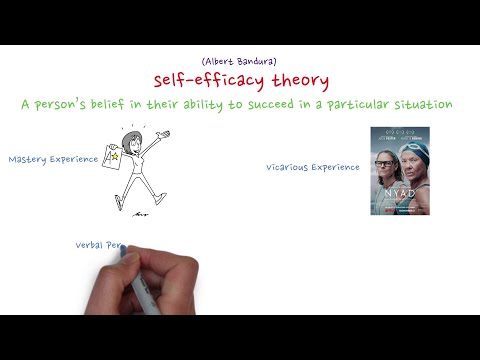
So, let’s chat about self-efficacy, shall we? It’s this cool concept developed by Albert Bandura that basically means how much you believe in your own ability to succeed at something. It’s like having that inner cheerleader that says, “You got this!” Bandura identified four main sources of self-efficacy. Let’s break them down.
- Mastery Experiences: This is all about your personal achievements. When you succeed at something, it boosts your confidence. Picture a kid learning to ride a bike. The first time he pedals without falling? That moment is like pure gold for his self-belief. Each small win builds him up for the next challenge.
- Vicarious Experiences: Here’s where watching others comes into play. When you see someone else succeed, it can inspire you too! Think of a student who watches her friend ace a math test. If she sees her friend do it, she might think, “Hey, I can do that too!” It creates this belief that if someone else can handle it, so can she.
- Social Persuasion: This one is pretty straightforward—it’s all about encouragement from others. Getting a pep talk from a parent or teacher can work wonders! Imagine a person preparing for an important presentation. If their colleagues say they’re going to nail it, they start feeling more pumped and ready to take on the stage!
- Emotional and Physiological States: How you feel physically and emotionally matters more than we realize! Stress or anxiety can really knock down your confidence. But feeling relaxed and excited? That’s the ticket! For instance, if someone has butterflies before giving a speech but then takes a deep breath and feels calm afterward, they’re way more likely to perform well.
So there you have it! These four sources—mastery experiences, vicarious experiences, social persuasion, and emotional states—are crucial in shaping how strong your self-efficacy is. They influence how we face challenges every day and ultimately help us grow stronger in our abilities! It’s amazing how our mindset plays such a big role in everything we do.
So, you know how you pick up new things just by watching others? Like, one time I was at a friend’s place, and she was trying to bake a cake. I totally didn’t know anything about baking, but I watched her mix the ingredients and pop it in the oven. When it came to my turn later, I found myself recalling her steps pretty easily. That’s kind of like what Bandura talks about with social learning.
Albert Bandura had this theory that if you see someone else do something successfully—like nailing a presentation or scoring a goal—you start believing you could do it too. That’s where self-efficacy comes in. It’s that little voice inside your head saying, “You got this!” or “No way, not for me.” If you see success often enough in others, it boosts your own confidence. You feel empowered.
But here’s the thing: not everyone grows up in an environment filled with role models who succeed. Think about kids who don’t get much support at home or maybe only see failure around them. They might struggle with self-efficacy because they haven’t seen what success looks like up close. It’s like standing on the sidelines of a game and never seeing anyone score a point; eventually, you start to think that winning isn’t for you.
Bandura also pointed out that learning doesn’t have to be all serious and textbook-ish. We can learn from our environment—our peers, family members, even characters in movies! Sometimes all it takes is seeing your friend try something challenging and crush it to spark that belief within yourself.
So really, social learning shapes us more than we realize. It creates pathways for self-efficacy by showing us what’s possible through observation. The more we expose ourselves to success stories—whether through personal connections or media—the more likely we are to believe we can achieve our goals too! It’s kind of comforting knowing we’re all connected in this journey of learning from each other, don’t you think?