You know those days when everything feels off? Like one minute you’re fine, and the next, you’re either super angry or just down in the dumps. Yeah, that’s emotional turbulence.
So, here’s the thing: it’s totally normal to feel a bit all over the place sometimes. But when it starts affecting how you behave, that’s where things can get tricky.
Ever had that moment where you said something you instantly regretted? Or maybe cried for no real reason? That’s what we call behavioral dysregulation. It can feel like being on a roller coaster without a seatbelt—kind of scary and definitely unpredictable!
Let’s unpack this together. I promise it’ll be interesting, and who knows? Maybe you’ll pick up a few gems to help navigate those wild emotional waves!
Effective Strategies for Managing Emotional Dysregulation: Tips for Calmness and Control
Managing emotional dysregulation can feel like riding a rollercoaster without the safety harness. One minute you’re fine, and the next, you’re all over the place. But hey, it’s more common than you might think! So let’s talk about some effective strategies that can help bring that sense of calmness and control back into your life.
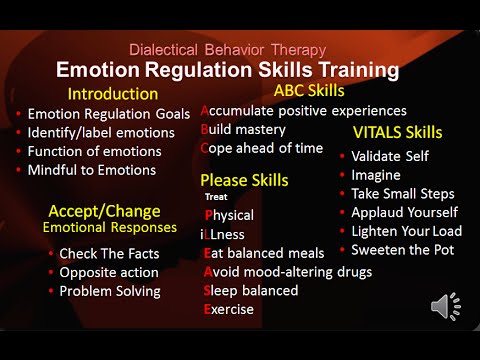
Understanding Your Emotions is the first step. When feelings come up, instead of pushing them away, try to recognize what you’re actually feeling. Is it anger? Sadness? Frustration? Take a moment to pinpoint your emotions without judgement. This helps create some separation between you and what you’re feeling, making it easier to deal with.
Another key strategy is mindfulness and deep breathing. You know how sometimes things get overwhelming? Just taking a few moments to breathe deeply can change everything. Inhale slowly for a count of four, hold for four, and exhale for another four. This simple practice signals to your body that it’s okay to chill out a bit.
In addition to breathing, grounding techniques can be super helpful when emotions hit hard. You might want to find something around you—like a chair or your feet on the ground—and focus on it. Describe in your mind what you see or feel about that object. It’s kind of like distracting yourself but in a healthier way!
Also, remember that writing can be an outlet. Keeping a journal where you jot down your thoughts or feelings allows you express yourself without any filters. It could be as simple as writing “I felt really angry today because…” This kind of expression not only releases pent-up emotions but also helps clarify how you’re feeling.
Another effective strategy involves self-soothing techniques. Think about what makes you feel good—taking a warm bath, listening to music, hugging a pet—find those little things that help calm your stormy seas! Sometimes taking breaks from stressful situations when possible works wonders too.
Speaking of breaks, give yourself permission to have “time-outs”. If tensions are high at home or work, step away for a moment—a walk around the block could do wonders! This space lets your brain reset and allows you time away from whatever was bothering you.
And don’t forget the power of sociability. Talking with someone who gets where you’re coming from can seriously lighten the load! Whether it’s friends or family members or even forums online—sharing experiences helps remind us we’re not alone in this.
Finally, make sure you’re getting enough rest and nutrition. Sounds basic but trust me on this one! Sleep deprivation and junk food can worsen our moods significantly. So try aiming for balanced meals and proper sleep as best as you can manage.
Overall managing emotional dysregulation doesn’t happen overnight; it takes practice and patience. But with these strategies at hand—you’ll find those turbulent feelings become much easier to navigate over time!
Understanding Emotional Dysregulation: Legal Perspectives and Implications
Emotional dysregulation is a term that gets tossed around a lot, but what does it really mean? Basically, it refers to the inability to manage or respond to emotional experiences in a healthy way. You might find yourself feeling overwhelmed by sadness or anger, and instead of dealing with it, you lash out at friends or shut down completely. It’s that feeling of being on an emotional rollercoaster where you just can’t find solid ground.
Now, let’s talk about the legal side of things. Emotional dysregulation can have serious implications in legal contexts. For instance, in court cases involving child custody or criminal defenses, courts often consider a person’s emotional state and their ability to regulate those emotions. If someone has a history of extreme emotional responses, it might factor into decisions about their parental rights or culpability for certain actions.
Here are some key points to keep in mind:
- Link to Behavior: Emotional dysregulation often leads to behaviors that can be problematic. Someone might react violently when angry due to their inability to manage that anger.
- Legal Relevance: Courts may take emotional dysregulation into account during trials. For example, if someone committed a crime in a moment of extreme distress and they have documented issues managing emotions, this could affect sentencing.
- Insurance Evaluations: When it comes to mental health claims or disability insurance, proving your emotional state can be crucial. Specialists often evaluate how well you manage emotions over time.
- Support Systems: Having reliable support systems can mitigate the effects of emotional dysregulation. Friends and family play critical roles in helping you navigate tough feelings without spiraling out of control.
Imagine someone named Jake who struggles with intense anger. One day at work, he gets criticism from his boss, and instead of calmly discussing it like most would do, Jake loses his temper and yells at everyone around him. Later on, he regrets his actions but feels like he couldn’t control himself in the moment. In legal terms, if this behavior leads to a workplace incident where others feel threatened or unsafe, Jake’s previous history may be what determines the consequences he faces.
It’s also interesting how different states handle cases where emotional regulation is a significant factor. Some jurisdictions might require psychological evaluations for those exhibiting severe emotional responses linked to legal issues. This means understanding how mental health can really sway outcomes in the courtroom!
In essence, understanding emotional dysregulation not only shines light on personal challenges but also reveals how those challenges ripple into broader social situations—especially legal ones. It raises important questions about responsibility: Should people who struggle with regulating emotions always be held accountable for their actions? How does the law recognize these struggles? Managing our feelings isn’t just personal; it’s deeply intertwined with society’s rules and expectations.
So next time you hear about someone getting into trouble due to their uncontrollable emotions remember—it’s not just about anger or sadness; it’s about defining boundaries within ourselves and navigating life’s complexities while keeping our cool (or learning how).
Understanding the Emotional Dysregulation Test: Insights and Implications
Emotional dysregulation is a pretty big deal. It’s when you find it hard to manage your emotions, which can lead to, I don’t know, some real ups and downs in your day-to-day life. So, the Emotional Dysregulation Test helps in figuring out just how well you’re handling your feelings.
One important thing about this test is that it’s designed to capture how you react under stress. For instance, think about that one time when you spilled coffee all over yourself before an important meeting. Some folks might just shrug it off and move on, while others could spiral into a full-blown panic attack or rage at themselves for being clumsy. That’s the kind of emotional rollercoaster the test looks into.
What does the test measure? Well, it digs into a few key areas:
- Response Intensity: How strong are your emotional reactions? You might cry at a sad movie or get super angry over trivial things.
- Response Duration: How long do those feelings last? Do you carry around that anger long after the coffee incident?
- Behavioral Control: Can you keep yourself from acting out when you’re feeling overwhelmed? Like, do you yell at people or throw stuff?
The implications here are pretty significant because understanding where you stand can help in making adjustments. If you’re finding that your responses are intense and prolonged, maybe it’s time to consider healthier coping strategies. This isn’t about labeling yourself but more about gaining insight into patterns that can change over time.
For example, if you realize you’re always getting triggered by small things – like being late or criticism – that’s an opportunity for growth. You might explore why those situations upset you so much. It could be tied to past experiences or specific stressors in your life.
Another crucial aspect of emotional dysregulation is its connection to behaviors not often seen as typical. People with these struggles may engage in self-harming behaviors or substance abuse just to cope with their intense feelings. Recognizing this link through tests like these can spark conversations about getting support or learning new skills.
On a more positive note, once you’ve got some insights from this test, there’s room for improvement! Think of it as taking inventory of your emotional toolbox. With the right tools—like mindfulness techniques or therapy—you can learn to manage those overwhelming feelings better.
Overall, understanding where you land on the spectrum of emotional regulation provides clarity on what steps could help improve your emotional health and overall well-being. It’s really about building awareness and making changes that lead to more balance in life!
Emotional turbulence can feel like being in a storm, right? You know, those moments when everything seems chaotic and overwhelming? It’s like trying to sail a tiny boat through massive waves—you’re just getting tossed around and can’t find your footing. When we talk about behavioral dysregulation, it gets even trickier. This is all about when emotions go haywire, leading to reactions that can be intense or out of proportion.
Think about a time when you felt super frustrated, maybe because you couldn’t find your keys or someone cut you off in traffic. Suddenly, little things blow up into huge deals. Emotional dysregulation is kind of like that, but on a different level. It’s not just an off day; it’s that feeling where everything feels so heavy or chaotic that it’s hard to manage your behavior.
When you’re experiencing this emotional storm—maybe from stress at work or issues in relationships—it can lead to acting out in ways you wouldn’t normally do. You might snap at someone over something minor or withdraw completely from social interactions because you’re just so overwhelmed. That’s where the real difficulty lies.
For instance, imagine a friend who was always the life of the party but suddenly became distant and irritable. You see them struggling, and you wonder why they can’t just shake it off and be themselves again. The thing is, there might be underlying emotional currents swirling around them that are hard to pinpoint—a past trauma, ongoing anxiety—that make them react differently than they used to.
So how do we tackle this emotional turbulence? Well, first off, recognizing what’s going on is key! It’s okay to admit you’re feeling off balance; that’s part of being human. Having conversations—whether with friends or professionals—can help shine some light on what feels murky inside.
And then there’s learning techniques for grounding yourself during those emotional whirlwinds. Simple things like deep breathing exercises or even taking a short walk can help calm the waters a bit when everything feels too much.
In the end, addressing these feelings doesn’t mean making them disappear altogether; it’s more about learning how to navigate through them without capsizing your boat—or whatever metaphor works for you! So embracing those turbulent moments as part of the journey might actually bring some clarity over time.