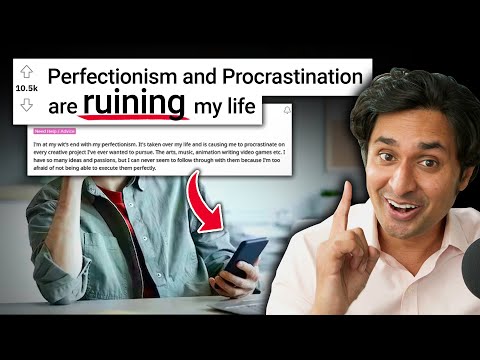
Failure. Just the word makes a lot of us cringe, right? It’s like this dark cloud hanging over our heads. Seriously, who wants to mess up?
But here’s the deal: fear of failure can really hold you back. It keeps you from trying new things or going after what you really want. And that kinda sucks!
Ever felt that pit in your stomach before starting something big? Like, the fear just creeps in and says, “You might fail.” Oof. I’ve been there too.
So, let’s chat about why this fear happens and what it does to us. Because understanding it is the first step to kicking it to the curb!
Understanding Fear of Failure: Psychological Insights and Implications
Fear of failure is something we all deal with, whether we admit it or not. It’s that little voice in your head saying you might mess up or disappoint yourself and others. This fear can really shape how you approach challenges. So, let’s break this down a bit.
What is Fear of Failure?
At its core, fear of failure is a deep-seated anxiety about not meeting expectations—yours or someone else’s. It can keep you from trying new things or pushing your limits. Like when you’re nervous about speaking in front of a group. Instead of sharing your thoughts, you hold back because what if no one cares?
Why Do We Fear Failure?
There are a bunch of reasons why people have this fear. For starters:
- Past Experiences: If you’ve failed before and it felt awful, it’s like getting burned on the stove—you’re gonna be careful next time.
- Perfectionism: Some folks feel they have to do everything perfectly. If it’s not perfect, it’s seen as a total fail.
- Social Pressure: Society paints success as the ultimate goal. When failure seems like the opposite, it’s scary, right?
Let me share a quick story—so there’s this friend of mine, who always wanted to be an artist but was too scared to show her work. She thought people would judge her harshly based on their standards instead of just appreciating creativity for what it is.
The Psychology Behind It
From a psychological standpoint, fear of failure ties into **self-esteem** and **self-worth**. When you tie your value to success at tasks or achievements, each potential setback feels like a personal hit.
Also, there’s something called «validation.» Many people seek approval from others. So if you mess up in front of friends or colleagues? That fear can be crippling because it might feel like losing their respect.
The Consequences
Living in constant fear of failing can lead to some pretty heavy stuff:
- Avoidance: You might skip opportunities altogether.
- Anxiety: The stress from worrying can manifest in physical ways—like sleepless nights.
- Lack of Growth: If you’re always playing it safe, you’re missing out on chances to learn and grow.
If my artist friend never stepped out and shared her work—even if just with one person—she might never know how freeing that can be.
Coping Strategies
So how do we deal with this pesky fear? Here are some ideas:
- Acknowledge It: Recognizing that you’re afraid is the first step.
- Redefine Failure: Try seeing failure as part of the learning process rather than something horrible.
- Tiny Steps: Start small! Take baby steps towards what you’d usually avoid.
By focusing on progress rather than perfection, you’ll find yourself more open to challenges.
In essence, understanding fear of failure isn’t just about what holds us back—it’s also about what could propel us forward if we learn to work through it! You know? Embracing those little bumps along the way often leads to unexpected paths we never imagined before!
Understanding Fear: A Psychological Perspective on Its Nature and Impact
Fear is such a powerful emotion, isn’t it? It can grip you like a tightening vice and make you feel small. There’s this thing called the **fear of failure**, and it’s one of those fears that plagues lots of people. It can stop you from trying new things or taking risks that could actually lead to growth. So, let’s break it down a bit.
What exactly is fear? It’s not just that feeling in your stomach when you’re about to give a presentation. Fear is an emotional response to a perceived threat, whether real or imagined. Your brain goes into overdrive; it’s gearing up for a fight-or-flight response. This reaction comes from an ancient part of our brain called the amygdala, responsible for processing emotions.
Now, take the fear of failure specifically. It’s like an unwelcome shadow that follows you around, whispering doubts and insecurities in your ear. Often rooted in childhood experiences, it can stem from criticism or overly high expectations from parents or teachers. You know how sometimes you’re so afraid to mess up that you don’t even try? Yeah, that’s fear at play.
The impact of this fear can be massive. Here are some ways it shows up:
- Avoidance Behavior: You might skip out on opportunities because you’re worried about failing at them.
- Procrastination: Instead of tackling that big project, you find yourself binge-watching your favorite series instead.
- Low Self-Esteem: Constantly fearing failure could lead to doubting your abilities and worth.
Think about it this way: imagine you’re really excited about trying out for a sports team but then get so scared of not making the cut that you don’t even go to the tryouts. That’s how powerful fear can be; it robs you of experiences.
To combat this fear, psychologists often suggest reframing your mindset. Instead of thinking “What if I fail?” try flipping it around: “What if I learn something new?” This shift can make all the difference! Plus, remember this feeling isn’t just yours; everyone experiences doubt and fear at some point—as they say, “The only thing we have to fear is fear itself.”
This whole cycle is not always easy to break, but recognizing what’s happening in your mind is a giant step forward. Embracing the potential for failure—seeing it as part of learning—can open up so many doors for personal growth.
In summary, understanding **fear**, particularly the **fear of failure**, can help us navigate life better than ever before. So next time you’re held back by that nagging worry in your head, just remember: everyone feels scared sometimes!
Exploring the Psychological Perspectives on Fear of Failure: Insights and Analysis (PDF)
Fear of failure is something that a lot of people deal with, and it can show up in different ways. You might feel anxious about taking risks or find yourself avoiding situations where you might not succeed. It’s kinda like standing at the edge of a diving board, knowing you want to jump but feeling frozen because you worry about belly-flopping into the water.
There are several psychological perspectives that can help us understand this fear better. One major viewpoint comes from **Cognitive Psychology**, which dives into how our thoughts affect our emotions and behaviors. Basically, if you think to yourself, «If I fail this test, I’m going to disappoint everyone,» it can create a huge weight on your shoulders. This kind of thinking leads to heightened anxiety and ultimately, avoidance.
Another perspective is rooted in **Behaviorism**. This approach looks at learned behaviors. For instance, if you failed at something in the past and felt a strong emotional response—like embarrassment or shame—you might be more likely to avoid similar situations later on. It’s kinda like getting burned by a hot stove; once it happens, you’re pretty careful not to touch it again!
Then there’s the **Humanistic Perspective**, which emphasizes personal growth and self-acceptance. From this angle, fear of failure often stems from feeling not good enough or fearing judgment from others. Imagine someone who really wants to perform in a play but holds back because they fear what friends will think if they mess up on stage. That pressure can stifle their creativity and confidence.
Another piece of the puzzle is **Social Learning Theory**. This theory suggests that we learn behaviors by watching others. If you’ve seen someone close to you fail and get criticized harshly for it, it’s natural for you to internalize that fear as well. It’s like witnessing your friend tumble off that diving board—after seeing them get hurt (emotionally), you might decide not to try jumping for yourself.
So what do we do about all this? First things first: acknowledging your fears can help reduce their power over you. You know how when light shines on something scary—like under your bed—it doesn’t seem so terrifying? That’s what awareness does; it brings those fears into the light.
Setting small goals is another great way to tackle this issue head-on! Rather than jumping off the high dive right away—or acing that test—try starting with smaller tasks that feel less daunting. Celebrate those wins! Each little success builds confidence.
In summary, understanding the psychological perspectives on fear of failure reveals how complex our feelings really are. By addressing those thoughts, behaviors, and social influences behind our fears, we pave the way for growth and resilience—kinda like learning how to dive without belly-flopping!
Fear of failure, huh? It’s something we all deal with at one point or another, whether it’s that gnawing feeling before a big presentation or the panic that creeps in when you think about pursuing a dream. This fear can be like this heavy backpack you carry around, weighing you down and making it tough to move forward.
So, let’s break it down a bit. You know, psychologists say that this fear often stems from childhood experiences and societal expectations. Remember that time in school when you flubbed an important exam? It feels like the moment sticks with you forever. Maybe you got some tough feedback from a teacher or even your parents, and suddenly your brain links failure to shame or disappointment. That creates this internal pressure that’s hard to shake off.
And what happens is we start avoiding situations where we might fail. Picture this: someone who’s been dying to try out for a play but holds back because they’re scared of not landing the role. Instead of embracing the chance to shine — or even just have fun — they choose safety over risk. But here’s the kicker: by avoiding failure, they also miss out on opportunities for growth and learning.
Take a minute to think about how society plays into this too. We’re constantly bombarded with success stories on social media, right? Everyone seems to be winning at life while you’re sitting there feeling like you’re stuck in neutral. It makes sense why the fear of failure runs rampant! You start comparing yourself to those picture-perfect moments and wonder if you’re good enough.
But let’s flip the script for a second! Failure isn’t just some dark cloud looming over us; it can actually be our best teacher if we let it. I mean, think about inventors or writers who faced countless rejections before hitting it big. Each failure taught them valuable lessons that ultimately helped shape their success.
So here’s the thing: trying to tackle this fear involves recognizing that failing doesn’t define who you are; it’s just part of the process. If you’re brave enough to step outside your comfort zone and take risks — even when your heart is racing — you’re already ahead of the game.
In short, acknowledging your fear can turn into an empowering choice rather than a paralyzing barrier. Embrace those moments when things don’t go as planned; there’s gold in them hills! It’s all about growth and learning, right?