You know those grey, gloomy days when you just can’t shake off the funk? Yeah, I’ve been there too. Sometimes, the weather seems to suck the joy right out of you.
Well, let me tell you—there’s more to it than just a case of the winter blues. It’s all about lighting! Seriously. The way we light our spaces can totally flip our mood.
Think of it this way: have you ever walked into a cozy café filled with warm light and felt instantly happier? That’s what I’m talking about!
So, let’s dig into how picking the right lighting can help us navigate those seasonal mood swings. Trust me, it might just brighten your day—literally!
Top Lights for Seasonal Affective Disorder: A Comprehensive Guide to Enhancing Mood and Well-Being
With the shorter days and less sunlight during the colder months, many people experience Seasonal Affective Disorder (SAD). It’s like your mood takes a nosedive when the sun hides away. One effective way to fight back against this seasonal blues is through light therapy. Let’s chat about what types of lights can help you boost your mood and support your well-being.
What is Light Therapy?
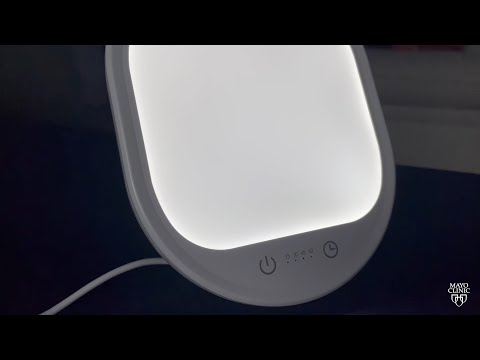
So, light therapy is basically using bright light to treat mood disorders, specifically SAD. You sit in front of a special lamp that mimics natural sunlight. It sounds simple, but it can really work wonders for a lot of folks.
Types of Lights for Effective Therapy
When it comes to choosing lights for managing those seasonal mood changes, here’s what you need to know:
- Bright White Light: A light box emitting at least 10,000 lux (which is super bright) can be great. This kind of light mimics the sun’s brightness without the harmful UV rays.
- Full-Spectrum Bulbs: These bulbs replicate natural sunlight closely. They’re known for their energizing effects and are often used in places like offices or homes where natural light isn’t abundant.
- Warm White Light: It creates a cozy atmosphere while still being effective at combating SAD. Looks can be deceiving; warm white might feel softer but still offers benefits.
- You Can Use LED Lights: Don’t overlook LED options! They’re energy-efficient and come in various colors and intensities. Some LED lamps are made specifically for mood enhancement.
The Science Behind It
You see, our bodies need light to produce serotonin, which helps regulate our mood. And when there isn’t enough natural sunlight, it can lead to lower serotonin levels and feelings of sadness or lethargy. That’s why introducing brighter lights into your life during dreary months can be so significant!
How to Use Light Therapy
It’s not just about having the right lamp; how you use it matters too! Here are some hints on that:
- The Best Time: Morning is usually when you want to do this. Aim for about 20-30 minutes right after waking up—even if it feels early!
- Distant from Your Eyes: Place the lamp about 16-24 inches away from your face but not directly in your line of sight. You don’t want to stare at it; just have it in your peripheral vision as you go about your morning routine.
- A Routine Helps: Make this a part of your daily habits during those darker months. Consistency gives better results!
Your Own Experience With Lighting
Imagine sitting by a bright window on a winter morning with sunshine pouring through—it feels great, right? That warmth lifts spirits almost instantly! If only every day could feel like that.
Consider how different lighting affects you personally too! Maybe soft lighting calms you while bright lights keep you alert—notice how each one impacts your emotional vibe.
To wrap things up, using artificial lighting effectively during those tricky winter months can truly help with Seasonal Affective Disorder. So explore different types of lights until you find what feels right for you! Your mood deserves that little bit extra sunshine, no matter how dark it gets outside.
Exploring the Impact of Light Color on Depression: Which Hue Offers Optimal Relief?
Light color has more power than we often give it credit for. You might think it’s just about how things look, but the truth is, certain hues can seriously affect your mood. And when it comes to depression or seasonal mood changes, the right light might just be what you need for a little boost.
First off, let’s talk about blue light. It’s often associated with feelings of calmness and can actually help improve alertness. Ever noticed how bright blue skies can lift your spirits? That’s no coincidence! Studies show that exposure to blue light can enhance serotonin levels, which is a key player in regulating mood. So, if you’re feeling down, surrounding yourself with cool blue tones might provide some relief.
On the other side of the spectrum, we have warm tones, like yellows and oranges. These colors tend to create a cozy and inviting atmosphere. Think about sitting in a room with soft yellow lighting on a chilly day—it feels comforting, right? Research suggests that warm lights may encourage relaxation and even stimulate feelings of happiness. They create that snug vibe which could help combat those winter blues.
But here’s where it gets interesting: green light. This one is often overlooked! Nature loves green; after all, it’s everywhere outside. Some studies indicate that green lighting can reduce anxiety and promote tranquility. Imagine being surrounded by a lush forest—pretty calming! If you can incorporate green hues into your space through plants or light filters, it could work wonders on your mood.
Red light is another player in this game but isn’t as straightforward as the others. While red can enhance feelings of warmth, it may also evoke strong emotions or irritability if overused. It’s perfect for creating a sense of urgency or excitement but maybe not your best bet when you’re seeking peace from depression.
- Blue Light: Boosts alertness and serotonin levels!
- Warm Tones: Create cozy vibes; think comfort food in color form.
- Green Light: Brings tranquility—nature’s favorite hue!
- Red Light: Can be energizing but might increase irritability—use sparingly!
You don’t have to stick to just one color either! Mixing different hues can create an atmosphere that feels right for you on any given day. If you’re having an especially tough time with seasonal changes, try playing around with color combinations until you find the mix that lifts your spirit.
The key takeaway here? Pay attention to how different colors make you feel in your environment—whether at home or in public spaces like cafes or offices. Your emotional response can guide you toward optimal lighting choices that help ease those seasonal mood shifts!
Kinda cool, huh? So next time you’re feeling a little down during those gray days of winter, maybe consider tweaking your lighting setup before reaching for other remedies! You might be surprised at how much better you feel just by changing up the hue around you.
Exploring the Efficacy of LED Lights in Alleviating Seasonal Depression: A Comprehensive Guide
Sure! Seasonal depression, or Seasonal Affective Disorder (SAD), can be a real drag. A lot of people find that as the days get shorter and the sunlight fades away, their mood takes a nosedive. Enter LED lights! You might be wondering how they could help. Well, let’s break it down.
What is Seasonal Depression?
SAD is a type of depression that comes around at the same time each year, usually in fall or winter when there’s less natural sunlight. You might feel moody, lethargic, or just not yourself.
How Does Light Affect Mood?
Light has this amazing ability to affect our brain chemistry. Sunlight helps your body produce serotonin, a chemical that boosts your mood. Less sunlight means less serotonin and more chances for sadness to creep in.
Why LED Lights?
LED lights can mimic natural light pretty well. They’re energy-efficient and long-lasting which is nice! But that’s not all; the light they produce can be adjusted for brightness and warmth, making it versatile for different needs.
How Do They Help with SAD?
When it’s gloomy outside, you can use LED lights to recreate sunlight in your home or office. Here’s how they work:
- Doses of Brightness: Using bright white or daylight-spectrum LEDs can trick your body into thinking it’s getting enough light.
- Regular Exposure: Spending about 20-30 minutes each day under these lights can help regulate your mood.
- Color Temperature: Look for bulbs with a color temperature around 5000K to 6500K as these are closest to natural daylight.
I remember this friend of mine who really struggled during the winters. She started using an LED light therapy lamp on her desk while working from home, and slowly but surely, she noticed an uplift in her mood and energy levels throughout the day!
A Few Things to Consider
Not all LED lights are created equal! Make sure you’re using ones specifically designed for light therapy if you want them to do their job effectively.
- Avoid Blue Light Excess: While blue light from devices has its benefits such as improving focus during daytime hours, too much exposure—especially at night—can mess with your sleep.
- Your Preferences Matter: Some people prefer warm lighting over cool lighting; find what makes you feel good!
In summary, if you’re feeling that seasonal slump coming on, consider investing in some good quality LED lights. They might just provide that little boost you need until spring finally rolls around!
You know how, sometimes, when the days get shorter and the weather turns grey, it feels like all your energy just dips? It’s not just you. A lot of people experience mood shifts as seasons change. One interesting way to tackle that is through lighting. It might sound simple, but light really plays a huge role in how we feel.
Think back to those chilly winter mornings when you’re stumbling out of bed, and it’s still dark outside. You know what I mean? The grey sky doesn’t exactly scream «let’s seize the day!» Well, here’s where your light choices can come into play. Say you start your morning with some bright, warm artificial lights instead of that gloomy overhead bulb—you might notice a little pep in your step.
And then there are those fancy light therapy lamps that folks talk about during the winter months. They simulate sunlight and can help boost serotonin levels—basically acting like an energy shot for your mood! I had a friend who swore by one of those lamps; she said it felt like having a mini sunrise every morning in her living room. The difference was pretty striking; she became more engaged and focused throughout the day.
But it’s not just about bright lights; it’s also about color temperature. Cooler lights can keep you awake and alert during work hours while warmer tones are super cozy for evenings at home—think movie nights or reading in bed. You might find mixing things up fun! Maybe try some softer bulbs in your bedroom to create a calm vibe when winding down.
The challenge is also considering natural light whenever possible! When you’re out and about, soaking up some sunlight during breaks can be so rejuvenating—like filling your batteries back up. And hey, if you’re stuck inside on those gloomy days? Well-placed mirrors or sheer curtains can help bounce whatever daylight there is around, making spaces feel brighter without any major renovations.
So yeah, lighting isn’t just about seeing; it’s also about feeling good! Tweaking it to fit seasonal changes could seriously help manage those mood dips we all face now and then. Who knew such small changes could make such a big impact?