Winter can be a drag, right? The days are short, the sun hides away, and suddenly you feel like a walking zombie. Seriously, I get it.
You might find yourself feeling down or just blah. It’s super common during those cold months. But what if I told you there’s a way to brighten things up?
Enter light therapy! Yep, it’s not some crazy science fiction thing. It’s a simple way to boost your mood and energy using bright lights.
Let’s dive into the best solutions out there that could help you chase those winter blues away! Trust me; you’ll want to hear about these.
Choosing the Best Light Therapy to Alleviate Winter Blues
Winter can be a tough time, right? The days are shorter, the sunlight is scarce, and many people find themselves feeling a bit down. This is often referred to as the «winter blues» or seasonal affective disorder (SAD). One way to tackle this is through light therapy. It’s like giving your brain a little boost when natural sunlight disappears.
When it comes to choosing the best light therapy for winter blues, there are a few key things to consider. First off, you want the right brightness. Light boxes should emit at least 10,000 lux of brightness. Lux is basically a measure of light intensity; more lux means brighter light. You’ll want something that mimics natural daylight as closely as possible.
Then there’s the type of light. You might see options like fluorescent, LED, or full-spectrum lights out there. Full-spectrum lights are often recommended because they provide a broad range of wavelengths similar to sunlight; this can be super beneficial for your mood.
Also, don’t overlook the color temperature of your light source! You’ll typically find around two main ranges: cool white around 5000K-6500K and warm white below that. While cooler temperatures can be invigorating and help you feel more awake, some folks prefer the cozier vibe of warm lights during darker months.
And let’s not forget about timing! It’s great if you set aside some time every day for light therapy—ideally in the morning to avoid messing up your sleep cycle. Just sit close to the lamp for about 20-30 minutes while you enjoy breakfast or read a book.
Here are some quick points to keep in mind:
- Intensity: Look for units that offer at least 10,000 lux.
- Type: Full-spectrum lights provide healthy benefits.
- Color Temperature: Choose one that matches your preference; cooler or warmer.
- Timing: Morning sessions work best—aim for 20-30 minutes daily.
- Safety: Ensure it has UV filters if you’re concerned about skin damage.
Imagine this: Sarah always felt sluggish during winter months and struggled with motivation. After starting her daily morning routine with light therapy—paired with coffee and her favorite podcast—she noticed she felt less tired and more energized throughout her day! Just a simple change made such an impact on her mood.
In summary, when selecting light therapy tools this winter, focus on brightness levels, type of light used, color temperature preferences, timing during the day, and ensuring safety features are in place. It might just brighten up those gloomy winter days!
Exploring the Benefits of Red Light Therapy for Alleviating Winter Blues
Winter can be pretty rough sometimes, right? The days get shorter, sunlight becomes a precious commodity, and many people start feeling a bit low. This slump isn’t just about feeling bummed; it’s often linked to what we call **Seasonal Affective Disorder** (SAD), which is like a seasonal form of depression. Now, red light therapy is popping up as an interesting way to help with that.
So, what’s the deal with red light therapy? Well, this method uses low-wavelength red light to penetrate the skin and possibly bring about some healing effects. You might be thinking, “How does this tie into winter blues?” Well, let’s break it down.
- Mood Enhancement: Studies suggest that exposing yourself to red light can boost your mood. It’s believed to influence serotonin levels—the happy hormone. Imagine waking up on a gloomy winter morning and feeling that little zap of positivity instead of dragging yourself out of bed.
- Energy Boost: Lack of natural light can make you feel sluggish and tired. Research hints that red light therapy might help improve energy levels by optimizing mitochondrial function in your cells—those little powerhouses that keep you going!
- Better Sleep: Winter nights are long, which can mess with your sleep patterns. Red light therapy may help regulate your circadian rhythm. So if you’re tossing and turning like I do sometimes during cold months, this might offer some relief.
- Pain Relief: If you’re dealing with physical discomfort on top of those winter blues—hello seasonal aches!—red light therapy has been linked to reducing inflammation and pain too. Less pain means more energy to tackle those winter activities you love—or at least like!
Here’s a little emotional story: I remember a harsh winter where it felt like the sun had just packed its bags for good! Days turned into weeks; I felt like I was stuck in a gray haze. A friend recommended trying red light therapy after I told them how hard it was getting used to the dark days. Honestly? It felt weird at first—but there were moments during those sessions where my body just seemed to relax and all the worries floated away for a bit.
Despite its potential benefits, it’s always good practice to talk things over with someone knowledgeable in health before jumping on any treatment bandwagon—you know? Not saying it’ll work for everyone since results can vary based on individual circumstances.
In conclusion—oops! Sorry about that—what I mean is look around and see if red light therapy could be an option worth exploring for those dreary winter days! Sometimes taking charge of your well-being starts with experimenting a little bit with new ideas.
Exploring the Impact of Light Color on Depression: What Science Reveals
Exploring how light color affects mood, especially in the context of depression, is pretty interesting. When winter rolls around and the days get shorter, many people feel a shift in their mood. You know that feeling when it’s all dreary outside? Yeah, that’s pretty common. But here’s the kicker: the color of light you surround yourself with can seriously influence your emotional state.
Light affects our brains more than we realize. Research shows that different colors can trigger various responses in our bodies and minds. For instance, blue light is known to increase alertness and boost mood. Think about those sunny days—when it feels like you’re getting a natural dose of happiness! Blue wavelengths can mimic daylight, helping to regulate our internal clock known as the circadian rhythm.
On the flip side, warm colors, like soft orange or yellow, tend to create a cozy atmosphere. They can make you feel relaxed or even nostalgic. Some studies suggest that these warmer hues might help combat feelings of sadness during gloomy months by promoting contentment and calmness.
Now let’s talk about light therapy. It’s become pretty popular for treating Seasonal Affective Disorder (SAD), which is a type of depression related to changes in seasons. Basically, in winter, when there’s less natural sunlight, some folks find themselves feeling down or sluggish. Light therapy lamps emit bright light similar to natural sunlight but without the harmful UV rays. Many people report improvements in their mood after consistent use.
In terms of color temperature—there’s this cool concept called Kelvin scale. It measures how “warm” or “cool” light appears. Lower Kelvin numbers mean warmer tones (think candlelight), while higher numbers bring out cooler shades (like daylight). Research suggests that using lights around 5000K – 6500K can effectively help with mood enhancement since they emulate daylight closely.
If you’ve ever walked into a room bathed in soft pinks or blues, you probably noticed how your vibe changed slightly! These colors weren’t just for aesthetics; they potentially influenced your emotions too. The point is: having varied lighting options at home could be a game changer for those tougher winter months.
Another fascinating aspect? Studies have shown that brighter environments with cooler light colors can lead to increased productivity and reduced feelings of fatigue! I mean, who doesn’t want to feel more energized all day long?
You might wonder if utilizing colored bulbs might also help lift spirits? Absolutely! Some folks have found success with colored LED lights as part of their routine during heavy winter months—for example, soft greens might soothe anxiety while vibrant yellows uplift the spirit!
To wrap it up—color matters when it comes to our mental well-being! Whether it’s embracing blue hues for an energetic boost or opting for warm tones to create comfort during darker times, it’s clear that lighting choices have potential impacts on depression levels and overall mood.
So next time you’re feeling those winter blues creeping in, consider adjusting the lights around you! It could make a world of difference in how you feel each day.
You know, winter can be a real drag sometimes. The days get shorter, it gets dark way too early, and honestly, it can feel like a never-ending gray blanket has been thrown over everything. I mean, we’ve all had those moments when you wake up to a gloomy day and just feel… bleh. That’s where the winter blues kick in for many of us.
I remember this one winter when I was just dragging myself through the days. Everything felt harder, and my energy levels were in the gutter. A friend mentioned light therapy, and I thought, “What do I have to lose?” So I looked into it – turns out, light therapy is basically like bringing in some sunshine indoors when all you’ve got outside is gloom.
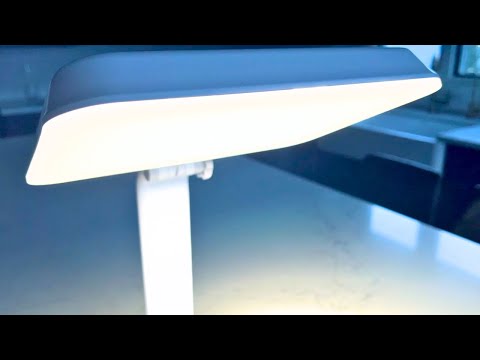
The idea is pretty simple: you use a special light box that mimics natural sunlight. The thought is that this helps your brain produce more serotonin – you know, that feel-good chemical? – and can really help lift your mood.
There are a few different types of lights out there – some are super bright and need to be used for about 20-30 minutes each day. Others are more mellow but still do the job. What’s cool is how people often say they notice a difference within just a few days of using them! It’s like flipping on a switch in your brain or something.
But hey, while light therapy isn’t gonna solve everything (it’s not magic), it can be a great tool to at least help brighten up those winter months. Plus, it feels good to take charge of your own mood!
So if you’re feeling down as winter rolls on in like an uninvited guest at a party, maybe consider looking into these light therapy options. You might just find that shining some light—literally—on the situation makes the cold season feel way more bearable.