So, let’s talk about personality traits. You know, those quirks and habits that make you, well, you? The Big Five is a cool way to break it all down.
Ever wondered why your friend is a total extrovert while you prefer quiet nights with a book? It all comes from these traits! Seriously, it’s like a personality roadmap.
These five biggies can help us figure out how we think and behave. And trust me, they’ll give you some insight into why people do what they do.
Stick around! We’re diving into what makes us tick. It’s gonna be fun!
Comprehensive Guide to the Big Five Personality Traits: Free PDF Download
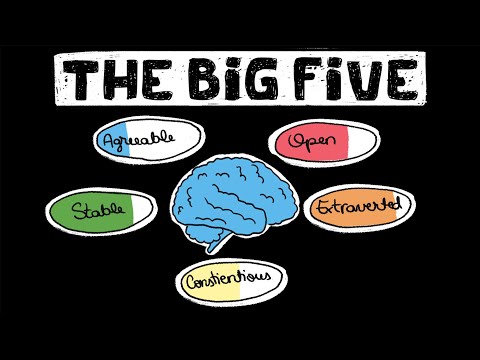
The Big Five personality traits, also known as the Five Factor Model, are a way of breaking down our personalities into five key dimensions. Each one helps explain how we think, feel, and behave in different situations. Here’s a closer look at what these traits are all about.
1. Openness to Experience
This trait involves how open-minded and imaginative you are. If you’re high in openness, you probably enjoy trying new things, whether it’s food, travel, or art. You like creativity and can think outside the box. On the flip side, low openness might mean you prefer routine and find comfort in familiar activities.
2. Conscientiousness
Conscientious people tend to be organized and dependable. If you score high here, you’re likely the one planning the group project or keeping track of deadlines. It’s about being disciplined and having a strong sense of duty. Those low on this trait may be more spontaneous but might struggle with consistency.
3. Extraversion
This trait is all about how energized you feel by social interactions. Extraverts tend to be outgoing and often enjoy being around people—think party planners or social butterflies! Introverts, however, might recharge by spending time alone or in smaller groups; they may find large crowds draining.
4. Agreeableness
Here we have a measure of how friendly and cooperative someone is. High agreeableness usually means you’re compassionate and willing to help others; it’s the trait that can make you a great friend or colleague! In contrast, folks who score lower might be more competitive or skeptical of others’ motives.
5. Neuroticism
This dimension relates to your emotional stability and how well you handle stress. People high in neuroticism often experience feelings like anxiety or mood swings more intensely. Low neuroticism means you’re generally calm and resilient when facing life’s challenges.
Each of these traits exists on a spectrum—so it’s not just about being “high” or “low.” You can have varying degrees of each trait that combine uniquely to shape your personality.
Understanding these traits can seriously help in several areas of life: relationships, work settings, or even personal growth! Knowing where you stand on each dimension gives insight into your behaviors and preferences.
So when it comes down to it—these Big Five traits are basically like a roadmap for understanding yourself and others better! And if you’re curious about diving deep into this topic with resources like PDFs for extra learning material? That’s honestly pretty cool for anyone looking to expand their knowledge on personality psychology!
Understanding the Big Five Personality Test: Key Legal Implications and Insights
Well, let’s talk about the **Big Five Personality Test**. It’s a popular way to understand something kinda crucial—our personalities. You know, understanding yourself and others can really change how we interact in daily life. But aside from just personal growth, there are some legal implications worth exploring.
The Big Five model breaks down personalities into five broad dimensions: **openness, conscientiousness, extraversion, agreeableness**, and **neuroticism**. Basically, these traits help paint a picture of who we are as people.
Openness refers to how flexible or creative someone is. Someone high in openness might be adventurous and open to new experiences, while a low score might suggest a more conventional attitude.
Then there’s conscientiousness, which dives into how organized or responsible you are. Think about someone who always makes their bed and keeps their desk clean—that’s high conscientiousness! If you’re more laid-back about your environment and tasks, maybe not so much.
Next up is extraversion. This one’s pretty straightforward—are you outgoing or reserved? An extravert is likely the life of the party; an introvert might prefer quiet nights at home.
Agreeableness reflects kindness and cooperativeness. A person scoring high here usually gets along well with others, but someone lower might be more competitive or confrontational.
Lastly comes neuroticism, which relates to emotional stability. High neuroticism means you might experience anxiety or mood swings more frequently than others.
Now onto those legal implications! Employers often use these tests for hiring decisions. If a company leans too heavily on personality tests without being cautious, they could face some serious legal pitfalls.
- Discrimination Claims: If it turns out that certain traits correlate with specific demographics (like age or race), using these tests could lead to lawsuits for discrimination.
- Lack of Validity: Courts may question if the test truly predicts job performance effectively. If not validated properly, employers could get into hot water.
- Privacy Issues: Employees may feel their personal data is being misused if tests dive too deep into personal thoughts or feelings.
In real-life situations, imagine applying for a job where they ask you to take a Big Five test—and you’re super conscientious but introverted. The employer might wrongly assume that because you’re not chatty in interviews, you wouldn’t fit well in their team dynamic. That’s where biases can sneak in.
So basically, while the Big Five Personality Test can offer insightful info about ourselves and our working styles, companies need to tread carefully when applying it professionally! Balancing insights with ethical practices is key here—after all, your personality shouldn’t be a deal-breaker in getting hired or promoted!
Understanding the Big 5 Personality Traits: Key Examples and Insights
The Big Five Personality Traits, often called the OCEAN model, offer a handy framework for understanding human personality. Think of it like a map that helps you navigate the complex landscape of traits we all have. Here’s a closer look at each trait, and what they mean for us.
Openness to Experience
This trait captures your willingness to embrace new ideas and experiences. People who score high on this spectrum tend to be imaginative, curious, and open-minded. For example, someone with high openness might love trying out new foods or exploring different cultures. On the flip side, someone low in this trait might prefer routine and be more resistant to change.
Conscientiousness
Conscientiousness is all about being organized, responsible, and dependable. If you’re the type who makes lists or loves sticking to a schedule, you likely score high here. A highly conscientious person might excel in their job due to their attention to detail and persistence. In contrast, someone low in this trait may struggle with responsibilities or procrastinate more.
Extraversion
Extraversion reflects how outgoing or social you are. If you thrive on social interaction and love being around people, congratulations—you’re likely high in extraversion! Think of someone who charges up at parties and loves meeting new folks. On the other hand, introverts might prefer quiet time alone or small gatherings with friends.
Agreeableness
This trait pertains to how compassionate and cooperative we are with others. High agreeableness means you’re likely kind-hearted and sympathetic—like that friend who always volunteers for community service projects. Meanwhile, those scoring lower may come off as more competitive or critical, emphasizing their own needs over others’.
Neuroticism
Neuroticism deals with emotional stability versus instability. Individuals high in this trait often experience mood swings and anxiety more frequently; they may worry about things that don’t seem too troublesome to others. Conversely, those with low neuroticism can manage stress well—they roll with the punches better!
In daily life, these traits play out in fascinating ways! Picture yourself at a dinner party:
- If you’re high in extraversion, you’re probably mingling happily.
- If conscientiousness is your strong suit, maybe you’ve ensured everything runs smoothly.
- Your agreeableness could lead you to help people feel comfortable.
- If openness drives you, you’re excited about discussing diverse topics!
- Your neuroticism level? That might determine how stressed you feel if there’s chaos around you.
Understanding these traits is cool because it helps us appreciate our differences. You might find that some friends fit into certain categories better than others—or maybe even see where you fall on each scale yourself!
These traits aren’t fixed like rocks; they can shift over time based on experiences or personal growth efforts! So keep reflecting on your own personality or those around you—it’s like holding up a mirror that reveals so much more than appearance!
So, let’s talk about the Big Five Personality Traits. You might have heard of them before, but what are they really? At their core, these traits help break down how we see ourselves and others. They’re kinda like a cheat sheet for understanding human behavior.
Picture this: you’re at a party. There’s that one friend who’s super outgoing and seems to know everyone—that’s extroversion kicking in. On the flip side, you got that quiet buddy who prefers to chill in the corner with a book—that’s introversion rearing its head. It’s all part of how we fit into the spectrum of personality traits.
Now, let’s get into these five traits a bit more. First up is openness to experience. This one’s about how adventurous or creative you are. Maybe you’re the person who loves trying new foods or diving into wild ideas without a second thought—big points for you! But then there are those who find comfort in routine and familiarity. Both types have their place, you know?
Next, we’ve got conscientiousness, which is all about being organized and dependable. Think of your buddy who always has their life together—never misses deadlines and plans things out weeks in advance. Then there’s someone like me who sometimes has a pile of laundry that could rival Mount Everest! Seriously though, it’s interesting how these tendencies shape our everyday lives.
Then we slide into the warmth of agreeableness. This trait dives into how compassionate or cooperative you are with others. Some folks just radiate kindness and want everyone to get along—think group hugs! Others might be more competitive or skeptical, which can totally be valid too—it just reflects different ways we interact with our world.
And then there’s emotional stability—or lack thereof—with neuroticism hanging around. This trait deals with how much emotional turbulence you experience day-to-day. Some people are pretty chill even when life throws curveballs; others might feel overwhelmed by stress way more easily.
Honestly though, it can be so enlightening to see where you fit on this spectrum—or where your friends do! I had this moment with my roommate during finals week last semester; she was practically painting her textbooks while I was having mini freak-outs over every little detail! Totally different approaches to stress!
So yeah, understanding these Big Five is like holding up a mirror not just to yourself but also to those around you. We all mesh together in this big tapestry of personalities—and knowing where everyone falls can help foster better relationships and even improve communication.
In the end, it’s all about accepting those differences and realizing that every personality brings something unique to the table—just like that mismatched puzzle piece that somehow completes the picture!