You know those times when you just click with someone? Or the moments when you really don’t vibe at all? Well, a lot of that comes down to personality traits.
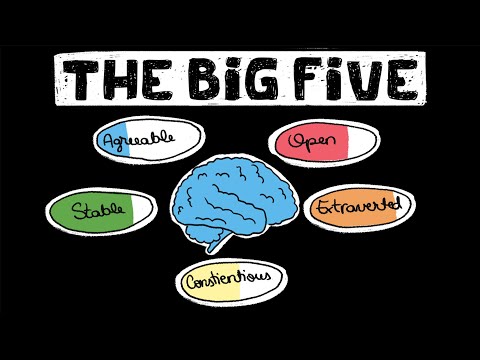
Ever heard of the Big Five? It’s like a roadmap for understanding what makes people tick. It breaks down personalities into five main traits: openness, conscientiousness, extraversion, agreeableness, and neuroticism.
I mean, think about it: some folks are adventurous and love trying new things. Others stick to their routines like glue. And then there are those who light up a room with their energy while some prefer the quiet corners.
These traits shape how we feel, think, and interact with each other every day. Let’s dive in and explore what these five big players really mean!
Understanding the Big 5 Personality Framework: Key Traits and Implications
The Big Five Personality Framework is a cool way to think about what makes us, well, us. It’s like having a map of personality traits that helps you understand how you and others tick. Basically, it breaks down personality into five key traits: Openness, Conscientiousness, Extraversion, Agreeableness, and Neuroticism. Let’s dig into each one.
Openness is all about how much you enjoy new experiences and ideas. People high in this trait are usually creative and curious. They might love trying out new foods or exploring different cultures. On the flip side, those low in openness tend to prefer routine and might feel uncomfortable with change.
Conscientiousness relates to how organized and dependable you are. If you’re the type who makes lists and generally keeps things tidy, you’re likely high in conscientiousness. It’s connected to being disciplined and achieving goals. But if you often lose your keys or procrastinate a lot, you might be lower on this trait.
Next up is Extraversion. This trait reflects how outgoing or reserved someone is. Extraverts thrive in social situations; they often feel energized by being around others. Think of someone who lights up a room at a party! Introverts, on the other hand, prefer quieter environments and need alone time to recharge their batteries.
Then we have Agreeableness. This one’s all about how compassionate and cooperative you are. High agreeableness means you’re generally trusting and get along well with others; maybe you’re that friend who’s always helping out or lending an ear when someone needs to talk. Those low in this trait may be more competitive or even confrontational sometimes.
Lastly, there’s Neuroticism. This trait deals with emotional stability—basically how well you handle stress or negative emotions. If someone has high neuroticism, they might experience anxiety more often than not; think of the friend who worries excessively about everything! Conversely, lower neuroticism indicates a more stable emotional state.
So what does this all mean? Well, understanding these traits can help improve your relationships—whether at work or with friends—and even assist in personal growth! You’ll start noticing patterns in behavior that make sense once you relate them back to these traits.
In everyday life, this framework helps explain why people act differently in situations. For example:
- If you’re planning a trip:
- A highly open person might suggest adventurous activities.
- A conscientious person could handle the logistics.
- An extravert would probably want group outings.
- A highly agreeable person might prioritize everyone’s preferences.
- A person with high neuroticism could worry about travel mishaps.
By looking at ourselves through the Big Five lens, we can better understand our own motivations as well as those of other people around us—it’s pretty eye-opening stuff! So next time you’re trying to figure out why your buddy flips out over little things while another refuses to try sushi—you know where to start looking!
Exploring the Big Five Personality Traits: Understanding Openness, Conscientiousness, Extraversion, Agreeableness, and Neuroticism
The Big Five Personality Traits is a super interesting framework that helps us understand human behavior. It breaks down our personalities into five core traits: Openness, Conscientiousness, Extraversion, Agreeableness, and Neuroticism. Let’s dig into each one a bit, shall we?
Openness is all about how imaginative and open-minded you are. If you find yourself constantly seeking out new experiences or ideas, you probably score high in this trait. People who are high in openness tend to enjoy art and culture and can be quite curious about the world. I remember my friend Sam—a total free spirit—who would travel spontaneously just because he heard about a cool festival somewhere. That’s classic openness for you!
Conscientiousness reflects how organized and responsible you are. If you make plans and stick to them or keep your workspace neat, you’re likely conscientious. Those with high levels in this trait usually do great in structured environments like school or work because they pay attention to detail and can manage their time well. This reminds me of my cousin Jane; she’s always got a color-coded calendar that would make anyone jealous!
Extraversion is all about where you get your energy from—people or solitude? Extraverts tend to thrive on social interaction; they’re often the life of the party! They may talk loudly, laugh easily, and seek out company. On the other hand, introverts gain energy from peace and quiet—think cozy nights with a book instead of wild parties! I used to be more introverted until I started stepping out of my comfort zone; it was eye-opening.
Agreeableness describes how friendly and cooperative you are with others. High agreeableness means you’re empathetic, warm-hearted, and trustworthy. Imagine someone who always puts others first; that’s often someone with high agreeableness! When my friend Mia volunteers at shelters without a second thought, it shows her kind heart.
Lastly comes Neuroticism, which deals with emotional stability versus instability. If you’re prone to anxiety or mood swings, you might score higher here. Those low in neuroticism usually handle stress better and feel more resilient when facing challenges. A buddy of mine used to freak out over small things but learned some coping techniques which really help him now—like taking deep breaths when feeling overwhelmed.
In summary:
- Openness: Imaginative, open-minded.
- Conscientiousness: Organized, responsible.
- Extraversion: Energized by social interaction.
- Agreeableness: Empathetic, cooperative.
- Neuroticism: Emotional instability vs stability.
Understanding these traits can really help us make sense of our own personalities—or even the quirks of those around us! It’s not just about fitting into a box; it’s more about realizing we all have different shades that make us unique individuals in this vast world we share together.
The Origin of the Big Five Personality Traits: Unpacking the Term’s Evolution and Significance
The Big Five personality traits, often called the OCEAN model, have become pretty much the standard way to talk about personality in psychology. But where do these traits come from? Let’s unpack that a bit.
First off, the **Big Five** comprise **Openness**, **Conscientiousness**, **Extraversion**, **Agreeableness**, and **Neuroticism**. You may have heard about these terms thrown around in conversations or even on social media! But you might be surprised to learn that they didn’t just pop up out of thin air.
The origin of this model dates back to studies done in the early 20th century. Researchers were interested in understanding how people differ from one another and how those differences can be categorized. Initially, personality was often thought of through a lens of traits like these weird four temperaments: sanguine, choleric, melancholic, and phlegmatic. But as psychology evolved, so did our understanding.
Around the 1950s and ‘60s, researchers like Raymond Cattell started using factor analysis—a fancy term for a statistical method—to sift through tons of data on personality descriptions. Cattell identified 16 key personality factors but later researchers felt this was a bit too much.
Then came researchers like Costa and McCrae, who essentially took the best parts of Cattell’s work but narrowed it down. They believed five traits could describe human personalities better without losing depth or nuance. This is where you start seeing the Big Five framework take shape.
So why does this matter? Well, each trait can help explain behaviors or tendencies in people. For example:
- Openness: If you’re curious about new experiences or enjoy trying different foods, you might score high here.
- Conscientiousness: This one’s all about being organized; think of your friend who has their life planned months ahead.
- Extraversion: If you’re that person who lights up any room and thrives on social interaction? Yup, you’re likely high on extraversion.
- Agreeableness: This trait relates to being compassionate; if you’re always thinking about others’ feelings, bingo! High agreeableness.
- Neuroticism: It’s pretty much about emotional stability; if things stress you out easily or make you anxious… well, that’s neuroticism for ya!
Each of these traits isn’t just a checkbox but rather exists on a continuum—so it’s not all black and white. You could be a little open-minded or super conscientious; it’s not just «yes» or «no.»
As research continued evolving, psychologists realized these traits had significant implications for various life aspects—like career choices or relationships! Seriously, knowing where someone falls on these scales can help predict their behavior in many situations.
Over time, more studies have come along verifying the Big Five across cultures and languages showing it holds up well globally. That means it speaks some universal truths about what makes us tick as humans!
By digging into our personalities with tools like the Big Five framework, we gain insights into ourselves and those around us. Pretty amazing when you think about how our quirks stem from something so fundamental! So yeah—this whole thing isn’t just academic jargon; it’s kind of central to understanding human nature itself!
Alright, let’s chat about the Big Five personality traits, yeah? You might’ve heard people mention stuff like being extroverted or conscientious. But this whole Big Five thing digs deeper into what makes us who we are.
So, imagine you’re at a party. There’s that one friend who lights up the room, chatting with everyone—yep, they’re probably high on extraversion. Then there’s another buddy who’s super organized, always has their life together—classic conscientiousness right there. It’s like this framework gives us a way to see where we fit in the grand social puzzle.
Now, breaking it down a bit further:
1. **Extraversion**: This is about how outgoing or reserved you are. Some folks thrive in crowds and love meeting new people (that would be me!), while others recharge by spending time alone. It’s all good!
2. **Agreeableness**: Here’s where it gets interesting! This trait looks at how much you care about getting along with others. Are you empathetic? Compassionate? Or do you keep your guard up and might be more competitive?
3. **Conscientiousness**: Like I mentioned earlier, this is all about being organized and responsible. People who score high tend to plan ahead and like structure in their lives.
4. **Neuroticism**: Okay, this one can sound a bit heavy—it’s all about emotional stability and how we handle stress or negative feelings. Higher scores mean more anxiety and mood swings; lower scores usually indicate a chill demeanor.
5. **Openness to Experience**: This is the creative side of things! If you love new experiences or trying out different foods (who doesn’t love sushi night?), then you’re likely high on this trait.
I remember a time when I took a personality test just for kicks—I thought it’d be fun! Turns out, it laid out some traits I didn’t even realize were part of me until I saw them written down like “you’re pretty open-minded” or “you can be a bit neurotic sometimes”. It hit home! And made me think about my relationships too; knowing what traits my friends lean towards helped me appreciate our differences more.
So yeah, these five traits help us understand ourselves—and each other—a little bit better. It’s kind of freeing to see that we’re all on this unique spectrum instead of fitting into some rigid box, don’t you think? Plus, once you identify where you stand on these traits, it can kinda help in personal growth and understanding how to navigate life with others around us.