You know how some people are just super outgoing while others are really chill? It’s like, everyone has their own vibe, right?
Well, that’s where the Big Five traits come in. They’re these five big personality dimensions that help explain why we act the way we do.
Imagine finding out what makes you tick and what drives your best friends. Pretty cool, huh? You might even see yourself in a different light.
So, let’s dig into this whole personality thing together. Trust me, it can be eye-opening!
Examining the Best Tests for Measuring the Big Five Personality Traits
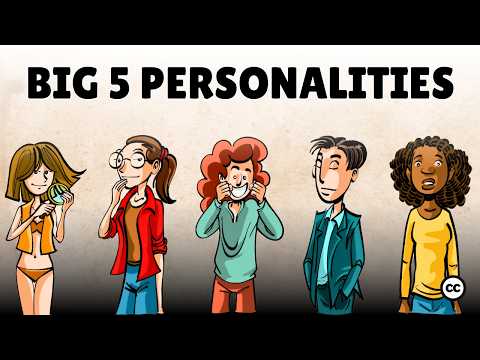
The Big Five Personality Traits are like the foundation of who you are. They give us a framework to understand personality on a broader scale. Think of them as five dimensions: Openness, Conscientiousness, Extraversion, Agreeableness, and Neuroticism. Each trait exists on a spectrum, and everyone falls somewhere on those lines.
When it comes to measuring these traits, there’s no shortage of tests out there. Some are super popular and widely recognized in psychology circles. Let’s break down a few of the most prominent ones:
- NEO Personality Inventory (NEO-PI-R): This is one of the gold standards for measuring the Big Five traits. It dives deep into each trait with sub-facets that provide more granular insights. For example, under Openness, you might find aspects like imagination or artistic interests.
- Big Five Inventory (BFI): This is shorter than the NEO-PI-R but still packs a punch! It offers a quick snapshot of where you stand on each of the Big Five traits without getting too bogged down in details.
- Five Factor Personality Test: Often found online and super user-friendly! This test asks straightforward questions and gives you results that can be pretty darn accurate for casual use.
- HEXACO Personality Inventory: Now this one adds another dimension—the Honesty-Humility trait—making it six instead of five! It’s interesting because it captures aspects like sincerity or fairness which some argue are crucial for understanding personality fully.
Now, you might be wondering why all these different tests exist if they’re all measuring pretty much the same thing. Well, it’s kind of like choosing between different coffee blends—some people prefer bold flavors while others go for something smoother.
Most tests vary in length and depth. Longer ones can provide more nuanced insights but may take up more time to complete—so yeah, there’s always that trade-off.
There’s also the concept of reliability and validity. You want to make sure that whatever test you’re using actually measures what it claims to measure consistently over time (reliability) and does so accurately (validity). Trust me; some tests have been scrutinized more than others in this regard.
Choosing a test often depends on what you’re looking for. If you want deep self-reflection or academic research purposes, go for something like NEO-PI-R or HEXACO. But if it’s just casual curiosity about your personality traits? A quick BFI or Five Factor test will do just fine!
In terms of application in real life: Imagine being able to identify someone’s extraversion level before entering a social setting with them! That insight could help guide conversations or collaboration styles at work or school.
So yes, understanding these tests helps not only in personal growth but also improves how we relate with others around us. The better we understand ourselves and each other based on these traits, the better our interactions can be.
All in all, there are many tools out there for measuring these Big Five traits; it just comes down to what suits your needs best!
Understanding the Big Five Personality Test: Insights and Applications in Legal Contexts
The Big Five Personality Test is one cool framework used to understand human personality. It breaks down personality traits into five big categories: Openness, Conscientiousness, Extraversion, Agreeableness, and Neuroticism. Each of these traits gives insights into how you think, feel, and behave.
So let’s unpack them a bit, shall we?
Openness is all about creativity and openness to new experiences. If you score high here, you might enjoy trying new things or engaging in artistic pursuits. Think of someone who loves traveling or experimenting with different cuisines—yeah, they probably rank high on this trait!
Conscientiousness refers to how organized and reliable someone is. If you’re a planner who meets deadlines, that’s a sign of a strong conscientious streak. In contrast, someone who’s more laid-back might score lower here. This one’s important in work settings where reliability matters.
Next up is Extraversion. This trait measures how social and outgoing you are. Extravagant folks love being around others, while those on the introverted side might prefer quieter settings with fewer people around. Picture the life of the party compared to someone who enjoys cozy nights with a book.
Then we have Agreeableness. This trait relates to being compassionate versus competitive. People who are high in agreeableness tend to get along well with others—they’re kind-hearted and empathetic. On the flip side, those lower in this trait might be more suspicious or even confrontational.
Last but not least is Neuroticism. This one gauges emotional stability; higher scores indicate more negative emotions like anxiety or moodiness, while lower scores suggest you’re generally calm and resilient.
Now why does all this matter? Well, in legal contexts, understanding these traits can be super useful! Here are some reasons why:
- Selecting Jurors: Knowing potential jurors’ personalities helps lawyers assess how they might perceive evidence or arguments during trials.
- Witness Credibility: A witness’s level of agreeableness could affect their perceived honesty during testimonies.
- Plea Negotiations: Personality can influence negotiation styles; understanding this can help attorneys approach discussions effectively.
- Courtroom Dynamics: Personalities play into interactions between lawyers, judges, and jurors—knowing these helps improve communication.
- Coping Strategies: Understanding someone’s neuroticism levels can inform how they might react under pressure during legal proceedings.
Imagine you’re picking a jury for a high-stakes case—wouldn’t it make sense to know which jurors are going to be more empathetic versus those who might lean toward skepticism? That insight could totally change your strategy!
In essence, the Big Five offers valuable insights for understanding not just yourself but also others around you—especially in settings where decisions about behavior matter most. Recognizing these traits allows for better interactions and ultimately leads to more informed choices in legal scenarios too!
Understanding the Big Five Personality Traits: Insights from Psychological Profile Analysis
Sure! Let’s break down the Big Five personality traits in a way that’s easy to grasp.
The Big Five, also known as the Five Factor Model, is like a framework that helps us understand human personality. It identifies five core traits that can describe how someone behaves, thinks, and feels. These traits are:
- Openness to Experience: This trait reflects how open-minded and curious someone is. People high in openness often enjoy new experiences and ideas. For example, they might love trying different foods or exploring new cultures.
- Conscientiousness: This one’s all about being organized and responsible. A conscientious person typically plans things out and works hard to achieve their goals. Imagine a student who always has their assignments done ahead of time; that’s likely someone high in conscientiousness.
- Extraversion: This trait measures how outgoing and social a person is. Extraverts tend to thrive in social settings, while introverts might prefer quieter environments. Picture a person at a party chatting enthusiastically with everyone versus someone who enjoys reading alone at home.
- Agreeableness: Think of this as your measure of kindness and empathy. People high in agreeableness are usually cooperative and compassionate. They’re the friends who offer support when you’re going through tough times.
- Neuroticism: This trait indicates emotional stability versus instability. Folks with high neuroticism may experience anxiety or mood swings more frequently than others. It’s like when stress hits you harder than usual; you might find yourself feeling overwhelmed or worried frequently.
These traits are like a spectrum, so everyone falls somewhere on each scale rather than fitting neatly into one category. For example, being highly extraverted doesn’t mean you can’t appreciate downtime; it just means you likely enjoy social gatherings more than others.
Now, why does this matter? Well, understanding these traits can help you make sense of your own behavior and those around you. It can improve relationships by giving insight into why people react differently in similar situations.
Think about it: if your friend is low on agreeableness and often says blunt things that hurt your feelings, knowing they’re naturally less empathetic might help you feel less offended personally.
Plus, employers often use these traits when hiring or forming teams because certain jobs may benefit from specific personality combinations—like needing conscientious folks for detail-oriented tasks or agreeable individuals for customer service roles.
So there you have it! The Big Five traits paint a broad picture of personality that impacts our lives daily—from friendships to work dynamics. Embracing them can lead to better self-awareness and understanding in our interactions with others, which is pretty cool if you ask me!
When we start thinking about personality, it’s like peeling an onion. There are layers, and sometimes it makes us emotional—like when that onion makes you tear up. You know? Like, why do we all feel so different, even when we share the same space or experiences? That’s where the Big Five traits come in, which are pretty fascinating if you ask me.
So let’s break it down a bit. The Big Five traits are openness, conscientiousness, extraversion, agreeableness, and neuroticism—quite the mouthful! Each one gives us insights into how people tick. Ever met someone who seems to dive headfirst into new ideas and experiences? They’re likely high on openness. I mean, I had a friend who would travel to the most random places on a whim. While I was busy overthinking every detail of my plans to visit my grandmother!
Then there’s conscientiousness. This one’s about how organized and responsible someone is. I remember working on a group project in college with someone who planned everything down to the minute—seriously impressive! Meanwhile, I was just trying to figure out if I’d had lunch yet. But hey! We balanced each other out.
Extraversion shows up as that bubbly energy some folks have at gatherings—like the life of the party! They thrive on interactions while others might prefer chilling at home with a good book. One of my best friends falls into this category; she can talk to anyone and make them feel like they matter in an instant! Kinda inspiring, right?
Agreeableness reflects how cooperative and empathetic someone is toward others. You probably know that person who’s always ready to lend a hand or listen to your problems without judgment. It’s comforting having those people around; they just make life feel a bit lighter.
And lastly, there’s neuroticism, which is all about emotional stability—or lack thereof sometimes! Some folks worry more than others or feel anxious easily. Like my cousin who stresses out before every family gathering—it’s kind of adorable but also tough for him sometimes.
The thing is, these traits aren’t boxes we check off; they exist on a spectrum. Most people fall somewhere in between extremes rather than fitting perfectly into one category or another. It makes sense when you think about it—we’re complex beings navigating our way through life’s ups and downs!
Understanding these personality profiles helps us grasp not just ourselves but also those around us better—a little empathy goes a long way in smoothing over misunderstandings in relationships or at work.
So yeah—you see what I mean? Psychology really shines when it comes to unraveling why we all behave differently while still being part of this giant human puzzle called life! It’s pretty neat when you think about how each trait contributes to our unique stories.