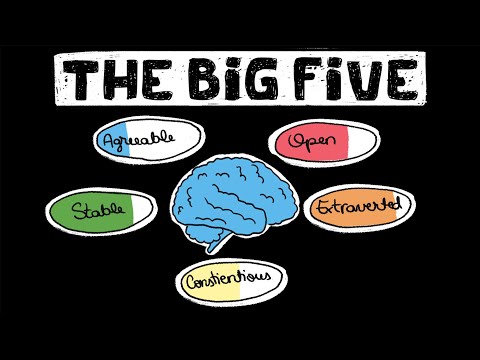
Hey! Let’s talk about something that shapes how we see the world: our personality. You know, those quirks and traits that make you, well, you? And guess what? There’s this cool thing called the Big Five Model.
It’s all about understanding the five broad dimensions that play a huge role in shaping your behavior and how you relate to others. Seriously, it’s like holding up a mirror to your soul.
Ever wonder why some folks are super outgoing while others are total introverts? The Big Five can help explain that!
So, get comfy. We’re diving into these personality dimensions and seeing how they affect everything from work to relationships. You’re in for a fun ride!
Understanding the Big Five Personality Test: Key Insights and Implications for Personal Growth
The Big Five Personality Test, also known as the Five Factor Model, is a popular way to understand our personalities better. It’s based on five dimensions: Openness, Conscientiousness, Extraversion, Agreeableness, and Neuroticism. Each of these traits gives you insights into how you think, feel, and behave.
Openness refers to your willingness to try new things. If you’re open-minded, you probably enjoy exploring new ideas and experiences. You know those friends who are always suggesting the latest restaurant or hobby? That’s them! On the flip side, someone low in openness might prefer routine and familiarity. For example, they could be perfectly happy sticking to their favorite burger joint instead of trying sushi for the first time.
Conscientiousness is all about being organized and dependable. High scorers tend to plan ahead, meet deadlines, and have a strong sense of duty. Think about that friend who always remembers your birthday—they’re likely high in conscientiousness! If you’re on the low end of this trait, you might find spontaneity more appealing than structure. But remember: while it can be fun to go with the flow, it can also lead to missed opportunities.
Extraversion. This trait highlights how outgoing or reserved you are. Extraverts get energized by social interactions; they thrive in groups and love meeting new people. You’ve probably seen them at parties lighting up conversations! Introverts, however, recharge from solitude or small gatherings—they might prefer a cozy night in with a book over a big party.
Agreeableness relates to how friendly and compassionate you are towards others. High agreeable folks usually prioritize cooperation over competition; they’re your go-to people for support when you’re having a tough day! If you’re lower on this scale, you might come off as more critical or competitive—but that doesn’t mean you’re heartless! Different personality traits have their own pros and cons.
Neuroticism. This trait measures emotional stability—if you score high here, you might experience mood swings or anxiety more often than others. We’ve all had days when everything feels overwhelming—that’s neuroticism at play! On the other hand, those low in neuroticism tend to handle stress calmly and with good humor.
- Use your insights for career planning: Knowing whether you’re extroverted or conscientious can help guide job choices that suit your style.
- Improve relationships: Understanding yourself helps in fostering healthier connections with others—like finding common ground with friends who differ from you.
- Your growth focus: If you’re aware of being high in neuroticism but want to manage stress better, awareness is step one toward change!
- Nurture strengths while addressing weaknesses: Maybe you’re great at creative brainstorming but need help organizing your tasks—recognizing this allows practical changes!
Understanding the Big 5 Personality Traits: Definitions and Real-Life Examples
The Big Five Personality Traits model is kind of like a roadmap for understanding what makes you, well, you! It breaks down personality into five key dimensions that can really help make sense of different behaviors and preferences. Let’s jump into each one and see how they play out in real life.
1. Openness to Experience
This trait is all about how open-minded and imaginative you are. People high in this dimension tend to be curious, creative, and appreciate new experiences. For example, let’s say your friend is super into trying exotic foods or loves visiting art galleries—you might say they’re high in openness. On the flip side, someone who prefers routine and sticks to familiar activities might score lower here.
2. Conscientiousness
Think of this trait as your inner organizer! Conscientious people are disciplined, reliable, and good at planning ahead. If you know someone who always has their homework done on time or keeps their workspace tidy, that’s a classic sign of high conscientiousness. In contrast, someone who forgets appointments or tends to procrastinate might not score as highly here.
3. Extraversion
Extraversion measures how outgoing or assertive you are. You can picture it like a spectrum: on one end are the social butterflies—those who thrive in group settings. Imagine someone who lights up a room when they walk in; they’re likely high in extraversion! On the other end are introverted types who recharge by spending time alone or prefer quieter environments.
4. Agreeableness
This one’s all about how friendly and cooperative you come across to others. High agreeableness means you’re often compassionate, trusting, and willing to help people out—like that friend who’s always ready to lend an ear during tough times. Those lower on agreeableness might be more competitive or skeptical of others’ intentions.
5. Neuroticism
Neuroticism refers to emotional stability—or lack thereof! People high in this trait may experience mood swings, anxiety, or feelings of sadness more frequently than those with lower scores. Think about someone who tends to worry a lot about small things; they could be higher in neuroticism compared to someone who’s pretty chill no matter what life throws at them.
In real life, these traits show up everywhere—from friendships to your workplace dynamics—and they can influence your relationships and choices more than you realize. Understanding where you fit on each dimension makes it easier to grasp why yourself—and those around you—act the way they do!
So next time you’re hanging out with friends or working with colleagues, remember these traits floating around the room! It opens up a way just think about why people behave differently—it’s all part of our unique personality landscapes!
Downloadable PDF Guide: Understanding the Big Five Personality Traits for Enhanced Self-Awareness
The Big Five personality traits, also known as the Five Factor Model, provide a solid framework for understanding yourself and others. Basically, these traits are Openness, Conscientiousness, Extraversion, Agreeableness, and Neuroticism. Knowing where you fit in these areas can really boost your self-awareness. Let’s break each one down so you can see how they play out in real life.
Openness: This trait is all about how open-minded you are regarding new experiences. If you’re high on openness, you probably love trying new things—like exploring different cuisines or diving into creative hobbies. On the flip side, if you’re lower on this scale, routine might feel super comforting, and you might prefer familiar surroundings over new adventures.
Conscientiousness: Think of it as your level of organization and dependability. People who score high here tend to be planners—always making to-do lists and meeting deadlines. Those low in conscientiousness? They might forget a few important dates or prefer a more spontaneous approach to life.
Extraversion: This is all about your social energy! If you’re extroverted, socializing fills your battery up—you probably enjoy being in large groups or at parties. Introverts, on the other hand, can feel drained by crowds and often find comfort in solitary activities like reading or spending quiet time at home.
Agreeableness: Here’s where we look at how compassionate or cooperative you are with others. A person high in agreeableness is likely very empathetic and seeks harmony within relationships—think of that friend who always mediates during arguments. Those lower on this trait may be more competitive or even skeptical of others’ intentions.
Neuroticism: This one relates to emotional stability. People scoring high in neuroticism may experience anxiety and mood swings more frequently than those who score low; imagine someone who tends to worry about outcomes constantly versus someone who’s pretty chill under pressure.
So why does all this matter? Well, understanding where you land on the Big Five can help you enhance your self-awareness dramatically! It’s like having a mirror that reflects not just who you are but also how that might affect your interactions with the world around you.
You could also look at it like a team sport: when everyone understands their strengths and weaknesses—like how agreeable someone is versus another’s conscientious side—it creates better communication and teamwork.
If you’re curious about where you fall within these traits, some online quizzes could give insight into your personality dimensions. Just remember—they’re not gospel truths but rather tools for reflection!
In summary: The Big Five gives us an easy way to think about personality differences without getting too complicated. It opens up conversations about what makes us tick as individuals while fostering self-growth along the way!
When you think about personality, it’s kind of like peeking into someone’s inner world. The Big Five Model is one of the most popular ways to break it down. It really simplifies things with five main dimensions: openness, conscientiousness, extraversion, agreeableness, and neuroticism. Seems straightforward, right? But each of these traits covers a lot of ground.
Let’s say you meet someone who is super chatty and loves being around people. That’s your extraversion shining through! Then there’s the person who prefers chilling at home with a good book—that would be lower on the extroversion scale and maybe leaning more towards introversion. These traits aren’t set in stone; they can shift depending on the situation or even how one feels that day.
I remember this friend of mine named Jake. He was always the life of the party—cracking jokes and dancing like no one was watching. You could spot him from a mile away just by his loud laughter! But sometimes he’d have days where he’d just want to stay in his room, binge-watch shows alone. That push-and-pull between wanting social interaction but also needing solitude? Totally relatable!
Then there’s openness, which is all about how curious or imaginative someone is. Some folks are adventurous, eager to try new foods or travel to exotic places, while others prefer sticking to familiar routines—you know those friends who order the same thing every time they visit a restaurant?
Conscientiousness? Well, think of it as your organized friend versus your free spirit buddy—one has their life together (you know those people who plan vacations six months in advance?), while the other might still be figuring out what they’re having for dinner tonight!
Agreeableness taps into how friendly or cooperative someone is. It can really shape our relationships too—those who score high tend to be more empathetic and understanding. I’ve seen this play out with my sister; she can diffuse tense situations just by listening and being kind.
And then there’s neuroticism—this one’s kind of tricky because it deals with emotional stability. Picture yourself worrying about everything from work deadlines to what someone thinks about your outfit—that’s high neuroticism at play! We’ve all had moments where we stress over little things; it’s part of being human.
What I find really interesting about these dimensions is that they interact in unique ways in each person. It paints a fuller picture than any single trait could provide! You might have a friend who’s highly agreeable but not very open to new ideas—it totally shapes how they experience life.
In essence, these five dimensions don’t box us in; instead, they offer clues about ourselves and others. Understanding them can help navigate friendships or work relationships better too! You start recognizing why someone reacts a certain way or why they struggle in specific situations.
So yeah, personality isn’t just black and white—it’s more like a colorful spectrum filled with nuances and layers that make every person distinctively themselves!