You know those people who seem to light up a room? Or the ones who can make you laugh no matter what? Yeah, personality is a big deal.
It shapes our relationships, our work, and even how we handle stress. But what really makes someone tick?
Well, one cool way to figure this out is through something called the Big Five framework. It’s like a personality GPS!
Think of it as diving into five key traits that help explain how we think, feel, and act. So let’s break it down together and see what makes you… well, you!
Understanding the Big Five Personality Test: Insights and Applications for Personal Development
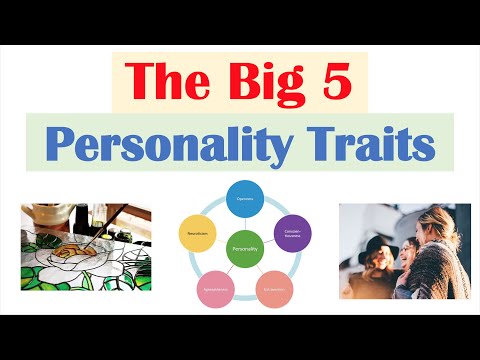
The Big Five Personality Test is a popular way to look at who you are. It breaks personality down into five big dimensions: openness, conscientiousness, extraversion, agreeableness, and neuroticism. Each of these traits can tell you a lot about how you think, feel, and behave.
Openness is all about your willingness to experience new things. If you’re open, you’re often curious and creative. You might love trying new foods or exploring different cultures. Think about that friend who’s always suggesting a trip somewhere unusual or trying out the latest trend – they probably score high on this trait!
Then there’s conscientiousness. This trait measures how organized and responsible you are. People who score high on conscientiousness tend to be good planners and like to follow through on tasks. Imagine someone at work who always meets deadlines and has their desk in perfect order – they likely have a strong sense of conscientiousness.
Extraversion is next. It describes how sociable, energetic, and outgoing you are. If you think of yourself as the life of the party or love being around others, then you’re probably high in extraversion. But if large groups wear you out and you enjoy time alone to recharge? You might be more introverted.
Now let’s talk about agreeableness. This trait reflects how much you care about getting along with others. Individuals who score high in agreeableness tend to be empathetic and helpful; they’re the friends that rally around when someone needs support or comfort.
Finally, we have neuroticism. This one measures emotional stability versus instability. A high score might mean you’re more prone to anxiety or mood swings – like feeling overwhelmed when things don’t go right.
Using this framework for personal development can be super beneficial! Here’s how:
- Self-awareness: Knowing where you fall on each dimension helps in understanding your behaviors better.
- Relationships: It can improve your interactions with others by highlighting areas where conflict might arise.
- Career choices: Understanding these traits can guide your career decisions—like finding work environments that match your personality.
- Personal growth: You can set goals based on your traits—like working on becoming more organized if you’re low in conscientiousness.
For instance, if someone realizes they struggle with neuroticism and get anxious often, they might explore techniques for managing stress or practice mindfulness.
So yeah, the Big Five isn’t just some test; it’s a lens through which we can view ourselves more clearly! By diving into these traits, we tap into insights that help us grow as individuals while navigating through life’s complexities—who wouldn’t want that?
Understanding the Big 5 Personality Traits: Key Examples and Insights
The Big Five Personality Traits is a framework that helps us understand ourselves and others better. Think of it as a map to navigate the colorful landscape of human behavior. This model breaks down personality into five core traits, and they can tell you a lot about how someone might act in various situations. Let’s dive into each one.
- Openness to Experience: This trait is all about how open-minded you are to new ideas and experiences. People high in openness tend to be imaginative and curious. For example, you might find an open person excited about traveling to unfamiliar places or trying out exotic foods.
- Conscientiousness: This trait involves being organized, responsible, and dependable. If someone scores high here, they probably keep a tidy planner and meet deadlines without too much stress. Imagine a friend who always remembers your birthday plans right down to the detail—that’s conscientiousness at work!
- Extraversion: Extraverts thrive on social interaction and often feel energized by being around other people. They’re usually seen as outgoing and enthusiastic. On the flip side, introverts—those scoring lower on this trait—tend to recharge alone or in quieter settings. Picture yourself at a party; if you’re the life of it, you might be high in extraversion!
- Agreeableness: This is all about how friendly and compassionate you are towards others. High agreeableness can mean being cooperative and empathetic; think of someone who always tries to see things from your perspective or who actively helps others without expecting anything back.
- Neuroticism: A higher score here indicates emotional instability or anxiety—basically, how easily someone might feel stressed or overwhelmed. If you’ve ever had days where everything feels like too much for no clear reason, that’s a touch of neuroticism showing its head.
Understanding these traits isn’t just for psychologists or researchers; it’s super practical for everyday life! For instance, knowing that an ex-partner was really high in neuroticism can help explain why small things turned into big fights.
Imagine you’re leading a project at work with folks scoring differently across these traits. Someone high in conscientiousness might take charge of planning while an extraverted team member boosts morale during tough times with their energy.
So basically, learning about the Big Five is like having this mental toolkit that lets us appreciate our differences more deeply while also improving our relationships—whether that’s with friends, family, or colleagues.
In personal growth terms? Recognizing where you stand on these traits can help highlight areas for improvement if you’re wanting to change certain behaviors or habits. Just knowing those tendencies can make interactions easier!
Overall, the Big Five helps break down the complex nature of human personalities into approachable chunks so we can connect better with ourselves and everyone around us!
Downloadable PDF Guide: Understanding the Big Five Personality Traits
The Big Five personality traits framework is a well-known model in psychology. It helps us understand the different ways people think, feel, and behave. Basically, it breaks down personality into five main traits: openness, conscientiousness, extraversion, agreeableness, and neuroticism. Each trait represents a spectrum, so you can be high, low, or somewhere in between.
Openness is all about how open-minded you are. People who score high on this trait tend to be curious and appreciate new experiences. They are often imaginative and adventurous. Think about that friend who’s always ready to try the latest food trend or explore a new hobby! On the flip side, those low in openness might prefer routine and traditional ways of thinking.
Conscientiousness reflects how organized and dependable someone is. High scorers are likely to be disciplined and good at managing their time. They often set goals and stick to them—kind of like that person who always plans events meticulously! Conversely, someone low in conscientiousness may be more spontaneous or even a bit careless in their approach.
Then there’s extraversion. This trait measures how sociable and outgoing you are. Extraverts thrive in social situations; they love being around people! They’re usually energized by interactions with others. If you know someone who lights up a room when they walk in—yep, probably high on extraversion! Introverts, however, might feel drained after too much socializing; they recharge by spending time alone.
Agreeableness involves how compassionate and cooperative you are towards others. Those with high agreeableness are friendly and eager to help out; they often avoid conflict because they value harmony. Picture that one friend who always listens to your problems without judgment—that’s them! In contrast, low agreeableness may mean being more competitive or skeptical; these folks may challenge ideas rather than support them.
Lastly is neuroticism, which gauges emotional stability. If someone scores high here, they might experience mood swings or anxiety more easily—you know that feeling when everything just feels super overwhelming? On the other hand, a lower score typically means a more stable emotional state overall; they handle stress like pros!
Each of these traits plays a role in shaping who we are as individuals—not just on paper but in daily life too! Understanding these could also help improve your relationships by recognizing differences between yourself and others.
So if you’re looking for personal insight—or perhaps trying to understand friends better—the Big Five can really shed some light! You can check out downloadable resources for deeper dives into each trait or even quizzes that let you see where you land on this spectrum.
In short, each trait offers valuable clues about personality which influence everything from career choices to friendships. So whether you’re figuring yourself out or just curious about those around you—and let’s face it—we all want a little clarity sometimes—embracing this model can really expand your understanding of human behavior.
You know, personality is such a fascinating thing to think about. I mean, we all have our quirks and traits that make us who we are. The Big Five Framework is one way to break all that down and really understand it better. It’s like a neat little toolbox for figuring out what makes you tick.
So, the Big Five consists of five main traits: openness, conscientiousness, extraversion, agreeableness, and neuroticism. Each one kind of paints a picture of different aspects of your personality. For instance, openness is all about how curious or creative you are. If you’re the type who loves exploring new ideas or trying out different hobbies—well, there you go!
Then there’s conscientiousness. Think of this as your inner organizer! If you’re detail-oriented and responsible, you’re probably scoring high in this area. But if you’re more laid-back and often forget where you left your keys—well, that’s okay too!
Extraversion? That one’s easy! If you thrive on social interactions and get pumped up by being around people, you’re likely an extrovert. On the flip side, if you’d rather recharge with a good book than hit a party? You might lean more towards introversion.
Agreeableness has to do with how friendly and compassionate you are towards others. Are you the first person to help out when someone’s having a tough day? Yeah, that’s high agreeableness right there!
And then we have neuroticism—this one can be a bit tricky because it relates to emotional stability. If you’re often anxious or moody? That could mean a higher score in this trait.
Let me share a quick story—a friend of mine once took this personality test just for fun. She always thought she was pretty spontaneous and easygoing until she saw her results—turns out she scored super high in conscientiousness! She was shocked at first but then realized why she always organized events perfectly while her friends were running late and scrambling about.
Understanding these traits can really help us improve our relationships or work better with others too. Because once you know where someone stands on this framework, it’s easier to figure things out together—like knowing when your buddy needs some space or when they’d rather hit up that new café downtown.
So yeah, the Big Five isn’t just some abstract concept; it’s super practical! It helps us appreciate our differences and gives us insight into ourselves and those around us. And let’s be honest—we could all use a little more empathy in our lives these days!