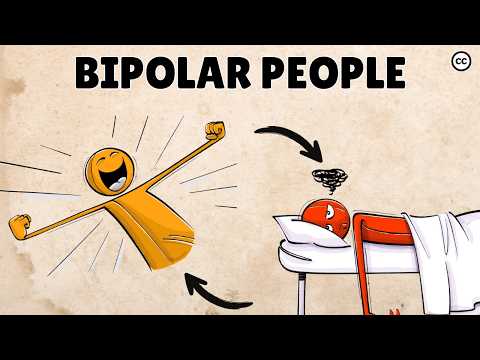
So, let’s talk about Bipolar 1 Disorder. It’s one of those things that can be super tricky to pin down. You know what I mean?
One minute, someone might seem on top of the world, full of energy and ideas. Then, just as quickly, they could spiral into a deep slump. It’s not just mood swings—there’s so much more going on under the surface.
Maybe you know someone like this or have even experienced it yourself. It can feel really confusing and overwhelming sometimes. But understanding the psychological features can really help bring some clarity to the chaos.
Stick around as we dig into what makes Bipolar 1 tick. You’ll start to see how it all connects!
Understanding Long-Term Remission in Bipolar Disorder: Insights and Implications
Bipolar disorder can be a real rollercoaster ride. You know, one moment you’re on top of the world, feeling invincible during a manic phase, and the next, you’re in the depths of despair with depression. But what’s fascinating is the concept of long-term remission. This isn’t just about feeling better for a little while; it refers to maintaining that stability over an extended period.
So, first off, let’s talk about what long-term remission means in the context of bipolar disorder. It generally suggests that someone has not experienced any significant mood episodes—either mania or depression—for a long time, often years. That’s pretty impressive! Imagine going through life without those extreme highs and lows. It opens up so many opportunities for healthier relationships, better work performance, and overall well-being.
Now, you might wonder how this is even possible. Well, there are several factors that contribute to achieving long-term remission:
- Consistent Treatment: One of the biggest keys is sticking to a treatment plan—this usually involves medication and therapy. For instance, mood stabilizers like lithium can help keep those manic episodes at bay.
- Self-Monitoring: Keeping track of your mood changes can make a big difference. Recognizing triggers early helps in managing or even preventing episodes before they escalate into full-blown mania or depression.
- Healthy Routines: Regular sleep patterns, balanced diets, and exercise can stabilize moods too. It may sound simple but maintaining these routines is vital.
- Support Systems: Relationships play a huge role! Having supportive family and friends can provide encouragement when things get tough.
Let me share an example that illustrates this well: Sarah had struggled with bipolar disorder for over a decade. After many ups and downs—like losing jobs during depressive episodes or engaging in risky behaviors when manic—she finally found a treatment combo that worked for her. With her psychiatrist’s help, she remained consistent with her medications and started journaling to track her moods. Over time, Sarah developed strong support from friends who understood her condition. Fast forward five years later: she’s been in remission!
But here’s where it gets interesting; people often think long-term remission means “cured.” That’s not entirely true! Even when someone is stable for years, they’re still at risk for future episodes due to various factors like stress or life changes.
And there are implications here too. Achieving long-term remission doesn’t just improve individual lives; it impacts families and communities as well. People who are stable tend to contribute positively to society—whether it’s through volunteering, pursuing careers, or simply being more present in their loved ones’ lives.
In summary? Long-term remission in bipolar disorder offers hope and shows us that stability is achievable with the right tools and support systems in place. While it may be an ongoing journey for some folks—it doesn’t mean they can’t find peace along the way!
Recognizing Bipolar Disorder: Key Signs and Self-Assessment Strategies
Recognizing Bipolar Disorder can feel a bit overwhelming, right? But understanding the key signs can really help you or someone you care about. So, let’s break this down simply.
Bipolar Disorder, especially Bipolar I, is marked by intense mood swings. You might experience **mania** and **depression**. Mania is like riding a roller coaster—one minute you’re at the top, feeling invincible, and the next you’re down in the depths of despair.
Key signs of mania include:
For example, imagine someone who suddenly decides to quit their job to start a new business without any plan. It might seem thrilling at first, but it could backfire terribly later.
On the flip side, signs of depression in bipolar disorder can be just as striking:
Think about a friend who used to love going out but now just stays home all the time and feels like nothing matters anymore. That’s a red flag!
Now, so you might be wondering how to actually assess if these moods are affecting your life significantly. One strategy is keeping a mood diary. Jot down how you feel each day—like whether you’re on top of the world one week but then crashing the next. Over time, patterns may emerge.
Another thing to consider is how these mood changes impact your daily life. Are they messing with school or work? Are relationships becoming strained? If yes, that could indicate something’s up.
Also remember that Bipolar Disorder doesn’t just affect moods—it can also impact cognition and behavior. You might notice extreme confidence during manic phases, making you think you’re unstoppable! But during depressive phases? It could feel like climbing out of a deep hole.
So when it comes down to it, recognizing Bipolar Disorder involves looking for those **dramatic shifts** in mood and behavior alongside reflecting on how they play out in your everyday situations. If this resonates with you or someone close to you—it might be worth chatting with a professional who can look deeper into it all.
Just remember: Understanding is key! It helps not only in recognizing what’s happening but also in finding ways to cope better when those waves hit hard again.
Top Foods to Support Mental Health in Bipolar 1 Disorder
Bipolar 1 disorder is a mental health condition characterized by extreme mood swings, from manic highs to depressive lows. Supporting mental health through diet can be super beneficial, you know? Certain foods can help stabilize moods and improve overall well-being. Let’s chat about some of those.
Omega-3 fatty acids are really important. They’re found in fatty fish like salmon and sardines. Omega-3s can help reduce mood swings and even lower the risk of depression. So, if you love sushi or a good fish fry, you might be doing your brain a favor!
Then there’s whole grains. Foods like brown rice, quinoa, and whole-grain bread provide slow-releasing energy. This means they keep your blood sugar steady, which can help prevent those rollercoaster feelings that come with bipolar disorder. Picture this: you eat a giant piece of cake—great for the moment but then you crash hard later.
Don’t forget about fruits and vegetables. Seriously, these are packed with vitamins and minerals that are super important for your brain health. Think leafy greens like spinach or kale; they’ve got folate, which is linked to better mood regulation. Plus, berries are loaded with antioxidants that might help combat inflammation in the brain.
Also, lean proteins, like chicken or beans, are key players too! They contain amino acids that help produce neurotransmitters—those little messengers in your brain that affect mood and emotions. So next time you’re planning dinner, consider adding some grilled chicken or lentils to the mix.
Another interesting point is staying hydrated with water. Dehydration can mess with your mood and concentration levels! So keep that water bottle handy—sip it throughout the day. You’ll feel more alert and balanced.
Moreover, pay attention to nuts and seeds. Walnuts, flaxseeds, or chia seeds are all great options. They’re rich in healthy fats and magnesium which could improve mood stability too! Just a handful as a snack can make a difference.
And let’s not skip out on dark chocolate. Yes! It contains flavonoids that may enhance mood by increasing serotonin levels in the brain—little happiness boosters right there! Just remember moderation is key here; it’s all about balance.
So yeah, maintaining an overall balanced diet plays a big role in managing bipolar disorder symptoms. Every choice counts! Eating well doesn’t mean giving up everything fun; it just means being mindful about fueling your body right.
Incorporating these foods into your daily routine might take some time but think of it as an investment into feeling better overall—you deserve it!
Bipolar 1 Disorder can be a real puzzle, to say the least. It’s not just about having ups and downs; it’s like riding a rollercoaster that never seems to stop. You might see someone who is flying high, feeling invincible one minute, and then crashing down into the depths of despair the next. So let’s break this down a bit.
Imagine your friend Jamie. One day she’s planning an extravagant vacation, convinced she can take on the world. She hardly sleeps and talks a mile a minute about all her plans, like she just discovered a secret energy drink or something. That’s called mania, and it’s one of the hallmark features of Bipolar 1 Disorder. It’s like someone turned up the volume on her emotions to eleven!
But here’s where it gets tricky—right after those high-flying moments can come a downward spiral into depression. Jamie might suddenly lose interest in everything she was excited about. It can feel heavy, as if a dark cloud follows her around, casting shadows over things that used to bring her joy. That stark contrast between mania and depression is what really defines this disorder.
Another aspect you’ll notice is how unpredictable it can be. One second Jamie’s at a party in full swing, and before you know it, she’s ghosting everyone for days on end because she’s feeling low again. This inconsistency isn’t just exhausting for her—it can also be tough for friends trying to keep up with these shifts.
You might think that recognizing these symptoms could help someone manage their life better or at least communicate how they’re feeling, but it’s not always so straightforward. There’s immense stigma that comes with mental health issues too; people sometimes don’t understand what bipolar disorder really means or how it affects someone’s mood swings.
But you know what? There are signs and patterns people start to pick up on over time—like increased energy levels followed by deep fatigue—and being aware of them can make a huge difference in getting support or treatment when needed.
So yeah, recognizing those features takes compassion—not only for those living with bipolar disorder but also for ourselves as we try to understand it better. It’s all about empathy and supporting our friends in their journey through those emotional highs and lows, right? At the end of the day, being there means more than having all the answers; it’s about understanding what they’re experiencing even when it feels overwhelming for everyone involved.