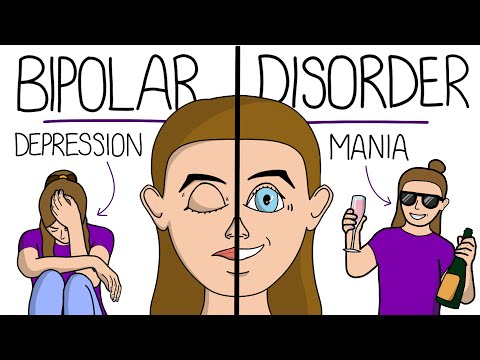
Bipolar 2, huh? It’s one of those topics that can totally spark a lot of curiosity. You might hear people toss around phrases like “mood swings” and think, “What’s the deal with that?”
Well, let me tell you, it’s not just about feeling happy one minute and sad the next. There’s so much more under the surface. It’s like an emotional rollercoaster with ups that may feel euphoric and downs that can be really heavy.
When you dig a bit deeper, you realize it involves a lot of intricate moods and emotional patterns. Just think about those moments when you’re on top of the world, then suddenly feel like you’re in a fog.
So, if you’ve ever felt mixed up about mood regulation or know someone who has, stick around! I’ve got some insights to share that might just shed some light on this complicated experience.
Understanding Mood Stabilizers for Bipolar 2: Efficacy, Options, and Considerations
Mood stabilizers are a big part of managing Bipolar II disorder. If you or someone you know is dealing with mood swings—from those lower lows to elevated moods—understanding these meds can be super helpful. So, let’s break down what mood stabilizers are, how they work, and some things to consider.
Efficacy of Mood Stabilizers
First off, the main goal of mood stabilizers is to help smooth out those emotional roller coasters. Unlike some other medications that might just tackle depression or mania separately, mood stabilizers aim for a more balanced approach. They help reduce the frequency and intensity of mood episodes.
Studies have shown that many people with Bipolar II can experience significant relief from depressive symptoms when using these medications. Of course, not everyone responds the same way; it’s so important to find the right fit for each individual.
Options Available
There are a few types of mood stabilizers out there:
- Lithium: This has been around forever and is often the first line of defense. It helps prevent both manic and depressive episodes.
- Anticonvulsants: Drugs like lamotrigine or valproate can also stabilize mood. These were originally designed for epilepsy but turned out to have benefits for bipolar folks too.
- Atypical Antipsychotics: While primarily used for schizoaffective disorders, meds like quetiapine or olanzapine can help stabilize moods in bipolar patients.
It’s pretty essential to have a chat with your doctor about which one might work best for you since everyone’s body reacts differently.
Considerations When Using Mood Stabilizers
Now, while these medications can be lifesavers, there are things to keep in mind:
- Side Effects: Just like any medication, there can be side effects—weight gain, fatigue, or gut issues chief among them. Keep an eye out for how your body reacts.
- Dosing Adjustments: It may take some time to find the right dose; that’s totally normal! What works early on might need tweaking later as your situation changes.
- Mood Changes: Sometimes people worry about feeling ‘flat’ or less emotional while on these meds. It’s crucial to find that sweet spot between stabilizing moods and feeling like yourself.
Imagine a friend who’s been struggling with intense lows followed by bursts of energy—like flipping a switch all the time! They start on lithium and notice they’re not feeling as low anymore; it feels more manageable! But then they mention feeling kind of muted when happy moments come along. That’s definitely something worth discussing with their doctor.
Managing Bipolar II isn’t just about medication though. Therapy could provide another layer of support alongside mood stabilizers. Cognitive-behavioral therapy (CBT), for instance, helps in identifying negative thought patterns and developing coping strategies.
In summary, understanding mood stabilizers is key in navigating Bipolar II effectively. It involves exploring options based on personal needs and keeping an open dialogue with healthcare providers about efficacy and side effects. Remember—it’s all about finding what works best for you on this journey toward stability!
Understanding the Frequency of Mood Swings in Bipolar II Disorder: Insights and Implications
Bipolar II disorder can feel like a rollercoaster ride. It’s marked by mood swings that range from *hypomania*—a milder form of mania—to deep depression. Understanding the frequency and intensity of these mood swings is crucial for anyone affected by the disorder or those who want to support them.
What are Mood Swings?
Mood swings are sudden changes in your emotional state. In bipolar II, these shifts can happen quickly but often follow certain patterns. One day you might feel on top of the world, bursting with creativity and energy, and then suddenly, you’re feeling heavy-hearted or hopeless. It’s like being on a seesaw that just won’t balance out.
Frequency of Mood Swings
For someone with bipolar II, the frequency of mood swings can vary significantly. Some people experience episodes that last days or weeks, while others might feel these shifts more often in a compressed timeframe. It really depends on individual circumstances, stress levels, sleep quality, and even life events.
- Hypomanic Episodes: These are more than just feeling good; they often involve increased energy levels, irritability, and distractibility.
- Depressive Episodes: This is where everything feels dark. You might feel empty or lose interest in things you once loved.
Imagine a time when a friend was buzzing with excitement about a new project one week but seemed totally withdrawn the next. That fluctuation can be tough to witness!
The Role of Triggers
Triggers play a significant role in mood swings. Stressful situations like relationship challenges or work pressures can send someone spiraling into a depressive episode after they’ve been hypomanic for some time. It’s kinda like being caught off-guard by an unexpected storm while you’re out enjoying sunny weather.
Managing those triggers is key. Things like maintaining regular sleep schedules and creating healthy routines can help stabilize moods significantly.
The Implications
Understanding these patterns isn’t just academic; it has real-life consequences for treatment and support systems. Knowing when to reach out for help or take proactive steps is vital for anyone with bipolar II disorder.
- Medication: Often plays a critical role in managing symptoms.
- Therapy: Talking through feelings helps process experiences during both highs and lows.
- Support Networks: Friends and family who understand what’s going on make such a difference.
For many people living with bipolar II disorder, learning about their symptoms leads to better overall management strategies. It’s important to remember that no two journeys are alike—each person has their own unique experience navigating these ups and downs.
Basically, if you or someone you care about is dealing with this condition, empathy goes a long way! Understanding the ins and outs helps create an environment where everyone feels supported rather than judged when moods fluctuate wildly.
Bipolar 2 Medication: Key Treatments, Efficacy, and Safety Considerations
Bipolar II disorder can be a real rollercoaster. If you or someone you care about is dealing with it, understanding the medication side is key. So, let’s break it down.
To start, Bipolar II is characterized mainly by mood swings that include periods of **depression** and milder episodes of **hypomania**. Unlike Bipolar I, where people can experience full-blown mania, the hypomania in Bipolar II isn’t as intense but still can impact daily life.
When it comes to treatment, a mix of medication and therapy usually works best. Medications are super important because they help stabilize mood swings and make life feel more manageable. Here are some common meds used for Bipolar II:
- Antidepressants: These can help lift you out of depression but need to be prescribed carefully since sometimes they can trigger hypomanic episodes.
- Mood stabilizers: Drugs like lithium or lamotrigine are often used to balance out moods and smooth out those highs and lows.
- Atypical antipsychotics: Medications like quetiapine or aripiprazole help in reducing mood fluctuations and controlling symptoms during depressive phases.
The tricky part? Finding the right combination takes time. It’s like dating—you go through some mismatches before finding your perfect match! The effectiveness of these medications varies from person to person, so patience is key.
Now, when we talk about safety considerations, there’s a lot to keep in mind. Every medication has potential side effects, right? With mood stabilizers, you might experience weight gain or even feelings of nausea at first. Some people also report cognitive slowdowns with certain meds which can be frustrating!
Monitoring is another big deal! Regular check-ups with your doctor are crucial for making sure everything’s working well without nasty surprises cropping up. Blood tests may be needed sometimes if you’re on lithium, just to ensure you’re within a safe range.
You know what’s really important? Communication with your healthcare provider! Don’t hesitate to share any weird feelings or side effects you’re experiencing. It’s all part of finding what works best for you—and maybe you’ll find something unexpected along the way.
In summary, managing Bipolar II often means navigating through different medications until you find the right fit for you. There’s no one-size-fits-all answer here; what’s effective for one person might not work for another. And that journey is just as important as finding stability in your moods!
Bipolar 2 can be a real rollercoaster, you know? It’s not just about mood swings; there’s a whole lot more happening beneath the surface. People who have this experience cycles of depression and hypomania, which, if you’re not familiar, is like a milder form of mania. Think of it as being super energized but still keeping your feet on the ground—at least most of the time.
I remember a friend who shared their journey with Bipolar 2. There’d be days when they’d feel down in the dumps, struggling to get out of bed or find motivation for even simple tasks. But then, out of nowhere, they’d have this burst of creativity and energy—like suddenly writing five songs in one sitting or planning an elaborate dinner party. It was inspiring but also confusing for them; one minute everything felt doom and gloom, then the next it was all color and excitement.
What’s tricky about this condition is that achieving balance feels like aiming at a moving target. The high energy during hypomanic episodes can feel great at first, but it can also lead to impulsive decisions or conflicts with others because it’s hard to tell when the excitement crosses a line. And then there’s the crash back into depression afterward—the stark contrast really takes its toll.
Society often misunderstands Bipolar 2 too. Many think it’s just “being moody” or having bad days—not realizing how profoundly it affects daily life. There are moments where someone dealing with this might seem totally fine; friends might think they’ve got it all together when actually they’re battling an internal storm.
The complexities in mood regulation come from how these feelings impact relationships and work-life. It’s about managing not just personal emotions but also navigating how others perceive those moods too. Sometimes people don’t know what to say or how to respond—they want to help but often don’t understand what’s going on inside.
In that sense, having open conversations about Bipolar 2 can make all the difference. Talking helps demystify what folks are feeling; sharing experiences creates spaces for understanding and support instead of judgment.
So yeah, while Bipolar 2 presents its challenges around mood regulation, it’s important to recognize the person behind those moods—their creativity, their struggles, their victories. Life gets complicated sometimes, but understanding each other can bring some clarity amid the chaos!