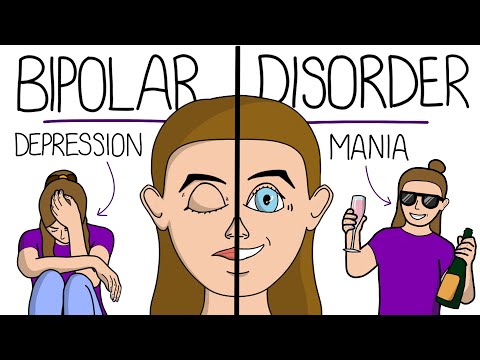
Hey, you know how life can feel like a rollercoaster sometimes? Up and down, twists and turns, right? Well, for people with bipolar disorder, that ride can be a little more intense.
Imagine feeling on top of the world one moment and then sinking into a deep valley the next. It’s wild. That emotional swing is what makes understanding bipolar disorder so important.
But it’s not just about the emotions themselves; it’s also about how they affect daily life—relationships, work, everything. So let’s dig into this emotional spectrum together and see what it’s really like for those living it day by day. You ready?
Understanding the Progression of Bipolar Disorder: Factors Contributing to Worsening Symptoms with Age
Bipolar disorder can be a tricky ride, and understanding how it evolves over time is super important. You see, it’s not just about experiencing highs and lows; it’s also about how those highs and lows might change as you age. So, let’s break it down a bit.
1. Natural Aging Process
As you get older, your body goes through changes. Hormones fluctuate, energy levels shift, and even your brain chemistry alters slightly. This can affect mental health significantly. For someone with bipolar disorder, these changes could mean a worsening of symptoms or even different patterns. It’s like your brain’s already complex wiring gets even more tangled as time goes on.
2. Stress Accumulation
Life throws challenges at everyone—job stress, relationship issues, health problems—and they don’t just disappear with age! For people with bipolar disorder, accumulating stressors can contribute to more intense episodes or frequency of mood swings. It’s like piling rocks in your backpack; eventually, that weight becomes too much to bear.
3. Lack of Support
As people age, they might find that their support systems dwindle. Friends move away or pass on; family dynamics shift dramatically over the years. Feeling isolated can exacerbate feelings of loneliness and despair in someone already grappling with bipolar symptoms.
4. Comorbid Conditions
Another factor is the likelihood of developing other mental health issues alongside bipolar disorder as you age. Conditions like anxiety disorders or depression often tag along for the ride and can amplify existing symptoms of bipolar disorder.
5. Medication Changes
Aging often requires adjustments in medication—different doses or entirely new prescriptions due to side effects or interactions from other conditions popping up over time. These changes may cause new challenges for managing bipolar symptoms.
Example: Think about someone who has been on medication for years but suddenly has to switch due to heart issues or diabetes developing later in life; that transition period can be especially rough!
6. Lifestyle Changes
Your lifestyle choices play a huge role in managing any mental health condition! Aging can bring about less physical activity or changes in diet which could worsen mood swings or increase depressive episodes if not tended to properly.
It’s crucial to understand that while bipolar disorder often follows a certain pattern through life stages, it doesn’t mean you’re doomed to experience worsening symptoms as you get older! Awareness is key here—recognizing the potential factors at play helps create strategies for better handling those ups and downs.
In summary: Recognizing how **biological**, **psychosocial**, **environmental**, and **lifestyle factors** intertwine is essential in understanding the progression of bipolar disorder as you grow older—it’s all part of the emotional spectrum that makes up this complex condition! So staying proactive about mental health while embracing support systems is really important as we navigate through life’s twists and turns together!
Understanding the 7 Types of Bipolar Disorder: A Comprehensive Guide
Bipolar disorder is a fascinating yet complex mental health condition that can take on various forms. When we talk about the «seven types of bipolar disorder,» it’s important to understand that not all of them are widely recognized in clinical practice. But breaking them down can help you see how this emotional spectrum really works.
Bipolar I Disorder is maybe the most known type. It involves at least one manic episode lasting at least seven days, or one so severe it requires hospitalization. You might also experience depressive episodes, which can last for weeks. Picture someone who goes from feeling like they can conquer the world one moment to feeling deep sadness and fatigue the next.
On the other hand, Bipolar II Disorder tends to be a bit milder. This includes at least one major depressive episode and at least one hypomanic episode—think of hypomania as a kind of cheerful energy that doesn’t reach full-blown mania. You get those ups but without the extreme risks that come with full mania.
Then there’s Cyclothymic Disorder, or cyclothymia, where people experience periods of hypomanic symptoms and periods of depressive symptoms over at least two years in adults (or one in kids). While these moods aren’t as severe as those in Bipolar I or II, they can still impact daily life significantly.
Another variation is Other Specified Bipolar and Related Disorders. This category is for cases that don’t quite fit into the aforementioned types but still involve significant mood changes. Maybe someone has had short episodes of mania without meeting all criteria for hypomania or experienced rapid cycling—a term used when mood shifts happen quickly over a days or weeks.
Bipolar Disorder Not Otherwise Specified is similar but used when there’s not enough information available to make a better diagnosis. It’s essentially a catch-all when specific patterns aren’t clear yet.
Some folks also experience Rapid Cycling Bipolar Disorder, which involves having four or more mood episodes within a single year. Talk about emotional whiplash! It’s like being on a rollercoaster every few months—sometimes even weeks—where both mania and depression come in quick succession.
Lastly, we have what you might call Mixed Episodes. In this case, symptoms of both mania and depression occur simultaneously or within short periods. Imagine feeling extremely energetic but also deeply sad—it’s confusing and exhausting!
Understanding these different types helps demystify bipolar disorder a bit! Each type affects individuals differently, emphasizing how unique each person’s experience can be with this condition. The range of emotions involved really showcases why seeking understanding and support is super important!
Understanding the Causes of Bipolar Disorder: A Comprehensive Guide
Bipolar disorder is like a rollercoaster ride that you never signed up for. One minute you’re on a high, feeling unstoppable, and the next, you’re in the depths of despair. Understanding what leads to these extreme emotional shifts can be tricky, but there are some key factors to consider.
Genetic Factors play a massive role. If someone in your family has bipolar disorder, you might be more likely to experience it too. It doesn’t mean you’re guaranteed to get it, but the risk definitely increases. Think of it like inheriting eye color—it’s not a certainty, but the chances are higher.
Brain Structure and Functioning is another piece of the puzzle. Studies have shown differences in brain chemistry and structure in people with bipolar disorder compared to those without it. For example, certain neurotransmitters like serotonin and dopamine might not function as they should, leading to those emotional swings.
Then there’s Environmental Triggers. Life events like trauma or significant stress can trigger episodes. Imagine dealing with a major loss or going through a tough breakup; such events can push someone into a manic or depressive state if they’re predisposed to bipolar disorder.
Hormonal Changes can also mess things up. Fluctuations during puberty or even changes related to pregnancy can trigger symptoms for some individuals. It’s like throwing a wrench into an already delicate machine.
Another important factor is Cognitive Patterns. People with bipolar disorder often have negative thought patterns that can influence their mood swings. For instance, when feeling down, they might dwell on their failures more intensely than someone who doesn’t have this condition—making it harder for them to bounce back.
In essence, understanding these causes is vital not just for diagnosis but also for managing life with bipolar disorder. It’s not just about one thing but rather an intricate web of factors affecting how emotions fluctuate.
Staying aware of these causes might help you or someone you know navigate this challenging emotional spectrum better, leading towards finding healthier ways to cope or reach out for support when things get tough.
Bipolar disorder isn’t just about the ups and downs that people often talk about. It’s like being on a wild emotional rollercoaster that takes you through some really intense highs and crushing lows. Imagine feeling on top of the world one minute, filled with energy and creativity, only to crash down a few days later into deep sadness or despair. It’s an exhausting experience, both for the person living it and their loved ones.
When someone experiences a manic phase, they might feel invincible. They could be bursting with ideas, doing things they wouldn’t normally do—like staying up all night working on a project or taking spontaneous trips. This feeling can be exhilarating but can also lead to risky behaviors. I remember a friend who, during one of her manic episodes, decided to fly across the country on a whim just because she “felt” like it. It sounded fun at first, but looking back, she realized she wasn’t really thinking about the consequences.
Then there are those depressive episodes that hit like a ton of bricks. Everything feels heavy—getting out of bed can be an impossible task. You might lose interest in things you once loved or feel utterly alone in a crowded room. I have seen how even small things—like getting dressed or making dinner—can become monumental challenges for someone going through this.
What’s fascinating yet heartbreaking is how these emotional swings aren’t just black-and-white experiences; they can blend together too. A person may feel irritable instead of pure euphoria in manic phases or experience sadness that isn’t exactly complete hopelessness but still weighs heavily on their heart.
And let’s not overlook how it affects relationships! Friends and family might struggle to understand these changes, leading to frustrations and misunderstandings. Sometimes the person with bipolar disorder feels isolated because explaining what they’re going through is tough—even more so when words fail them during those extreme phases.
Ultimately, understanding bipolar disorder means recognizing that it’s not just about the mood swings; it’s about navigating this whole emotional spectrum that runs from soaring highs to crippling lows—and everything in between. Being supportive means being there for the highs and helping catch someone during those devastating lows without judgment or frustration.
It’s important to approach this topic with compassion—remembering that behind each mood swing is a person who is trying their best to make sense of their emotions in a world that sometimes feels way too chaotic.