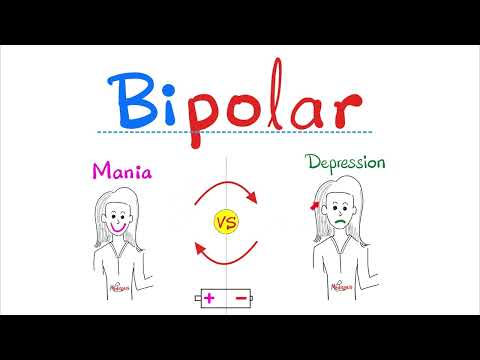
Hey! So, let’s chat about bipolar disorder. It’s one of those things that can sound super complicated, but it’s really just about mood swings.
You know, like when you’re feeling on top of the world one minute and then, bam! You’re in a slump the next? That’s part of it.
But what’s interesting is this thing called mania. It’s like being on a wild rollercoaster ride—thrilling but sometimes a bit overwhelming.
Whether you’ve experienced it yourself or know someone who has, understanding these ups and downs can really help make sense of it all. So, stick around!
Understanding Bipolar Thinking: Insights into the Mind and Emotions of Those with Bipolar Disorder
Understanding bipolar thinking is like peeking into a whirlwind of emotions and thoughts that can shift unexpectedly. Imagine riding a roller coaster, where sometimes you’re soaring to great heights and other times, you’re plummeting down. Bipolar disorder is all about those extremes.
Let’s break it down. People diagnosed with bipolar disorder experience intense mood swings that go beyond the usual ups and downs. We’re talking about episodes of mania and depression. During a manic phase, someone might feel invincible, with racing thoughts and boundless energy. It’s like their mind is a firework show—bright, loud, and difficult to control! They may take on too many projects or make impulsive decisions without thinking them through.
But hold on; this isn’t just fun and games. Mania can lead to serious consequences. For instance, someone might spend a lot of money they don’t have or lash out at loved ones in ways they wouldn’t normally do. The thrill often comes crashing down into an abyss known as depression, which is like the other side of that coin.
In this depressive phase, everything feels heavy. Thoughts get cloudy—like looking through foggy glasses—and even everyday tasks can seem monumental. People might withdraw from friends or feel hopeless. It’s hard to imagine what that feels like unless you’ve been there.
What’s fascinating—and also challenging—is the way these shifts can influence thinking patterns. During mania, the brain becomes supercharged; everything seems possible! Ideas flow freely, but they may lack a grounding in reality. You find yourself believing you can become a rock star overnight or start an incredible business without any actual experience.
On the flip side, during depressive episodes, negative thought patterns creep in—a sense of worthlessness can wrap around you like a heavy blanket. You might start believing horrible things about yourself that aren’t true at all.
So why do these dramatic changes happen? Partly due to genetic factors combined with environmental triggers—stressful life events, sleep disruptions—they all play their part in flipping the mood switch.
To wrap your head around it better:
- Bipolar disorder involves extreme mood fluctuations.
- Mania leads to inflated self-esteem and rapid thoughts.
- Depression brings feelings of sadness and hopelessness.
- The brain’s chemistry plays a major role; neurotransmitters get out of balance.
Although honestly living with bipolar disorder is no picnic—it’s important to remember that many people successfully manage their symptoms over time through various strategies like therapy or medication. It’s all about finding what works best for each person while fostering understanding among friends and family too!
So yeah, diving into the minds of those with bipolar disorder reveals not just struggles but also strengths in navigating life’s roller coaster ride!
Understanding Bipolar Disorder Symptoms in Women: Key Insights and Recognitions
Bipolar disorder can be a complex ride, especially for women. It’s a mental health condition that shifts you from extreme highs to devastating lows. You might’ve heard it called manic-depressive illness, and that’s pretty spot on. The symptoms can vary quite a bit, but let’s break it down.
When we talk about the manic phase, you know, that’s when things get wild. You might feel invincible, like you can conquer the world! Your energy levels skyrocket, sleep becomes less important (like, who needs sleep anyway?). You may have racing thoughts, making it hard to concentrate on just one thing. And let’s not forget about impulsivity—think shopping sprees or saying things that come to mind without a filter.
Now, switching gears to the depressive phase. This is where the weight of the world seems to crash down on you. You might feel an overwhelming sadness or emptiness—not exactly what you’d call a fun time. It can get even tougher because women are often dealing with hormonal fluctuations throughout their lives—like during menstruation or menopause—which can intensify these feelings.
Here are some key points about symptoms specific to women:
- Emotional Symptoms: Women may experience more intense emotional swings than men. Things like sudden crying spells or irritability can pop up.
- Cognitive Symptoms: Fuzzy thinking is common; it’s like trying to see through foggy glasses.
- Physical Symptoms: Fatigue and changes in appetite often play a role too, adding another layer of complexity.
The cool thing is understanding these symptoms helps in finding effective ways to manage them, right? But here’s something crucial: diagnosis isn’t always straightforward. Women sometimes get misdiagnosed with conditions like depression or anxiety first—given those overlapping symptoms. It’s definitely not fun having your experiences brushed aside.
An example I think captures this well involves Sarah—a fictional character who could easily represent many real women out there. When Sarah was at her manic peak, she planned three big parties all in one week and felt unstoppable! But soon after? She hit such a low that getting out of bed felt like climbing Mount Everest.
So what do we do with all this info? The first step is recognizing those signs and seeking support from mental health professionals who understand bipolar disorder deeply—not just the basics.
Awareness and education around bipolar disorder in women are key. It empowers you to advocate for yourself or someone else dealing with it—because every detail matters in understanding this intricate disorder!
Exploring the Causes of Bipolar Disorder: Understanding Risk Factors and Triggers
Bipolar disorder, right? It’s one of those things that can really shake up someone’s life. There are these intense mood swings, from extreme highs (that’s the mania) to deep lows (think depression). But what actually causes it? Well, let’s break it down a bit.
First off, you gotta know that bipolar disorder often runs in families. If someone in your family has it, there’s a higher chance you might too. It’s like having a little extra risk factor just because of your genes. Imagine you’re at a family gathering and notice how some relatives might have similar mood swings or behaviors—it’s not just coincidence.
Then there are brain structure and chemistry factors. Your brain has these chemical messengers called neurotransmitters. When they’re out of whack, it can lead to mood disorders. For instance, if dopamine levels spike too high during manic episodes, you might feel invincible one moment but crash down hard later on. It’s like riding a roller coaster that you didn’t sign up for!
Another piece of the puzzle is stress. Life can throw some major curveballs at us—like losing a job or going through a breakup—and for someone with bipolar disorder, this stress can trigger episodes. Picture this: you’re juggling work deadlines while dealing with a tough breakup; for someone with bipolar disorder, this could seriously send them spiraling into mania or depression.
Environmental factors also play a role. Think about your surroundings—things like trauma or major life changes. Maybe something traumatic happened when you were younger, and that experience could set the stage for developing bipolar symptoms later in life.
Now let’s talk about substance abuse. Sometimes people turn to drugs or alcohol as a way to cope with their emotions or to feel better during that low phase. Unfortunately, this can make everything worse by triggering more extreme mood swings.
Another trigger is sleep patterns. Ever notice how not getting enough sleep really messes with you? Well, it’s particularly true for those with bipolar disorder. If your sleep gets disrupted or you’re pulling all-nighters, that can kick off mania faster than you’d think.
Finally, let’s not forget about the impact of hormones. Hormonal changes throughout different stages of life—like puberty or menopause—can influence mood and may contribute to the onset or worsening of bipolar symptoms.
So yeah! There are so many intertwining factors that contribute to bipolar disorder; from genetics and brain chemistry to stressors in life and environmental influences. Each person is different though! Understanding these causes helps us make sense of what someone experiencing this goes through every day.
Bipolar disorder can sound super complex, but, really, it’s all about mood swings. Imagine you’re on this wild roller coaster where at one moment you’re up in the clouds, feeling invincible and full of energy, then suddenly—bam!—you crash down to this dark place where getting out of bed feels like climbing a mountain. That’s kind of what living with bipolar disorder is like for many people.
Now, the “up” part is often referred to as mania. And let me tell you, mania can feel amazing! When you’re in that state, everything seems clearer—ideas pop into your head like fireworks. You might feel hyper-creative and ready to take on the world. There was this time my friend who has bipolar disorder told me about a week-long binge of painting and writing songs at 3 a.m., feeling like she was touched by genius. It’s exhilarating!
But here’s the thing: while mania can seem like a party, it isn’t all sunshine and rainbows. Sometimes it spirals out of control. You might engage in risky behaviors or make decisions that don’t really fit into your usual self’s playbook—like spending a ton of money or saying things without thinking them through. It’s like when you’ve had one too many cups of coffee and just can’t stop talking your brain off; only it lasts for days.
Then comes the other side—the depressive episodes—which can hit just as hard after the highs of mania. This contrast is what makes managing bipolar disorder tricky because it feels so unpredictable. Each person’s experience is different; some might not even hit those extremes but stay in this gray area that doesn’t quite match up with how they used to feel.
Understanding why mania happens is a big puzzle piece in managing bipolar disorder. Sometimes it’s tied to changes in sleep patterns or stressors in life; other times it just sneaks up without much warning at all. It’s an ongoing journey for those who live with it—and for their loved ones too—to find ways to cope and create some sort of balance.
So yeah, when we talk about bipolar disorder and mania, we should remember it isn’t just about mood swings—it’s also about understanding what those feelings mean and how they shape someone’s life experience. It’s crucial for friends and family to lean in with empathy instead of judgment because you never know when someone is riding that wild roller coaster behind closed doors.