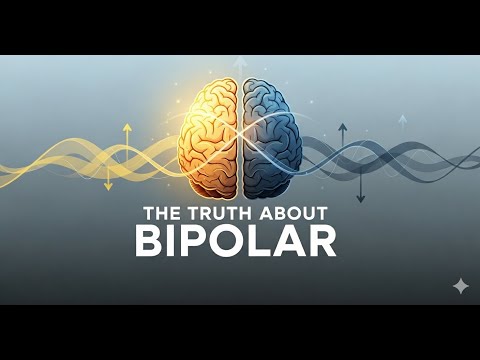
You know, mental health can be a pretty confusing topic. There’s so much info out there, and honestly, it can feel overwhelming.
Take bipolar disorder and borderline personality traits, for instance. They often get mixed up, and that’s totally understandable. Both can really shake up your emotions and how you deal with relationships.
Imagine feeling super high one minute—like you’re on top of the world—and then crashing down low the next. Or, like, struggling to keep your friendships steady because of intense mood swings. It’s tough stuff!
So let’s unpack this a bit together. You’ll see how these conditions are unique but also share some similarities. Buckle up; it’s going to be an interesting ride!
Comparing Bipolar Disorder and Borderline Personality Disorder: Understanding the Differences and Challenges
Bipolar Disorder and Borderline Personality Disorder (BPD) can be pretty confusing, right? They both deal with mood swings, but they’re actually quite different in many ways. Let’s break it down!
Bipolar Disorder is mainly about extreme mood changes that shift over time. You might feel on top of the world during a manic phase, full of energy and ideas. But then, just as quickly, you can crash into a depressive state where everything feels heavy and dark.
On the other hand, Borderline Personality Disorder is a bit different. The mood swings can also be pretty intense but often happen in reaction to interpersonal dynamics or stressful situations. It’s like one minute you’re feeling okay about your friendships, and the next, something small sets off feelings of abandonment or anger.
Now, let’s look at some key differences to really clarify this:
- Duration of Mood Changes: In bipolar disorder, mood episodes can last days to weeks or even months. With BPD, moods swing more rapidly—sometimes within hours.
- Triggers: Bipolar episodes tend to come out of nowhere or can be triggered by stress or sleep issues. BPD moods are often triggered by relationships or social situations.
- Self-Image: People with BPD often struggle with an unstable self-image. They may see themselves as good one moment and terrible the next. In bipolar disorder, self-image issues aren’t as common.
- Behavioral Responses: In BPD, behaviors might get impulsive in response to emotional pain—like reckless spending or unsafe relationships. With bipolar disorder, these impulses are often linked to manic phases.
Let’s say you’re friends with someone who has bipolar disorder; they might have periods where they’re super chatty and upbeat for weeks before heading into a darker phase where they don’t want to talk at all. A friend with BPD might text you frantically about feeling abandoned if you don’t reply within five minutes!
There’s also the issue of treatment which varies between both disorders. For bipolar disorder, doctors typically focus on stabilizing moods using medications like mood stabilizers or antipsychotics. In contrast, therapy plays a huge role in treating BPD—especially dialectical behavior therapy (DBT), which helps people manage emotions and improve relationships.
Both conditions have their challenges—living with either requires patience and understanding from loved ones too! It’s essential to recognize these differences so that support systems can provide the right type of help.
So yeah, while there are similarities between Bipolar Disorder and Borderline Personality Disorder—in how intense feelings show up—they each have distinct characteristics that shape how they affect daily life and relationships!
Bipolar Disorder vs. Borderline Personality Disorder: Key Differences and Chart Comparison
Bipolar Disorder and Borderline Personality Disorder (BPD) can be really confusing, especially since they share some symptoms. But they are actually pretty different when you dig in. So, let’s break down the key differences.
First off, Bipolar Disorder is mainly about mood swings that range from extreme highs (mania or hypomania) to serious lows (depression). For example, when someone is in a manic phase, they might feel super energized and talk a mile a minute. In contrast, during a depressive episode, they could feel hopeless and maybe even lose interest in things they once loved.
On the flip side, Borderline Personality Disorder involves intense emotions and unstable relationships. People with BPD often struggle with their self-image and experience extreme emotional responses to events or even perceived slights. For instance, you might feel ecstatic one moment after getting a compliment and then sink into feelings of emptiness if your friend cancels plans.
Now let’s hit some key differences between the two:
- Mood Patterns: Bipolar disorder has clear episodes of mania and depression that last days or even weeks. BPD has more frequent mood changes within a day or hours.
- Causes: Bipolar disorder often has a genetic component, whereas BPD usually links back to trauma or unstable environments during childhood.
- Self-Image: In BPD, identity issues are common; folks might struggle to know who they really are. With bipolar disorder, self-image issues aren’t typically prominent.
- Relationships: People with BPD may have intense but unstable relationships due to fears of abandonment. Bipolar individuals can also experience relationship challenges but often less intensely.
- Treatment: Medications like mood stabilizers work well for bipolar disorder. On the other hand, therapy—especially dialectical behavior therapy—is crucial for managing BPD symptoms.
So let’s put it all together! You know how sometimes people can feel on top of the world one minute and like they’re drowning the next? It’s easy to mix these up! For instance, imagine two friends—one goes from feeling invincible after ace-ing an exam to crash landing into sadness over a breakup—that’s bipolar in action. Meanwhile, another friend feels great after their crush texts them but spirals into panic when plans fall through—that’s more like BPD.
Understanding these disorders isn’t just about labels; it helps create compassion for those dealing with these challenges every day. Remembering how different these experiences are can help us support our friends better without throwing them into the same bucket!
Understanding the Intersection of BPD and Bipolar Disorder: Diagnosis and Implications
Understanding the intersection of **Borderline Personality Disorder (BPD)** and **Bipolar Disorder** can feel a bit like piecing together a jigsaw puzzle. Each disorder has its own unique traits, but they also share some similar characteristics, making it tricky to untangle one from the other. So let’s break it down.
BPD and Bipolar Disorder: The Basics
Both BPD and Bipolar Disorder involve emotional instability, but they manifest in different ways. With BPD, you might see intense mood swings that can last from a few hours to a couple of days. In contrast, Bipolar Disorder typically features mood episodes that last much longer—days to weeks. So basically, if your emotions feel like a rollercoaster ride one minute and then calm the next, it could be BPD. But if you’re on an emotional high for a week followed by a deep low for another week, that points more toward bipolarity.
Similarities and Differences
You know what? Some symptoms overlap between these disorders:
But here’s where it gets interesting: while BPD often involves fears of abandonment and self-image issues—like feeling really great about yourself one moment and then totally worthless the next—Bipolar Disorder is more about those profound shifts between mania (feeling super energetic) and depression.
The Diagnostic Challenge
Diagnosing either condition isn’t straightforward; clinicians really need to dig deep into someone’s history. Sometimes people with BPD get misdiagnosed as having bipolar disorder or vice versa. This confusion can be frustrating! A person may describe feeling “up” for several weeks but also experience emotional shifts in the same day. This complexity demands careful evaluation.
It’s important to gather details on how long these moods last—it aids in differentiating between them during diagnosis.
Treatment Implications
So what does this mean for treatment? If someone is dealing with both conditions, finding effective strategies becomes even more critical! Regular therapy can help manage symptoms through cognitive-behavioral techniques or dialectical behavior therapy (DBT). This helps build skills like emotional regulation—not just addressing the manic highs or depressive lows.
Medications might also be part of the mix. However, using mood stabilizers may come into play for those with Bipolar Disorder while antidepressants could make things trickier for those with BPD due to their potential to trigger manic episodes.
b>Living with Both Disorders
Imagine navigating life when you constantly feel yanked between extremes! It’s tough—people may struggle at work or within relationships due to impulsiveness or erratic moods. Finding support systems is key—for instance, leaning into trusted friends or groups who understand what it’s like living with these challenges.
In sum, understanding how BPD and Bipolar Disorder overlap helps untangle their complexities—that way, you—or someone you care about—can find the right path toward understanding and managing these disorders better!
Bipolar disorder and borderline personality traits often get tossed around in conversations, like they’re interchangeable. But let me tell you, they’re not the same thing at all! So, if you’ve heard these terms and feel a bit confused, you’re not alone.
Let’s start with bipolar disorder. It’s primarily about mood swings that can be pretty extreme—think of it like riding a rollercoaster that dives from the highest highs to the lowest lows. People with bipolar disorder have episodes of mania or hypomania—those times when you might feel invincible, super energetic or just downright euphoric. And then there’s the flip side: depressive episodes where everything feels heavy and bleak. I remember a friend who would, on one day, be buzzing with ideas and plans for life and then, just days later, could barely get out of bed. Those shifts were exhausting for them.
On the other hand, borderline personality traits deal more with emotional regulation and relationships. Picture a choppy sea—sometimes calm but easily stirred up into a storm. People with these traits might experience intense emotions that can shift rapidly. One moment, you’re feeling super close to someone; the next, you’re convinced they don’t care at all! That kind of emotional push-and-pull can lead to significant struggles in relationships if it goes unaddressed.
So why does this matter? Well, understanding these differences is key because it helps in how we relate to each other and support those who are struggling. It’s easy to misinterpret someone’s behavior as being dramatic or moody when there’s often much more going on under the surface.
I once had a coworker who seemed really unpredictable—one day he’d be friendly and warm, sharing lunches together; other days he’d snap over minor things. It turned out he was grappling with untreated borderline personality traits—understanding his situation made me more patient and compassionate toward him rather than feeling frustrated or confused by his actions.
In both cases—bipolar disorder and borderline personality traits—there is so much complexity involved. They’re both wrapped up in how people process their feelings and experiences but express those struggles differently. Knowledge is power here; recognizing how these mental health conditions manifest can go a long way toward helping others find their footing during rough patches—or even understanding ourselves better when we see similar patterns in our lives or loved ones’.
In this journey of learning about mental health, let’s keep chatting about these topics openly—it really does make a difference!