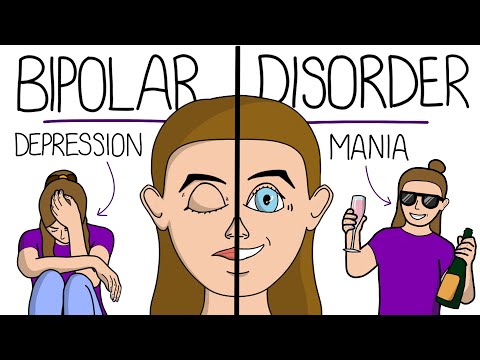
You know, mental health is one wild ride sometimes. Like, one minute you’re on cloud nine, and the next, you’re in a deep pit of despair. It’s not just a mood swing; it’s way more complex than that.
Bipolar depression and anxiety? Yeah, they often tag along together. It can feel like being on a seesaw—up and down all the time. And it’s exhausting!
Imagine waking up feeling invincible one day, then struggling to get out of bed the next. That’s what many experience with bipolar disorder. And let me tell you, adding anxiety into the mix? That just cranks the stress levels up to eleven.
So let’s chat about this rollercoaster of emotions. Understanding what’s going on in your head can make all the difference. Ever wondered why you feel so high one day and so low the next? Well, you’re not alone!
Exploring the Use of Buspirone in Managing Bipolar Disorder: Efficacy and Considerations
Bipolar disorder can be a real rollercoaster ride, right? One minute, you’re feeling on top of the world, and the next, it’s like you’ve hit rock bottom. Managing bipolar disorder often involves a combination of mood stabilizers and other medications. Among these is buspirone, which was originally designed to treat anxiety disorders. It’s definitely worth looking into how buspirone might fit into the picture for those dealing with bipolar disorder.
So, first up is efficacy. Buspirone works differently than many traditional medications. Instead of being a sedative or stimulant, it acts as a serotonin receptor agonist. This basically means that it binds to receptors in your brain to help regulate mood and anxiety. Some studies have suggested that buspirone can help reduce symptoms of anxiety in people with bipolar disorder without triggering manic episodes. That’s crucial since any new medication needs to be safe in terms of not flipping someone into a manic state.
In terms of considerations, there are definitely a few things to keep in mind. First off, everyone reacts differently to meds! You might find that buspirone works wonders for your anxiety but not so much for other bipolar symptoms, like depressive episodes. It’s important to communicate regularly with your healthcare provider about how you’re feeling on this medication.
It’s also crucial to consider potential side effects. While buspirone is generally well-tolerated and seen as having fewer side effects compared to some psychotropics, there can still be *some* hiccups—like dizziness or nausea. It doesn’t usually cause weight gain or sedation like some other anxiety medications might, which is great news for folks just trying to feel normal again.
Another important aspect is long-term use. Buspirone isn’t typically used alone; it’s often part of a broader treatment plan involving mood stabilizers or other medications tailored specifically for bipolar disorder. Depending on where you are in your journey, your doctor might recommend adjusting dosages or trying different combinations.
Also, there’s the issue of timing. When starting buspirone, it usually takes a few weeks before you notice its full effect—so patience is key here! And don’t forget about therapy; combining medication with therapy can lead to better outcomes since they work together to tackle symptoms from different angles.
In sum, exploring the use of buspirone in managing bipolar disorder brings up some interesting possibilities but also requires careful navigation through individual responses and treatment goals. It’s all about finding what works best for you while keeping an open dialogue with your healthcare team!
Ultimately, living with bipolar disorder means facing challenges head-on and sometimes trying various methods until you hit on what fits best—both mentally and emotionally. Everyone’s journey is unique; just remember you’re not alone in this!
Understanding Bipolar Disorder: Insights from a Psychological Perspective
Bipolar disorder is like a rollercoaster ride for your emotions. One moment you might feel on top of the world, overflowing with energy and creativity, and the next, you’re deep in a valley of despair. It’s not just mood swings; it’s really intense experiences that can be hard to manage.
So, what exactly is it? Well, bipolar disorder involves shifts in mood that range from manic episodes—where you feel super charged and invincible—to depressive episodes where everything seems hopeless. These mood changes can happen quickly or over a longer period.
Let me give you an example. Imagine a friend who seems to thrive during the summer—full of life and getting things done. But when winter rolls around, they withdraw from everyone, feeling like nothing matters anymore. That’s kind of how bipolar disorder plays out for many people.
- Types of Bipolar Disorder: There are different kinds! Bipolar I involves severe manic episodes that last at least seven days or are so intense that you need hospital care. Bipolar II is a bit different; it features milder hypomanic episodes but includes major depressive ones.
- Mood Episodes: These are basically emotional chapters in someone’s life story. During manic phases, people might feel overly optimistic or irritable—like they’re running on caffeine 24/7. In contrast, depressive phases can bring feelings of worthlessness or sadness that just won’t quit.
- The Role of Anxiety: Sometimes anxiety tags along too. Imagine struggling with racing thoughts during a manic phase; it can leave someone feeling anxious about their own energy! It turns into this cycle where anxiety feeds off the emotional ups and downs.
The psychology behind bipolar disorder isn’t fully understood yet, but research suggests that both genetics and environmental factors play big roles. There might be a family history involved that makes someone more prone to developing bipolar traits.
An interesting thing happens when you think about how we all handle stress differently. Some folks face tough times with resilience while others might spiral into these cycling moods if they have bipolar disorder. It’s like your brain’s wiring gets nudged into different patterns based on what happens around you!
If you’ve ever heard about treatment options for bipolar disorder, you’re probably aware they often include medication and therapy. Medication helps stabilize moods (think mood-lifters) while therapy provides tools to navigate those wild emotional swings better.
- Cognitive Behavioral Therapy (CBT): This approach helps by teaching practical skills to manage those thoughts and feelings during different mood states.
- Psychoeducation: Getting informed about the disorder helps individuals understand their own experiences better; knowledge is power!
- Support Groups: Connecting with others who understand can provide comfort—it reminds you that you’re not alone in this journey!
Bipolar disorder can feel overwhelming at times—for both individuals experiencing it and their loved ones as well. Having open conversations about mental health really makes a difference! When we talk about these issues openly, we foster empathy and support instead of stigma.
If there’s one takeaway here, it’s this: understanding bipolar disorder requires compassion—for those living with it as well as ourselves when navigating our emotions too! Everyone’s journey is unique but finding common ground helps us all cope better together.
Understanding the Link Between Anxiety and Bipolar Disorder: Common Experiences and Insights
Anxiety and bipolar disorder often hang out together, almost like an uninvited guest at a party. You know the type, right? The one that shows up and completely changes the vibe. So, let’s break down how these two connect and what that really feels like.
Bipolar disorder is characterized by dramatic mood swings that can swing from high-energy periods called manic episodes to low-energy ones known as depressive episodes. In between those swings, life can feel pretty gray and uncertain. That’s where anxiety kicks in—it tends to sneak up during those transitions.
Now, think about it: imagine you’re riding that emotional rollercoaster. During a manic phase, you might feel unstoppable—full of energy and ideas—but then suddenly crash down into feelings of despair or hopelessness. That shift can provoke intense anxiety. You end up worrying about when the next mood swing is coming or if you’ll ever regain that high.
So why does this happen? Well, it could be related to genetic factors or how our bodies manage stress hormones. When you’re already dealing with the highs and lows of bipolar disorder, adding anxiety into the mix can feel overwhelming—like running a marathon while juggling flaming torches!
It’s also important to note the emotional toll this combination takes. Imagine being in public during an episode; you might feel super happy one minute but then panic if things start feeling too chaotic—that’s no fun for anybody! Social situations can get tricky because you’re not just managing your moods; you’re also handling those nagging anxious thoughts.
Anxiety doesn’t have to control your life; recognizing its connection with bipolar disorder is the first step toward understanding yourself better! There are always paths forward—whether it’s connecting with others who understand your experiences or finding helpful coping techniques.
In short, anxiety and bipolar disorder often dance together in a way that amplifies each other’s effects—and knowing this helps in making sense of those confusing moments we all face sometimes! It’s about building awareness around these feelings so you can navigate through them more smoothly. If you’ve felt any part of this struggle, remember—you’re definitely not alone in this journey!
Bipolar depression and anxiety can be like a wild roller coaster, seriously. Imagine feeling on top of the world one moment, buzzing with energy, and then, just like that, sliding down into a pit where sadness wraps around you like a heavy blanket. It’s pretty intense stuff.
So, let’s break it down a bit. Bipolar disorder isn’t just about having mood swings; it’s this complex mix of ups (called mania or hypomania) and downs (which is the depressive part). And it’s not uncommon for folks who deal with bipolar disorder to also experience anxiety. Picture standing at the edge of a cliff—you’re excited about the view, but your heart starts racing because what if you lose your balance? That anxiety can creep in during those darker periods or even when you’re feeling high.
I remember talking to a friend who experienced this firsthand. When she was up—real high—she felt invincible, as if she could conquer the world. But during her lows? Oh man. It was like she had this weight pressing down on her chest, making everything feel impossible. The anxiety would often jump in too—filling her head with “what if” scenarios that stressed her out even more.
Now here’s the thing: it’s not just about managing highs and lows. It gets more complicated because both depression and anxiety can feed off each other, creating this cycle that feels super hard to break. When you’re down, it’s easy to spiral into anxious thoughts about how you’ll never feel better again. And then when you do get that brief high, the fear of dropping back into darkness can make you anxious too! You see how tricky this is?
Understanding what’s going on psychologically is key but also kinda heartbreaking because there’s so much stigma tied up in mental health issues like these. People often don’t see how real and valid these feelings are; they might think it’s just about being “moody” or acting out for attention—which couldn’t be further from reality.
At the end of the day, navigating bipolar disorder with anxiety requires awareness and patience—not just from others but from yourself too. Making peace with these emotional waves can be tough but realizing you’re not alone in this struggle is super important! So whenever life feels like it’s all over the place? Just remember that ups and downs are part of many people’s journeys—and understanding those feelings often paves the way toward healing rather than hiding away from them!