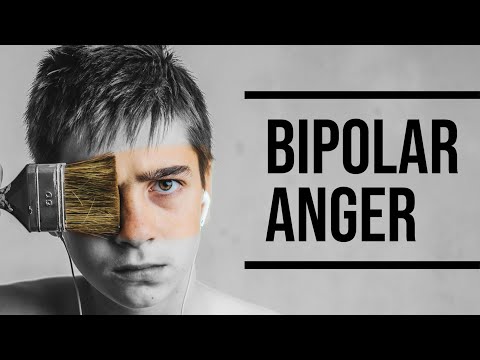
Hey, let’s chat about something that doesn’t get enough airtime: bipolar disorder and anger. It’s a combo that can be pretty intense.
You know how emotions can go from zero to a hundred? For folks with bipolar disorder, that ride can feel like a roller coaster. One minute you’re on top of the world, and the next, there’s this wave of anger crashing down.
I’ve seen it happen, and it’s wild how quickly things can shift. Imagine having your feelings on fast forward—it’s confusing and exhausting for everyone involved.
So, why does this happen? What connects bipolar disorder with those bursts of fury? Let’s dig into it together!
Strategies for Restful Sleep During Manic Episodes: Tips for Managing Insomnia
Getting a good night’s sleep can be tough, especially during manic episodes. You might find yourself buzzing with energy, racing thoughts, and then—bam! Insomnia hits. So what can you do about it? Here are some strategies to help you grab those Z’s when your mind is in overdrive.
- Create a Sleep Schedule: Regularity can be a game changer. Try to go to bed and wake up at the same time every day. It helps set your body’s internal clock, making it easier to fall asleep and wake up feeling refreshed.
- Wind Down Before Bed: Give yourself some time to relax and chill out before hitting the hay. Maybe read a book or listen to calming music for about 30 minutes. Avoid screens, though! The blue light from phones or TVs can mess with your melatonin production, keeping you wide awake.
- Mindfulness and Relaxation Techniques: Ever tried deep breathing or meditation? They can really help calm your racing thoughts. Just take a few minutes to focus on your breath; breathe in slowly through your nose and out through your mouth. Picture each breath gently guiding you toward sleep.
- Limit Caffeine and Stimulants: A cup of coffee in the morning is okay, but cut back on caffeine as bedtime approaches. Seriously, even chocolate has caffeine! You don’t want anything making it harder for you to drift off.
- Create a Comfortable Sleep Environment: Your bedroom should feel like a cozy retreat. Make sure it’s dark, quiet, and cool enough for sleep. Blackout curtains might be worth investing in if outside light keeps creeping in!
- Physical Activity: Staying active during the day is important too! Exercise helps reduce stress and promotes better sleep quality at night. Just avoid intense workouts right before bedtime; that might actually keep you wired!
You know what else could work? Keeping a sleep diary. Jot down when you go to bed, what you do before sleeping, how well you sleep, etc. It helps identify patterns that could suggest what works for you (or what doesn’t).
If things get really tricky and insomnia turns into a regular visitor even after trying these strategies—talking to someone who knows their stuff like a therapist can bring some clarity too.
Remember: Managing sleep during manic episodes is all about finding what fits best for *you*. It takes patience and trial-and-error because we’re all different at the end of the day. Just hang in there; restful nights are possible!
Understanding Bipolar Anger: Navigating Emotional Challenges in Marriage
When you’re in a relationship with someone who has bipolar disorder, understanding their emotional landscape can feel like navigating a wild rollercoaster. One of the most challenging aspects is dealing with anger. It’s not just regular anger—it’s amplified, unpredictable, and can swing from zero to sixty in no time.
So what’s the deal with bipolar anger? Well, during manic episodes, your partner might seem overly energetic, talkative, and, let’s say, a bit impulsive. This heightened state often means they’re more likely to react intensely to situations that usually wouldn’t bother them. You might notice them snapping over seemingly small things. Imagine watching a movie together and they suddenly blast off into a rant about the plot holes while you’re just trying to enjoy popcorn. Crazy, right?
On the flip side, during depressive episodes, it can feel like a match was thrown into a sea of despair. Anger morphs into frustration or irritability because they might feel trapped in their own emotional pit. They may get upset about feeling misunderstood or powerless. It’s tough when you want to comfort them but don’t know how.
Here are some key points to keep in mind as you navigate these emotional challenges:
- Triggers Matter: Recognize what might set off an angry response. It could be stress at work or even little things that build up.
- Communication is Key: Encourage open dialogue when they’re calm. It helps establish trust and sets boundaries for those intense moments.
- Time-Outs Work: Sometimes stepping back from an argument can diffuse tension before it spirals out of control.
- Educate Yourself: Understanding bipolar disorder will help you empathize better with your partner’s experience.
Let’s chat about the importance of self-care too! When dealing with your partner’s anger, it’s easy to forget about your needs. It’s completely normal for their mood swings to take a toll on your own emotional health! Make sure you’re carving out time for yourself—whether it’s relaxing with friends or diving into a hobby that brings you peace.
And here’s something poignant: think back to a moment when you felt like the world was on fire and all you wanted was understanding—not judgment. That level of empathy can be so powerful. You know? Your partner is fighting their own battles inside their head; sometimes they just need someone who gets it.
In summary, navigating anger in a marriage where bipolar disorder is part of the equation isn’t easy—it takes patience and compassion from both sides but keeping channels open for communication and being aware of triggers is essential for managing challenges together!
Bipolar Anger vs. Normal Anger: Key Differences and Insights
Feeling angry now and then is totally normal. We all have our moments. But when it comes to bipolar anger, things can get a bit trickier. So, what’s the difference between your average anger and the kind that comes from bipolar disorder? Well, let’s break it down.
Bipolar disorder is characterized by extreme mood swings, which include periods of intense mania or hypomania and deep depression. During these manic phases, anger can pop up in ways that are way more intense than usual.
- Intensity: Normal anger might feel strong, but it’s usually manageable. Angry moments related to bipolar disorder can escalate quickly into rage that’s hard to control. One minute you’re mildly annoyed, and the next, you’re shouting like there’s no tomorrow.
- Duration: Typical anger might stick around for a few minutes or hours but eventually fades as the situation settles. However, during peak bipolar episodes, that anger can linger for days or even weeks before it subsides.
- Triggers: With regular anger, triggers are often pretty straightforward—like someone cutting you off in traffic or not getting what you want. In bipolar anger, these triggers might be less clear or might seem completely absurd to others around you.
- Expression: Normal anger usually involves some sort of expression—maybe a loud voice or even some physical reactions like clenching fists. In contrast, people experiencing bipolar-related anger might go beyond that; they could be destructive or lash out at loved ones without considering the consequences.
To illustrate this with an example: let’s say your friend Sarah has bipolar disorder. One day she’s feeling great and then something minor happens—like someone forgetting her birthday—and she explodes in rage. Her reaction is disproportionate because her emotions are already on a rollercoaster ride from the mania she’s experiencing.
Coping Strategies also differ significantly between normal and bipolar anger. For usual angry moments, people often find ways to cool down themselves—like taking a walk or talking it out with someone close.
But someone with bipolar disorder may need more structured support during angry episodes because their feelings can spiral out of control before they even realize what’s happening.
A common misconception is that all individuals with bipolar disorder will experience outrage regularly while they’re stable—this isn’t true! Many manage their condition well with treatment and experience few angry episodes outside of mood fluctuations.
The key takeaway here is this: while we all get angry now and then, bipolar anger can operate on a whole different level due to its intensity and related emotional swings.
If you’re aware of these differences—maybe through friends or family—you’ll have more compassion for anyone going through those intense feelings.
Ultimately, understanding both types of anger helps us navigate our relationships better! If you’re close to someone with bipolar disorder and notice outbursts of intense frustration or rage, recognizing it as part of their struggle—and not just them being «angry»—can be super helpful.
Bipolar disorder can be such a puzzling condition, you know? You might know someone who experiences these intense mood swings—like going from feeling on top of the world to suddenly hitting rock bottom. But one thing that often flies under the radar is how anger plays into all of this, especially when you think about those highs and lows.
Imagine someone named Mark. He’s usually pretty chill, but when he hits one of those manic phases, he’s just bursting with energy. Everything seems like a competition or an opportunity for fun. But then, there are these moments—in fact, they can be pretty frequent—where that excitement flips into rage. It can happen out of nowhere. One minute he’s joking around with friends and the next he’s yelling because someone didn’t laugh at his joke. It’s almost like there’s this invisible line that gets crossed too easily.
What’s interesting is that anger in bipolar disorder isn’t just random. It often stems from this complicated web of emotional dysregulation—a fancy way of saying it can be hard to manage feelings when your brain’s chemistry is fluctuating so much. During manic episodes, people might feel invincible, but then just as quickly feel frustrated or irritated when things don’t go their way. It’s like riding a roller coaster where you don’t always decide when the dips come.
Now think about those depressive phases too—Mark often feels worthless and hopeless during those times. Anger can bubble up again not just at others, but also directed inward as self-loathing. You might find yourself thinking: “Why can’t I just snap out of this?” That kind of frustration? Yeah, it can really sting.
On top of everything else, societal perceptions play a role as well. People with bipolar disorder sometimes get labeled as “angry” or “crazy,” which only adds more pressure to an already heavy situation. So instead of expressing their feelings openly—like talking about anger—they may bottle it up or act out in ways that aren’t super healthy.
Understanding the links between bipolar disorder and anger helps shine a light on what’s happening beneath the surface! It becomes clear that it’s not just about being angry; it’s a complex mix involving mood variations and environmental triggers too! If you slow down a bit and dig deeper into what someone with bipolar goes through emotionally, it’s easier to see why handling anger can become such a big part of their journey.
Mark’s story reminds us that there are layers to how we feel—but we’re all human at the end of the day trying to figure it out together! The emotional puzzle pieces don’t always fit neatly together; they’re messy and sometimes confusing but essential for understanding what individuals are experiencing inside their heads and hearts.