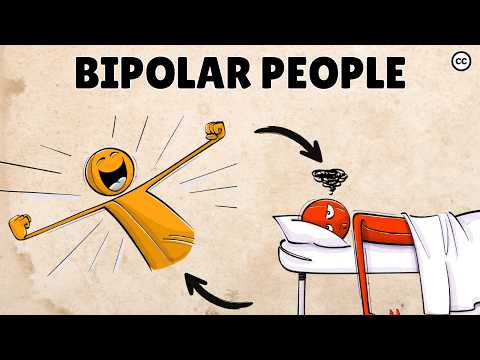
You know how sometimes your mood can feel like a rollercoaster? One minute you’re up and feeling on top of the world, and the next, boom—you’re down and everything seems gray. It’s confusing, right?
Well, for some folks, that ride isn’t just a temporary thing. It’s part of living with bipolar disorder. Mood swings can come out of nowhere and hit hard. Understanding what’s going on can help make sense of those feelings.
Let’s chat about what bipolar disorder really is, its ups and downs, and why it matters. There are insights from psychology that shed light on this whole experience. So grab a coffee or tea, get cozy, and let’s dig in!
Understanding Bipolar Disorder: Insights from Psychological Research
Bipolar disorder can be pretty complex, right? It involves intense mood swings that swing from super highs to deep lows. Basically, it’s like riding an emotional rollercoaster that you didn’t sign up for.
First off, what does it feel like when you’re experiencing mania? During these episodes, you might feel like you’re on top of the world. You have loads of energy, talk a mile a minute, and think you can accomplish anything. It’s thrilling but can lead to risky behavior. Imagine a time when someone went on a shopping spree just because they felt invincible. That’s mania for ya!
Then there’s the depressive side of things, which is equally intense but in the opposite direction. Picture waking up and just wanting to stay in bed all day. Everything feels tough—getting out of bed, socializing with friends, even enjoying hobbies you once loved. It can feel pretty isolating; like you’re stuck in a fog while everyone else is living their lives.
Psychological research shows that these mood shifts aren’t just random but can be influenced by different factors, including stress, sleep patterns, and even changes in your brain chemistry. You see, our brains are wired differently when we’re going through these episodes—serotonin and dopamine levels fluctuate wildly.
In terms of diagnosis, clinicians rely on certain criteria outlined in the Diagnostic and Statistical Manual of Mental Disorders (DSM-5). They look for specific patterns over time—like how manic or depressive episodes last at least several days or longer.
And let’s not forget about treatment options! There are medications to help stabilize moods—like mood stabilizers and antipsychotics—but therapy is also key! Talk therapy provides support to help manage those ups and downs.
It might sound heavy sometimes, but many folks with bipolar disorder lead fulfilling lives with the right help and strategies in place. Like anyone else out there dealing with challenges; they have successes too! Finding community support can make such a difference.
Here are some important points about bipolar disorder:
- Two main types: Bipolar I involves severe manic episodes; Bipolar II has milder «hypomanic» phases.
- Symptoms: Mood swings can include irritability during down periods or increased activity during highs.
- Treatment: Medications combined with psychotherapy often yield the best results.
- Affects relationships: Understanding your own moods helps improve connections with loved ones.
So yeah, understanding bipolar disorder isn’t just about recognizing symptoms; it’s also about empathy and support for those living with it. Life’s tough enough without the added challenge of this condition! Everyone deserves understanding as they navigate their own personal journeys through the ups and downs.
Exploring Insight in Individuals with Bipolar Disorder: Understanding Self-Awareness and Mental Health
Bipolar disorder is a complex mental health condition, and it often brings up some pretty intense challenges, especially when it comes to self-awareness. You see, folks with bipolar disorder typically experience extreme mood swings that can range from euphoric highs—known as mania—to painful lows called depressive episodes. This can really mess with how they view themselves and their surroundings.
Self-awareness plays a huge role in how someone handles their bipolar disorder. When you have insight into your condition, you can begin to notice patterns in your mood changes, triggers that might set off manic or depressive episodes, and ways to cope when they happen. That’s where the magic lies! You could think of it like having a map of your emotional terrain.
And here’s where it gets interesting: not everyone with bipolar disorder has strong self-awareness right off the bat. Sometimes during manic phases, a person might feel invincible and not recognize the need for help or even realize how irrational their behavior can be. I once knew someone who took up rock climbing during a manic episode at an indoor gym but ended up getting hurt because they weren’t aware of their own limitations. They thought they were on top of the world until reality hit them hard!
Another important thing is that insight often improves over time. As individuals experience their symptoms more frequently, they may start learning what works for them and what doesn’t. So basically, experience becomes a teacher in this journey toward better self-understanding.
Now let’s talk about support systems; having friends or loved ones who understand bipolar disorder can make all the difference in gaining insight into one’s mental health. These people can help provide feedback on behaviors during those ups and downs, encouraging more self-reflection about what’s happening emotionally.
Sometimes therapy also plays a significant role in boosting self-awareness for those living with bipolar disorder. Cognitive Behavioral Therapy (CBT), for instance, can help individuals recognize negative thought patterns and work through emotional challenges step by step.
But remember this: while gaining insight is super helpful, it’s just one piece of the puzzle. Someone might be aware of their mood swings but still find coping tough when they hit rock bottom or soar too high. So integrating insights into effective coping strategies becomes essential for managing this condition effectively.
In summary, exploring insight within individuals with bipolar disorder means recognizing how awareness of one’s emotional shifts contributes to overall mental health management. Given that everyone’s journey is unique, building that understanding takes time and effort but opens doors to better managing life with bipolar disorder!
Understanding Bipolar Mood Disorder: Key Insights and Implications in Psychology
Bipolar mood disorder is one of those things that can feel a bit like a rollercoaster. You’ve got your highs, the manic episodes, where everything feels amazing, and then there are the lows, the depressive states, where just getting out of bed feels like climbing a mountain. It’s not just about feeling sad or happy; it’s these intense shifts that can be really disorienting.
One crucial thing to grasp is that bipolar disorder isn’t simply about mood swings. It’s a complex illness with different patterns. For instance, some people experience rapid cycling—this means their moods can shift more than four times in a year. Others might have longer bouts of mania or depression. Seriously, understanding this variety is key to connecting with someone who’s experiencing it.
Now let’s break down some important insights related to bipolar mood disorder:
- Manic Episodes: During these times, you might feel unstoppable—like you’re on top of the world! You’ve got tons of energy, talk fast, and might engage in risky behaviors. Some folks even report having grandiose ideas or feeling unusually creative.
- Depressive Episodes: This part can be really rough. Imagine feeling hopeless or worthless for weeks at a time. It’s not just sadness; it’s like this heavy fog that makes everything feel dull and exhausting.
- Cognitive Effects: Mood changes can mess with your thinking too! When you’re manic, you might think you’re invincible—or make decisions without fully considering the consequences. In depression? Well, your self-esteem takes a hit, and it can be hard to focus.
- Triggers: Stressful life events often trigger episodes. You know how sometimes things get overwhelming? For someone with bipolar disorder, it could mean an upcoming exam or job change could set off a cycle.
- Treatment Options: A mix of medication and therapy tends to work best. Medications like mood stabilizers help level things out while psychotherapy offers coping strategies for managing shifts.
It’s also important to be aware that stigma still surrounds this disorder. Many people don’t fully understand what it means to live with bipolar disorder; they might think it’s just “being moody.” A friend of mine had this struggle—she was super talented but faced constant judgment when her mood shifted dramatically during college. It made her feel isolated even when she was surrounded by friends.
This leads us into how society perceives bipolar disorder: awareness is slowly improving thanks to campaigns and stories shared by those living with it—but there’s still work to do! Educating ourselves and others helps dismantle stereotypes.
So, if you know someone navigating life with bipolar disorder—or maybe even if you’re dealing with it yourself—it helps to keep communication open and show empathy. Talk about feelings without judgment whenever possible; honestly sharing struggles makes such a difference.
In summation (okay, okay—not supposed to say that!). But really—the ebb and flow of emotions in bipolar mood disorder is intricate and deeply personal for each person affected by it; understanding this complexity fosters compassion and support in our daily interactions.
You know, bipolar disorder is one of those things that often gets misunderstood. People hear «bipolar» and think it’s just about mood swings, like flipping a switch from happy to sad. But there’s so much more under the surface. It’s like you’re on this wild rollercoaster ride with ups and downs that can feel really extreme.
I remember a friend of mine, let’s call her Sarah. She was always the life of the party, bright and bubbly one moment, then suddenly withdrawn and quiet the next. At first, I thought she was just being moody or dramatic—who hasn’t been there? But as I got to know her better, I learned about her struggles with bipolar disorder. It opened my eyes to how complicated it can be.
So here’s the deal: people with bipolar disorder experience significant mood changes. These are more than just bad days or temporary sadness; they can include manic episodes where someone feels overjoyed, super energetic, or even invincible. And then, right after that… crash! They can feel hopeless and lose interest in things they once enjoyed.
What’s interesting is that these shifts aren’t purely emotional—they’re tied to brain chemistry too. Neurotransmitters are these little chemical messengers in our brains that affect how we feel. And in someone with bipolar disorder, these chemicals can get out of whack.
The thing is, people often talk about mental health like it’s black and white—you’re either happy or sad, well or sick. But life isn’t like that at all! It’s shades of gray and a whole spectrum of emotions. That fluctuation in moods can lead to challenges—like in relationships or jobs—because you never know what version of someone you’re gonna get on any given day.
It’s crucial for folks around those who have bipolar disorder to understand this complexity too; patience goes a long way! Often when Sarah had lows, she’d withdraw from everyone without explanation because she found it hard to articulate how she felt at that moment—you know? It wasn’t about us; it was about what she was going through internally.
By sharing our experiences and reaching out for support when needed—whether it’s friends, family, or professionals—we start breaking down those stigmas surrounding mental health issues like bipolar disorder. Realizing we’re all human helps create connections rather than distance—and honestly, isn’t that what we all need sometimes? Just understanding each other a bit better?