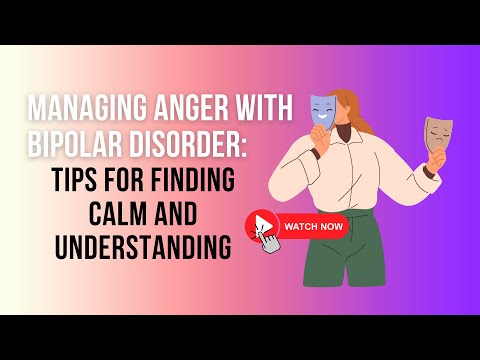
You know that feeling when you’re just bubbling with anger, and it feels like it’s coming out of nowhere? Yeah, that’s a tricky one.
Now, imagine that feeling but intensified. That’s what folks with bipolar disorder might deal with sometimes. It can be overwhelming, not just for them but also for the people around them.
Anger isn’t just a mood; it’s like a signal, telling us something deeper is going on. But in bipolar contexts? It gets a bit complicated.
Let’s break down what anger looks like in this situation. Trust me, it’s way more than just “being angry.” It’s layered and connected to all sorts of emotions and experiences.
Understanding and Managing Bipolar Anger in Marriage: Strategies for Healthy Communication with Your Spouse
Understanding anger in the context of bipolar disorder can be pretty complex, especially when it comes to marriage. Picture this: you’re having a normal day, and then suddenly, your spouse swings from calm to irritable in a heartbeat. It might feel a bit like you’ve stepped into an unexpected storm. So, let’s break this down.
**Bipolar Anger: What’s Happening?**
Anger can manifest differently during the different phases of bipolar disorder. In manic or hypomanic episodes, it might come out as irritability or even rage. When someone is feeling low, anger can also bubble up but may look more like frustration or withdrawal instead. It’s like being on this rollercoaster where you can’t predict when the next twist will hit.
**Communication is Key**
First things first—talking about feelings without judgment is crucial. If your spouse is feeling angry, try to create a safe space for them to express that emotion without fear of repercussions. This isn’t about solving the problem right away; it’s about being present and listening. Just being there means a lot!
– **Active listening:** Show that you’re tuning in by nodding or saying “I see” occasionally.
– **Avoid interrupting:** Let them finish their thoughts; cutting them off can escalate their irritation.
**Understanding Triggers**
Every person has triggers—situations or comments that spark those intense feelings. For someone with bipolar disorder, these triggers could vary widely! Maybe it’s certain stressors at work or even small things at home that aren’t going quite right.
Try discussing what makes your spouse angry when they’re calm. You could say something like, “Hey, I noticed you seem really stressed when we talk about finances. Is there something specific that bothers you?” This opens the door for them to share without pressure.
**Establishing Boundaries**
You know how everyone has their limits? Well, setting boundaries helps both partners feel safer during tough times. Communicate clearly what specific behaviors are acceptable when emotions run high.
– **Create a timeout plan:** If things get heated during an argument, agree on taking a short break to cool off before coming back together.
– **Use “I” statements:** Instead of saying “You make me so mad,” try phrasing it as “I feel hurt when our discussions turn into shouting matches.” This shows empathy while expressing your feelings.
**Finding Healthy Outlets for Anger**
Anger isn’t inherently bad; it’s just an emotion! Finding healthy ways to express that energy can be super beneficial.
– **Physical activity:** Encourage some form of exercise together—like walking or dancing around the living room—to release pent-up frustration.
– **Creative outlets:** Painting or playing music could help channel those strong feelings into something positive!
**Seek Support Together**
Sometimes navigating these waters alone feels overwhelming! Consider talking to a therapist—together or separately—to help manage emotions and improve communication strategies further.
Having professional support doesn’t mean anything is wrong; think of it more as having an extra tool in your toolbox for navigating challenges ahead.
In summary: Understanding bipolar anger takes patience and compassion from both partners in the relationship. With clear communication and strategies in place, managing those emotional storms becomes a little easier! So keep talking and working together—it’s all part of building a healthier partnership!
Understanding Bipolar Rage Attacks: Causes, Impacts, and Legal Considerations
Sure! Let’s break down the whole idea of bipolar rage attacks, you know? It’s something that a lot of people don’t really understand, but it can really impact lives—both for the person experiencing it and those around them.
First things first, what are these rage attacks? Well, when we talk about **bipolar rage**, it’s not just being mad like when someone cuts you off in traffic. It’s an intense emotional reaction that can come out of nowhere during a manic or hypomanic episode. Picture this: you’re having a great day, feeling on top of the world. Then suddenly, something minor sets you off. You might scream, throw things, or even lash out at friends or family. These moments can be terrifying and confusing.
Now let’s get into what triggers this kind of anger. There are usually several factors at play:
- Emotional Overload: When someone with bipolar disorder is in a manic phase, their emotions can be amplified. It’s like having the volume turned way up on your feelings.
- Stress: Situations that cause stress—like work deadlines or personal issues—can trigger these episodes as well.
- Lack of Sleep: We all know how cranky we get without enough sleep! For folks with bipolar disorder, this can be a huge trigger for those intense rage moments.
Now let’s touch on the **impacts** of these attacks. The fallout from a rage episode can be significant:
- Relationships: Imagine yelling at your best friend over something small because you’re in the heat of anger. That can seriously damage relationships.
- Legal Issues: Sometimes these reactions lead to actions that have legal consequences. A person might break something or hurt someone during an outburst and then face repercussions.
- Mental Health Effects: After such an episode, there’s often guilt or shame to deal with. This adds to an ongoing cycle of bad feelings and can worsen overall mental health.
Pretty heavy stuff right? But it’s important to realize that while these episodes are part of bipolar disorder, they’re not reflective of who someone is as a person. At their core, they’re symptoms of a mental health condition.
And speaking about **legal considerations**, this is where it gets tricky. If someone acts violently during a rage attack—say throwing things at someone—they could face charges like assault or destruction of property. But here’s where context matters: if it’s clear that the person has bipolar disorder and didn’t have control over their actions during an episode, courts might consider that in their cases.
You see? It raises questions about accountability versus mental health awareness in legal systems. Understanding bipolar disorder more could help ensure people receive appropriate support rather than punishment alone.
In short, understanding *rage attacks* in the context of *bipolar disorder* is essential for improving relationships and finding better ways to manage these episodes both mentally and legally. Remembering there’s more beneath the surface helps foster empathy—not just for individuals battling with these feelings but also for those trying to support them through tough times!
Understanding Bipolar Rage and Its Impact on Verbal Abuse: Legal Insights and Considerations
Understanding bipolar rage can feel like trying to catch smoke with your bare hands. It’s complex, emotional, and often deeply misunderstood. When you mix bipolar disorder with intense anger, you get something that can lead to verbal abuse, which no one wants to deal with. So, let’s break it down a bit.
Bipolar disorder is marked by extreme mood swings. One moment someone might feel on top of the world during a manic phase, and the next, they could dive into the depths of despair in a depressive episode. But it’s not just sadness or euphoria that people experience; anger is another big player in this game.
Anger responses can manifest differently in individuals with bipolar disorder. During manic episodes, feelings can escalate quickly, leading to rage. Picture this: you’re having a good day when suddenly something minor annoys you—like someone cutting you off in traffic—and instead of brushing it off, there’s an explosive reaction. That’s not just typical anger; it can be disproportionate due to the underlying condition.
Verbal abuse is often one of the outcomes of this uncontrolled rage. You might hear harsh words thrown around that really cut deep because the person may not even realize how intense they sound until after things cool down. The problem here? Once those words are said, they can create lasting wounds in relationships.
When exploring legal insights, it’s important to recognize that actions taken during these episodes could have consequences. If someone lashes out verbally during a manic phase and it leads to threats or intimidation, there might be legal implications for those actions—even if the person didn’t fully understand what they were doing at the time.
- Intent vs. Mental State: Courts often consider whether someone had control over their actions when evaluating cases related to verbal abuse.
- The Role of Diagnosis: A diagnosis like bipolar disorder can influence how incidents are viewed legally, potentially impacting sentencing or accountability.
- Treatment as a Factor: Engaging in treatment for bipolar disorder may also come into play during legal discussions about past behavior.
It’s essential for families and friends of individuals with bipolar disorder to understand these emotional patterns too. Sometimes creating plans or strategies for handling anger when it arises can prevent moments of rage from turning into verbal conflict.
Remember that while bipolar rage isn’t an excuse for hurtful behavior, awareness helps everyone deal better with tricky situations when they come up—because they will come up! So having tools and understanding around might just lessen the impact on relationships and legal standing alike.
By recognizing these dynamics—emotional struggles paired with legal implications—you become better equipped to handle situations more compassionately while protecting everyone involved from carrying heavier burdens later on.
Anger can be like a volcano—sometimes it simmers quietly beneath the surface, and other times, it erupts out of nowhere. When we’re talking about bipolar disorder, anger responses can get particularly intense. This isn’t just about having a bad day or feeling frustrated; it’s like emotions are on a rollercoaster ride with no seatbelt.
So, picture this: you have a friend with bipolar disorder. One moment they’re enthusiastic and full of energy—maybe they’ve got big plans, super motivated—but then they suddenly snap over something small. It could be as trivial as someone interrupting them or even misplacing their favorite pen. That explosion of anger can catch everyone off guard! You might think, “Whoa! What just happened?”
The thing is, with bipolar disorder, mood swings are part of the deal. It can shift from euphoric highs to deep lows pretty quickly. And sometimes those extreme emotions include rage or frustration that seems way out of proportion to the situation at hand. These responses often come from underlying feelings like helplessness or anxiety that might not be visible to others.
You see, anger in this context isn’t just a personality quirk—it’s tied deeply to their emotional state at that moment. For someone experiencing mania or hypomania, their threshold for irritability lowers significantly. Even little annoyances feel magnified, almost like being under a magnifying glass where every tiny detail stands out and drives you nuts.
On the flip side during depressive episodes, anger might turn inward—leading to feelings of self-loathing instead of outward explosions. This is where things can get really tricky because you’re not just dealing with anger but also sadness and frustration all mixed together.
Understanding this pattern can help friends and family become more empathetic toward those experiencing these intense emotions. Instead of reacting defensively when things flare up, it might help to take a step back and recognize that there’s more going on than meets the eye.
And while no one enjoys feeling angry or watching someone they care about spiral into rage, recognizing these triggers and learning how to navigate them is key for everyone involved. It’s all about creating that safe space where emotions can be expressed without fear of judgment—even if they’re messy sometimes! Because let’s face it: we all have our moments!