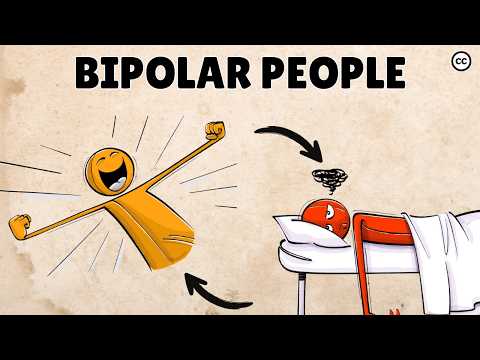
Alright, so let’s talk about something pretty intense—bipolar mixed episodes. You know, those moments when you feel super high energy but also kind of low at the same time? It’s like your brain is doing a juggling act and sometimes it just drops everything.
Picture this: one minute you’re feeling on top of the world, thinking you can conquer anything. Then bam! Out of nowhere, the sadness creeps in. It’s confusing, right? You might wonder what the heck is going on inside your head.
It’s way more common than people realize. Seriously, it’s like this hidden puzzle that not everyone gets and that’s a big deal because it affects real lives—yours or someone you care about. Let’s break it down together and try to make sense of it all!
Understanding the Bipolar Mixed Episode Test: Diagnosis and Insights
Bipolar disorder can be a real emotional rollercoaster, you know? One of the trickiest parts of this condition is what’s known as a **mixed episode**. Basically, it’s when you experience symptoms of both mania and depression at the same time. Confusing, right?
When you’re in a mixed episode, it’s like having your emotions pulled in two opposite directions. You might feel super energetic and productive but also deeply sad or hopeless. It’s tough to explain to someone who hasn’t felt it, but just imagine trying to hyper-focus on something while simultaneously feeling that heavy weight of despair pressing down on you.
Now, let’s break down how this gets diagnosed with the **bipolar mixed episode test**. Mental health professionals usually rely on interviews and questionnaires to gather information about your mood patterns over time.
- Symptoms: They’ll begin by asking about specific symptoms: Are you feeling irritable? Is your mind racing while you also feel drained?
- Duration: They need to know how long these mixed feelings last. It’s not just a bad day; this needs to occur for a certain time period.
- Impact on life: They’ll look at how these mixed states affect your daily activities—like work or relationships—because it seriously complicates things.
So, why is understanding these episodes so important? Well, for one thing, they can lead to an increased risk of self-harm or other risky behaviors since the mind is wrestling with conflicting emotions. It can feel like standing on the edge of a cliff: one moment you’re ready to leap into excitement and the next you’re terrified.
Treatment for mixed episodes often involves medication adjustments or therapy focused specifically on managing these fluctuating moods. A specific cocktail of mood stabilizers can help balance things out, while therapy might help you learn coping mechanisms.
Ultimately, understanding bipolar mixed episodes helps both you and your doctor figure out the best way forward. It’s all about getting insight into what happens during those chaotic moments when you’re not sure if you’re flying high or sinking low.
Just remember: if you’re feeling overwhelmed by these experiences, reaching out for support is key. There’s no shame in getting help; everyone deserves some clarity amidst the chaos!
Understanding Mixed Bipolar Episode Symptoms: Key Insights and Management Strategies
Bipolar disorder can be kind of tricky. You know, people usually think of it in terms of the highs and lows: manic episodes where you feel on top of the world, and depressive episodes where everything just feels heavy. But there’s also this thing called a mixed episode, and it can be super confusing.
A mixed bipolar episode combines symptoms of both mania and depression at the same time. Basically, you might feel really energized yet profoundly sad. Imagine feeling restless while also battling feelings of worthlessness—yeah, that’s what I mean! It’s like your brain is throwing a wild party but with all the wrong guests.
Symptoms during these mixed episodes can include:
To give you an idea, think about someone who is juggling a ton of tasks but feels completely overwhelmed. They might be getting things done left and right but are also feeling like they’re drowning in their emotions.
Now let’s talk about how to manage these mixed episodes because that’s key! A combination of strategies often works best since there isn’t a one-size-fits-all solution.
Mood stabilizers, like lithium or certain anticonvulsants, can help smooth out those wild mood swings. But sometimes doctors may also prescribe antidepressants or antipsychotics depending on the individual situation. It’s crucial to work closely with a healthcare provider because what works for one person might not work for another.
Besides medication, therapy plays an important role. Cognitive-behavioral therapy (CBT) can help you identify harmful thought patterns and develop coping strategies when those mixed feelings hit hard.
Then there are some lifestyle changes that could really make a difference:
And don’t forget about support systems! Surrounding yourself with friends or family who understand what you’re going through can offer comfort during tough times.
What strikes me is how complicated our emotions can be. It reminds me of my friend who once described their experience with mixed episodes as being “caught between two worlds.” They would often say they felt like they were running a marathon while simultaneously being pulled back by a weight. That vivid word picture sits in my mind because it captures what so many people experience.
All in all, navigating bipolar mixed episodes isn’t easy, but understanding those symptoms better helps you gain control over them. It’s about finding what works for you personally—and that journey is unique for everyone involved!
Navigating Mixed Episodes: Effective Strategies for Management and Support
Navigating mixed episodes in bipolar disorder can be like trying to balance on a tightrope. You feel this whirlwind of emotions—on one hand, you’re revved up like a race car; on the other, you’re dragging your feet like an old school bus. Basically, it’s a blend of mania and depression hitting you at the same time. Not fun, right? But there are ways to manage it.
Understanding Mixed Episodes is crucial. They can leave you feeling irritable, restless, and even hopeless all at once. Imagine waking up motivated to tackle your day but then feeling heavy with despair by lunchtime. It’s confusing! Keeping track of these mood shifts can help you see patterns over time, which is super useful for figuring out what works for you.
So, here are some effective strategies to manage these mixed episodes:
- Routine Matters: Establishing a daily routine provides structure and stability. Even small things like having breakfast around the same time or taking a walk at the same hour can ground you.
- Mood Journaling: Writing down your feelings helps identify triggers and patterns. It’s like holding up a mirror to yourself—sometimes it reveals things you’d miss otherwise.
- Mindfulness Techniques: Practices like meditation or deep-breathing exercises create moments of calm amidst emotional chaos. They can be simple too; just stop for a few breaths and tune into what you’re feeling.
- Adequate Sleep: Sleep is vital! When you don’t get enough rest, it affects your mood significantly. Try establishing a sleep schedule to ensure you get quality Z’s.
- Social Support: Surround yourself with people who understand what you are going through. Talking about how you feel with trusted friends or family can lighten the load.
- Avoid Stimulants: Cutting back on caffeine and sugar can help reduce mood swings which might intensify during mixed episodes.
- Tune into Your Body: Listen to what your body tells you; if you’re feeling overwhelmed, allowing yourself some downtime is okay!
An example that comes to mind: I once met someone who kept track of their moods with color-coded charts—blue for low days and yellow for high ones. It was surprising how much they learned about their triggers just by looking back over time!
Also, remember that mixing up medications without talking to your healthcare provider isn’t always safe—so always check in with them first if that seems necessary.
In short, navigating mixed episodes involves understanding your emotions while embracing some practical strategies along the way. You’re not alone in this; many grapple with similar feelings and finding ways through it is possible!
Bipolar mixed episodes can be like a wild roller coaster you never really signed up for. You’re there, feeling all the highs and lows at the same time, and it can be downright confusing. Imagine waking up on a day when your heart’s racing but your mind feels sluggish, or you’re irritable yet super energetic. It’s like having two opposing forces battling it out inside you.
When someone mentions “bipolar,” people often think of those extreme mood swings—like being on top of the world one minute and then in a deep pit the next. But mixed episodes throw a curveball into that picture. You don’t just swing between manic and depressive phases; you experience them simultaneously! So, picture yourself feeling hyperactive and restless while also grappling with feelings of sadness or hopelessness. It’s exhausting.
A friend of mine once described her experience during a mixed episode as trying to run a marathon while carrying an elephant on her back. She felt powerful enough to conquer anything, yet crushed by the weight of despair all at once. That contradiction can make it hard for people around you to understand what you’re going through. Friends might see the high energy and assume you’re doing great, unaware that underneath it all, you’re struggling with darker emotions.
It’s also tricky because everyone experiences bipolar disorder differently. Some folks may find that their mixed episodes last for a short time, while others might feel stuck in that emotional turmoil for days or even weeks. This variation adds another layer of complexity to understanding what’s happening, both for the person living with it and for their loved ones.
You know what else makes things complicated? The stigma surrounding mental health issues like bipolar disorder can make folks hesitant to share their experiences or ask for help when they need it most. They might fear being misunderstood or judged, which only adds to the isolation they feel during these chaotic times.
So yeah, unpacking the complexities of bipolar mixed episodes requires patience—both from oneself and from those who care about them. It takes empathy to really try getting into someone else’s headspace; to understand that even if they seem hyper one minute, they might be battling something much deeper moments later.
By talking openly about these experiences—no judgment attached—we can start breaking down those walls of misunderstanding and stigma too. In the end, support is crucial because everyone deserves space to navigate their feelings without feeling lost or alone in this journey.