Hey, you ever notice how emotions can feel like a roller coaster? One minute you’re flying high, and the next, you’re in a deep dip. It’s wild!
Now, imagine that on steroids. That’s kinda like what people with bipolar disorder experience during their episodes. It’s not just mood swings; it’s whole waves of emotions crashing in and out.
You might know someone who deals with this, or maybe you’ve felt it yourself. Understanding these emotional waves could totally change how we see it all. So, let’s chat about what these ups and downs really mean!
Understanding the Thought Processes of Individuals with Bipolar Disorder: Insights and Perspectives
Understanding the thought processes of individuals with bipolar disorder is like peeking behind a curtain at the emotional waves that they ride. The ups and downs, you know? It can get pretty intense. These emotional waves can significantly impact their thoughts, feelings, and overall behaviors. Let’s break it down a bit.
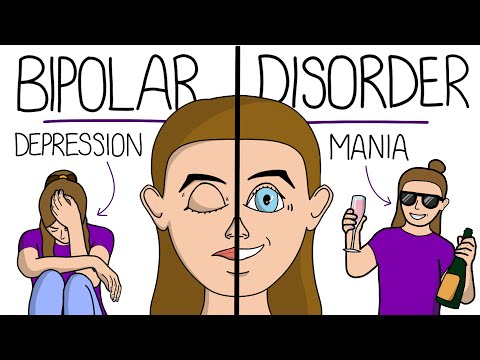
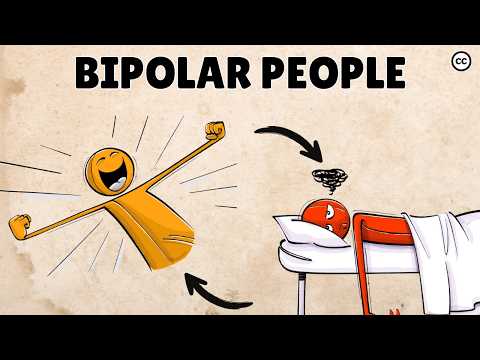
Bipolar disorder involves experiencing extreme mood swings—from manic highs to depressive lows. During these times, what you think and how you feel can be totally different. Imagine you’re on a rollercoaster; one moment you’re soaring high above everyone else, feeling invincible, and the next, you’re plummeting down into a pit of despair.
During manic episodes, individuals might have racing thoughts which can lead to some really chaotic thinking patterns. You could feel like your brain is firing on all cylinders! Everything seems possible; ideas are flowing like water in a fountain. But here’s the kicker: this rapid thought process can also cause confusion and difficulty focusing. You might start five projects at once but never finish any of them.
Conversely, in depressive phases, it’s almost like hitting a mental brick wall. You might experience negative self-talk that seems relentless: “I’m not good enough,” or “I’ll never get it together.” This kind of thinking makes everything seem pointless—like trying to see colors in black and white.
Here are some key thought processes common in bipolar disorder:
- Impulsivity: During manic states, individuals may make snap decisions without considering consequences.
- Grandiosity: A sense of inflated self-esteem during highs can lead to unrealistic plans.
- Hopelessness: When deep in depression; this thought pattern often makes seeing any light at the end of the tunnel feel impossible.
- Cognitive Disruption: The rapid shifts in mood can cause disruption in logical thinking. Making simple decisions becomes daunting.
You know how we all have good days and bad days? For someone with bipolar disorder, those «days» might happen several times within just a few hours! Their thoughts fluctuate wildly depending on their current emotional state.
Take Sarah for example—a friend who dealt with bipolar disorder—during her manic phase, she opened a bakery after brainstorming dozens of ideas that felt genius at 3 AM. Yet when she fell into depression weeks later, she couldn’t even get out of bed to check messages from customers waiting for orders.
In essence, these emotional waves shape an individual’s cognitive landscape remarkably—and navigating through them isn’t easy at all. It’s vital for friends and family members to understand this unique thought process so they can provide support without judgment or frustration.
Recognizing these patterns not only aids understanding but creates empathy for those living with bipolar disorder. So yeah, while it may seem like an emotional rollercoaster from the outside looking in—there’s so much complexity under the surface that deserves compassion and awareness!
Understanding Daily Mood Swings in Bipolar Disorder: Insights and Management Strategies
Bipolar disorder can feel like riding a roller coaster, and that’s putting it mildly. You know, one minute you’re up, feeling invincible, and then the next, you’re down in the depths of despair. These mood swings are part of what’s called **bipolar episodes**, which can disrupt daily life, relationships, and even work. Let’s break this down a bit.
First off, it’s essential to understand what **mood swings** in bipolar disorder really are. They don’t just happen randomly; they’re typically linked to specific phases of the disorder. There are generally two main types of episodes: **manic** (or hypomanic) and **depressive**.
During a manic episode, you might feel:
- Increased energy
- Heightened mood or euphoria
- Racing thoughts
- Lowered need for sleep
It can feel amazing at first! But over time, this energy can lead to impulsive decisions—like making big purchases or saying things you might regret later.
On the flip side, during a depressive episode:
- Feelings of sadness or emptiness
- Lack of interest in activities you used to love
- Fatigue and a heavy sense of hopelessness
- Difficulty concentrating
Those deep lows can be tough. And they often make simple tasks like getting out of bed feel monumental.
Now you might wonder about daily functionalities during these moods. Let’s say you wake up feeling great—ready to take on the world! But then something triggers an emotional dip. Maybe you got a text that didn’t sit well with you or you bombed an important meeting. Just like that—boom! Your vibrant day is clouded by doubt and sadness.
So how do people manage these emotional waves? There’s no one-size-fits-all answer here since everyone’s experience is unique. However, there are some strategies that could help:
- Mood Tracking: Keeping a journal or using apps to log your mood daily can provide insights into triggers.
- Routine Establishment: Sticking to a regular sleep schedule and daily routines often helps stabilize moods.
- Therapy: Engaging with professionals (not promoting anything here!) who specialize in bipolar disorder can be incredibly beneficial.
- Medication: Many find relief through prescribed medications that balance mood swings effectively.
Remember when I said it felt like a roller coaster? Well, the ups and downs don’t always come neatly packaged; sometimes they overlap or switch suddenly without warning.
A personal story comes to mind—a friend once shared how he’d planned an epic road trip while feeling high as a kite during his manic phase. But just two days later, after what seemed like an ordinary morning coffee with friends, he crashed hard into depression. Suddenly plans became overwhelming rather than exciting.
In essence, living with bipolar disorder means navigating emotional waves that come and go unpredictably. It’s crucial to find ways that work for you personally—everyone’s rhythm is different! Balancing support from loved ones with professional guidance makes all the difference too.
So keep educating yourself about this complex condition because understanding it is half the battle! Embrace those highs when they come but be gentle with yourself during the lows; they won’t last forever—they never do!
Understanding the Duration of Bipolar Depressive Episodes: Key Insights and Factors
Bipolar depressive episodes can feel like riding a rollercoaster that you didn’t sign up for. One moment, you might be at the peak of happiness, and the next, you’re deep in the valley of despair. Understanding how long these depressive episodes last is super important—not just for those experiencing them but also for family and friends who want to be there for their loved ones.
So, let’s break this down a bit. First off, the duration of bipolar depressive episodes can vary widely. Some might last just a few days, while others can stretch on for weeks or even months. It’s like trying to predict the weather in spring; you never really know what’s coming next!
Now, there are several key factors that influence this duration:
- Individual Differences: Every person’s experience with bipolar disorder is unique. Just think about it—two people can have completely different life experiences and reactions to treatment.
- Triggers: Certain events or stressors can kick off these depressive phases. Losing a job or experiencing a relationship breakdown might send someone into a longer episode.
- Treatment Adherence: Sticking to medication and therapy plans makes a huge difference. If someone isn’t consistent with their treatment, they might find their depressive episodes dragging on longer.
- Personal Support Systems: Having a strong support network can help shorten these periods of depression. Support from family and friends creates an emotional buffer.
- Coping Mechanisms: Those who’ve developed healthy coping strategies often manage their emotions better, which can reduce the time spent in depression.
Let me tell you about my friend Alex. He has been managing bipolar disorder for years now. When he first started experiencing these depressive episodes, they would last around three weeks or more because he didn’t fully understand what was happening or how to cope with it. But after working with his therapist and learning some effective strategies (like mindfulness and journaling), he’s noticed those lows now typically last only about one week! It was such an eye-opener for him.
Another point worth mentioning is how **comorbid conditions** can extend the duration of depressive episodes too. For instance, if someone has anxiety alongside bipolar disorder, managing both at once might make those lows feel even heavier.
So what’s the takeaway? Bipolar depressive episodes aren’t one-size-fits-all events; they’re unique journeys shaped by personal experiences and circumstances. The road may be bumpy at times with unpredictable twists and turns, but understanding some of these factors offers hope—and a little clarity—in what feels like chaos sometimes.
Bipolar disorder can feel a bit like riding an emotional rollercoaster, you know? One minute you’re soaring high, feeling invincible, and the next, you’re crashing down into a deep pit of despair. It’s those crazy emotional waves that really define the experience.
I remember a friend once describing it to me. She said when she was in her manic phase, everything seemed brighter—the music was louder, and colors were more vibrant. She felt like she could conquer the world! But then came that painful shift; she’d find herself spiraling down into sadness so profound that just getting out of bed felt like climbing Everest. That stark contrast is something many people with bipolar disorder face regularly.
So, what’s actually going on during these episodes? Well, it’s all about mood swings. Bipolar disorder typically involves alternating periods of mania (or hypomania) and depression. During mania, your energy skyrockets—you might feel euphoric or extremely irritable. You could be impulsive too; maybe you splurge on things you don’t need or take risks without thinking twice. It’s like having a superpower—but one that can easily turn into chaos.
On the flip side, when the depression hits, it can be crushing. Everything feels heavy and gray, blanketed in an emotional fog. Simple tasks become mountains to climb—like even just making a cup of coffee can feel Herculean.
But here’s the thing: understanding these waves isn’t just about recognizing when they happen; it’s also about knowing there are rhythms to them—patterns that can sometimes offer some predictability in an unpredictable sea of emotions. Maybe there are certain triggers for your moods or signs that foreshadow a shift—like losing sleep during mania or becoming withdrawn before a depressive episode.
It helps to talk about these experiences with someone you trust too—just sharing your feelings can lighten the load a little bit. People don’t always get it unless they’ve been through it themselves. When friends don’t understand why you’re suddenly withdrawn or overly energetic—it can be kind of isolating.
At the end of the day, navigating these emotional waves requires patience and self-compassion. It’s okay to ride them out instead of fighting every tide that comes your way. Sometimes it’s simply about understanding yourself better as someone who experiences life with both highs and lows—embracing those extremes as part of who you are rather than something to hide from.
So whether you’re feeling on top of the world or arguing with shadows in your mind, know you’re not alone in this intricate dance of emotions!