So, let’s chat about something that can be a bit tricky: Bipolar I Depression. You might have heard about it or know someone dealing with it.
The thing is, it’s not just about mood swings. There’s a whole spectrum of emotions and experiences that come with it. It’s like riding an emotional rollercoaster, but sometimes you don’t even know when the ride will end.
Imagine feeling super up one minute—like, on top of the world—and then suddenly crashing down into a pit of despair. Yeah, that can be part of the deal.
Understanding this stuff isn’t just for psychologists or those in therapy; it’s for all of us. We got to get real about what people with Bipolar I go through and how it affects their lives and relationships.
So grab your favorite drink, settle in, and let’s break this down together.
Understanding the Differences Between Bipolar Disorder and Bipolar Depression: Key Insights and Clarifications
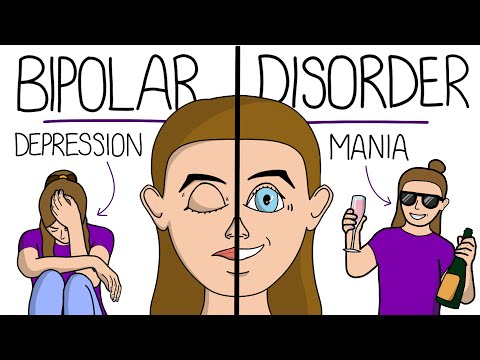
Bipolar disorder can feel pretty complex, right? You’ve got two main components: manic episodes and depressive episodes. But, when you hear about **bipolar depression**, it’s easy to think it’s just a synonym for the depressive side of bipolar disorder. Let’s break this down a bit.
Bipolar Disorder is a mental health condition characterized by extreme mood swings. You go from feeling super high, like on top of the world, to deep lows that can feel almost hopeless. There are two main types: Bipolar I and Bipolar II. Bipolar I typically involves at least one manic episode—where you might feel invincible, talk fast, or even spend money wildly. People often think mania is just being really happy, but it can lead to some serious issues.
Then there’s bipolar depression, which is specifically about those low periods. It’s not just feeling sad; it’s more like being in a fog that seems to cling to you. You might lose interest in hobbies you once loved or struggle with everyday tasks that used to be easy peasy.
Here’s where it gets interesting: while bipolar depression happens within the context of bipolar disorder, not everyone with bipolar disorder experiences their depressive phase in the same way.
- Duration: Manic episodes usually last longer than depressive ones for many people.
- Sensitivity: During a depressive episode, a person may be more sensitive—like feeling emotions more deeply than usual.
- Functionality: Some folks might be able to function somewhat normally during a manic episode but struggle immensely during depression.
- Cue Triggers: Stressful events can trigger either phase differently depending on the individual.
When talking about **Bipolar I Depression**, it often feels quite heavy. This specific type includes symptoms like fatigue and hopelessness that can make day-to-day life feel utterly exhausting. Imagine waking up every day feeling like you’re lugging around weights just to get out of bed. That’s what this can sometimes feel like.
Interestingly enough, there’re times when someone might have symptoms of both mania and depression at the same time; this could lead to what’s known as a mixed episode. It sounds confusing! Picture someone feeling depressed but also restless and irritable at the same time—it creates this chaotic blend of emotions.
Another way of looking at it is how these conditions impact your relationships and lifestyle choices—people experiencing bipolar disorder often find it alters how they connect with others or make decisions during different phases.
In summary, while bipolar depression is part of the larger picture of bipolar disorder—it’s important to understand these nuances. Recognizing how both elements function separately can seriously help in managing them better and gaining insight into your emotional journey or that of someone close to you.
So yeah, whether you’re curious about your own experiences or trying to understand someone else’s struggles with these conditions—knowledge gives power!
Understanding the Modern Terminology for Manic Depression: Current Insights and Definitions
Manic depression, a term you might have heard or read about, has evolved into what we now call **bipolar disorder**. It’s interesting how language changes over time, especially in the field of mental health. So, let’s unpack this a bit.
First off, what is **bipolar disorder**? Essentially, it involves extreme mood swings that include emotional highs (mania or hypomania) and lows (depression). These fluctuations can really affect daily life and relationships. Kids might feel on top of the world one moment and then crash down hard the next. The key takeaway here is that it’s not just feeling “up” or “down”—it’s like a roller coaster ride that can last days, weeks, or even longer.
Now, within this umbrella of bipolar disorder, you’ve got different types. For example:
- Bipolar I Disorder: This is characterized by at least one manic episode that lasts at least seven days or so severe that hospitalization is needed.
- Bipolar II Disorder: This includes a pattern of depressive episodes and hypomanic episodes but not the full-blown mania typical of Bipolar I.
- Cyclothymic Disorder: It’s milder than the other two and involves multiple periods of hypomanic symptoms as well as periods of depressive symptoms lasting for at least two years.
You might be wondering why all these distinctions matter. Well, each type has its own treatment approach and understanding it can help people get the right support they need.
Also important is how people experience these episodes differently. For some folks with Bipolar I, initial mania might give them boundless energy—think staying up all night brainstorming wild ideas or feeling invincible at work. But this could swing to deep sadness where they struggle to get out of bed or find joy in anything.
The thing is, many folks don’t get diagnosed right away. Sometimes they just think they are moody or «just how they are.» This misunderstanding can lead to looking for help later than ideal. And if you’re someone who loves someone with bipolar disorder—or if you suspect you might have it—just know it’s totally okay to seek information and clarification.
When we talk about current insights into bipolar disorder today, there’s more focus on understanding triggers and patterns. Things like stress, sleep changes, and even seasons can impact someone’s mood swings. Mental health professionals often race to identify these factors in treatment plans.
So basically, **understanding bipolar disorder** isn’t just about recognizing the mood swings; it’s also about observing personal rhythms—the emotions behind them—and figuring out what works best for each individual person.
Lastly—hey—if you’re looking to learn more about yourself or someone close to you who might be struggling with bipolar disorder? Just remember there are tons of resources out there helping break down these modern terms and connect people with support networks that really understand what they’re going through!
Exploring Psychological Theories of Bipolar Disorder: Insights and Implications
Bipolar disorder is this complex condition that flips between high-energy states known as mania and lows that can be pretty debilitating, like depression. When you’re diving into the psychological theories behind bipolar disorder—especially the I type—it’s like peering into this intricate maze of emotions and thoughts.
So, let’s break it down a bit. One important theory is the **biopsychosocial model**. This one’s a mouthful but here’s the deal: it looks at how biology (like genetics), psychology (thought patterns), and social factors (like environment) all intertwine. Imagine if someone’s grandfather had bipolar; that might affect their chances of facing similar issues one day, especially when mixed with their personal experiences and social backdrop.
Another interesting angle comes from **cognitive theories**. They focus on how folks with bipolar disorder might think differently during those manic or depressive phases. For instance, during a manic episode, you might feel invincible, like nothing can stop you. But when you’re down? Everything feels heavy and hopeless. It’s like flipping a switch—your thoughts just race or slow to a crawl.
Then there’s the **neuroscience perspective** which dives into the brain’s wiring and chemistry. Certain neurotransmitters—those tiny messengers in your brain—play crucial roles here. If they’re outta whack, your mood swings might go haywire too!
And let’s not forget about **psychodynamic theories**. These focus on inner conflicts or unresolved issues from childhood impacting mood regulation later in life. Think about it: if someone faced emotional turbulence growing up, their brain might struggle with managing emotions as an adult.
One other major idea is this concept of **stress vulnerability** which talks about how stress can trigger episodes in people more prone to the disorder due to their genetic background or past experiences.
Here are some key implications of these theories:
- Understanding Triggers: Recognizing factors that can spark episodes helps you manage them better.
- Therapeutic Approaches: Different therapies can target specific thought patterns or underlying issues.
- Family Support: Having informed loved ones can make such a difference during tough times!
The thing is, understanding bipolar disorder through these lenses offers hope for better management strategies. Whether through therapy, medication, or lifestyle tweaks—you’re not alone in this battle! Seriously, knowing there are various ways to view this condition makes navigating it feel less daunting.
So yeah, when exploring these psychological theories about bipolar I depression, remember it’s all interconnected—a dance between mind and body shaped by life experiences!
Bipolar I depression can be one of those heavy topics, but it’s vital to chat about it. So, you know, when people think of bipolar disorder, they usually picture those wild mood swings—expansive highs and crushing lows. It’s like riding a rollercoaster all the time. But let’s focus on the depressed side for a moment because it can feel like being stuck in a fog that just won’t lift.
Imagine waking up one day feeling like each movement is a monumental task. You might even feel numb to everything around you. Like, suddenly, your favorite song sounds bland and even getting out of bed feels like you’re climbing Mount Everest. It’s confusing, right? Because on the outside, people may not see how much you’re struggling.
Psychologically speaking, when someone is in a depressive state of Bipolar I, their brain chemistry takes quite a hit. Neurotransmitters—the little guys responsible for mood regulation—can go haywire. Serotonin and dopamine levels drop significantly during these episodes, making joy seem unreachable.
I once had a friend who went through this kind of depression. One day we were laughing over dinner; the next week he barely replied to my texts. It wasn’t that he didn’t care; he just felt trapped in this deep pit that seemed endless. That really opened my eyes to how isolating it can be when your emotions are at war with each other.
On top of that, there’s this pesky feeling of guilt that tags along with bipolar depression. You start thinking thoughts like “I should be better by now,” or “Why can’t I just snap out of it?” It’s almost as if your mind tells you that you’re not trying hard enough when really, it’s more complicated than that.
So how do we make sense of all this? Well, understanding bipolar I depression through a psychological lens involves recognizing not just the symptoms but also the underlying emotional pain and struggles associated with them. Encouraging open conversations about mental health can also help diminish stigma and create supportive environments where people feel safe sharing their experiences—like my friend did eventually!
The thing is, while bipolar I depression can feel overwhelming and isolating at times—know there are paths to navigate these feelings. With a supportive community and perhaps some professional guidance for those who seek it out—a flicker of light can emerge from the darkness after all!