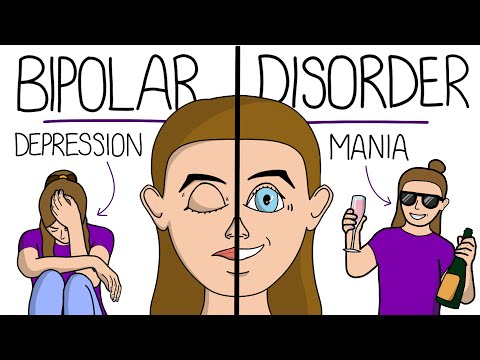
Hey, you know that feeling when everything just seems too much? Like, the highs are sky-high and the lows can drag you down into a pit? That’s kinda what bipolar I mania looks like. It’s intense, unpredictable, and honestly? It can be tough to wrap your head around.
So, imagine this: one moment you’re buzzing with energy, taking on the world like a superhero. The next, it feels like you just hit rock bottom. Sounds wild right? Well, that’s the rollercoaster many people experience.
Let’s chat about it—what it feels like, what goes on in your brain during those manic phases. We’ll break it down together and try to make sense of this whirlwind. Buckle up!
Understanding Bipolar Thinking: Insights into the Mind of a Person with Bipolar Disorder
Understanding bipolar thinking is like peeking into a world that swings between extremes. Imagine being on a rollercoaster that goes up really high one moment and then drops down low the next. This kind of ride is what many people with bipolar disorder experience, particularly during the manic phases.
People often associate bipolar disorder with mood swings, but it’s way more complex. There are two main types: **Bipolar I** and **Bipolar II**. In Bipolar I, the mania can be intense and sometimes disrupts daily life significantly. During these manic episodes, you might feel invincible—full of energy, racing thoughts, and an urge to engage in activities that could be risky or uncharacteristic of you.
Now, picture someone named Alex. One moment, Alex is bursting with creativity and planning wild adventures like skydiving or starting a new business overnight. All this excitement feels amazing! But soon enough, that high can flip to a low where even getting out of bed feels like climbing a mountain. It’s not just about feeling sad; it’s about grappling with an emotional heavy blanket.
So what characterizes bipolar thinking? Well:
- Rapid Thoughts: During manic phases, thoughts can come at lightning speed. It’s hard to keep up! Sometimes it feels like your brain is running a marathon while your body is just trying to catch a breath.
- Risky Behavior: You may find yourself making impulsive decisions—like spending too much money or engaging in unsafe activities—because everything feels possible.
- Inflated Self-Esteem: There’s often a sense of grandiosity where you believe you can accomplish anything and everything.
- Disconnect: In these highs, connecting with reality can become tricky. It’s like seeing life through a filter that makes everything look bright but not necessarily clear.
But here’s the thing: when that mania fades away, the crash can be brutal. Imagine being on top of the world one day and then feeling completely lost the next day as if all those peaks were just illusions.
People with bipolar disorder might face challenges in their relationships too because others may struggle to understand what they’re going through. Friends might see them as unpredictable or even moody without realizing this isn’t simply moodiness—it’s part of navigating bipolar thinking.
Support is crucial here! Understanding what someone goes through helps bridge the gap for friends and family who want to be there for their loved ones struggling with this condition.
And while talking about treatment might seem off-topic here, managing bipolar disorder usually involves therapy and sometimes medication aimed at stabilizing those ups and downs—not erasing them but helping someone find balance.
Ultimately, understanding bipolar thinking means recognizing its complexity beyond just mood swings—realizing how vibrant highs carry weighty lows within them too! It teaches you empathy for others’ experiences while shining light on how intertwined emotions are in our lives—and let’s face it; we all have our ups and downs in some form or another!
Understanding Bipolar I vs. Bipolar II: Key Differences and Implications
Bipolar disorder can be a bit confusing, especially when you start digging into the differences between Bipolar I and Bipolar II. So, let’s break it down, shall we?
First off, both types are part of the same family but have some pretty significant differences when it comes to symptoms and severity. Here’s how they stack up:
- Bipolar I Disorder: This is characterized by one or more manic episodes. You might be thinking, what does that mean? Well, during a manic episode, a person can feel super energized, overly happy, and sometimes even invincible. But here’s the kicker: it can get intense enough that it disrupts life—think hospital visits or serious issues at work.
- Bipolar II Disorder: On the other hand, this type includes at least one major depressive episode and one hypomanic episode. Hypomania is like a milder version of mania. You might feel really good or productive but not so out of control that it leads to major problems.
To throw in a quick example: imagine someone with **Bipolar I** suddenly feeling on top of the world and deciding to quit their job because they think they’ll start a business—only to crash shortly after into depression. That kind of high-low cycle can drastically affect their life.
Now, if you’ve got **Bipolar II**, you might sense those mood swings too—but they’re generally less intense. Like if someone feels really energized for a few days (that hypomanic state) but still manages to go to work and maintain relationships without too much disruption.
Another big difference is duration and frequency. Manic episodes in Bipolar I can last for weeks or even longer if left untreated. With Bipolar II’s hypomanic episodes, they usually last just a few days at most—and often people around them might not even notice those highs.
So why does it matter? The implications are huge! People with **Bipolar I** may need more aggressive treatment because their symptoms are often more severe. This could mean medications that stabilize mood more thoroughly or therapy that targets those extreme highs and lows.
In contrast, treatment for **Bipolar II** may focus more on managing depression while keeping track of those less intense hypomanic episodes.
Feeling overwhelmed? You wouldn’t be alone; many people don’t completely understand these disorders until they’ve experienced them firsthand—or watched someone close to them go through it. It’s like climbing a rollercoaster; thrilling at times but scary too!
So there you have it—the key differences between Bipolar I and Bipolar II! Just remember; understanding these differences can help foster empathy for yourself or others dealing with either type. It’s all about recognizing how unique each person’s journey is through this emotional landscape!
Understanding Bipolar Disorder Symptoms in Women: A Comprehensive Guide
Bipolar disorder is a complex mental health condition that can look different for everyone, but some symptoms can stand out, especially in women. It’s all about those mood swings that go way beyond the usual ups and downs we all experience. So, let’s break it down!
First off, there are two main types: **Bipolar I** and **Bipolar II**. The thing with Bipolar I is that it involves manic episodes that last at least a week. During these manic phases, a woman might feel like she’s on top of the world—super energized, super productive, but not necessarily in a balanced way.
When we talk about **mania**, you might notice these common symptoms:
- Increased energy: Women may feel like they can conquer anything! They might be cleaning the house at 3 AM or starting new projects left and right.
- Elevated mood: Imagine feeling unreasonably happy or euphoric for days on end without a clear reason.
- Racing thoughts: It’s like their brains are running a marathon; they might struggle to focus on one thing.
- Poor decision-making: There’s this tendency to take big risks—spending sprees or impulsive travel plans without thinking twice!
But here’s where things get really tricky: after the high comes the low. In women, this can often lead to episodes of **depression**, which can include feeling hopeless, losing interest in things they used to enjoy, and even having problems with sleep. It really can feel like a rollercoaster ride—one minute you’re flying high, and the next you’re down in the dumps.
Another part to consider is how these symptoms show up differently due to various factors in women’s lives. For instance:
- Hormonal changes: Events like menstruation or pregnancy can impact mood fluctuations significantly.
- Coping mechanisms: Women might develop different ways of coping with stress compared to men which could influence how symptoms appear.
One thing that often gets overlooked is how stigma plays a role here. Women may feel pressured to appear “normal” and hide their symptoms due to fear of judgment. This might lead to them downplaying their feelings when they actually should be seeking help.
It’s important for loved ones—friends, partners, family—to recognize these signs too! If someone you care about is exhibiting these behaviors consistently over time, it could be an indication they need support.
So remember: understanding bipolar disorder means recognizing that it isn’t one-size-fits-all. Each person’s journey looks unique! Having open conversations about mental health can make such a huge difference in encouraging those who struggle with it to seek help when they need it.
In short, being aware of women-specific symptoms and challenges around bipolar disorder is crucial for better understanding and support. The more knowledge we share among ourselves about mental health issues like this one, the more empowered we become as individuals—and as friends!
You know, when we think about mental health, it’s easy to get lost in all the technical jargon and theories. But sometimes, reflecting on real-life experiences can shed light on complex topics like Bipolar I Mania. Imagine a friend of yours who’s usually chill and laid-back suddenly bursting with energy, talking a mile a minute, and taking on a million projects at once. It’s like they’ve been shot out of a cannon!
Mania is one of those wild states that people with Bipolar I can go through. It’s not just feeling “really happy” or having a good day; it’s much more intense than that. During mania, you might feel invincible, like you can conquer the world. You’re super productive but also kind of reckless—like spending tons of cash on things you don’t need or making impulsive decisions without thinking them through.
My cousin went through something similar last year. She was always this amazing artist but during her manic episodes, she created an entire gallery’s worth of work in just a few weeks. While everyone was cheering her on at first, eventually it became clear that her sleep deprivation and erratic behavior were taking a toll on her health and relationships. It’s mind-blowing how something that starts as pure creativity can spiral out into chaos if not managed well.
Psychologically speaking, mania often distorts perception—you might feel euphoric but also irritable if things don’t go your way. It’s like being on this high-speed train where you can’t control the brakes! One moment you’re sky-high with ideas and possibilities, and the next moment someone bumps into your metaphorical train tracks… boom! All that excitement could flip into frustration or anger.
The effects don’t just stay in your head either; they ripple outward into all aspects of life—personal relationships often take hits because friends might struggle to keep up or understand what’s happening. And then there’s the crash; after the highs come these intense lows that leave people feeling completely drained and confused.
So yeah, understanding Bipolar I Mania involves not just knowing what it is but also grasping its emotional landscape—the highs can be exhilarating yet dangerously deceptive while the lows hit hard afterward. It sheds light on how important it is for both individuals experiencing these swings and their loved ones to have open dialogues about mental health—because nobody should feel alone in navigating such turbulent waters.