Hey there! So, let’s talk about something that doesn’t get enough air time: bipolar disorder in teenagers. Yeah, it sounds heavy, but stick with me.
You know, being a teenager is already a rollercoaster of emotions, right? Now imagine throwing in some serious mood swings. Fun times ahead!
Bipolar disorder can really shake things up for young folks. It’s not just about feeling sad or really happy. It’s like living in a world where emotions just can’t make up their minds.
If you’ve ever felt totally on top of the world one minute and then crash down the next, you might relate more than you think. So, let’s unpack what this all means and how it hits teens in the real world.
Assessing Bipolar Disorder in Children: A Comprehensive Quiz for Parents
Assessing bipolar disorder in children can be a pretty daunting task for any parent. You want to make sure that you’re seeing things clearly, right? Well, the first step is really paying attention to some key behaviors and emotional changes in your child.
Bipolar disorder isn’t just about having mood swings. It’s like that roller coaster you didn’t sign up for—one minute, your child might be on top of the world, and then they could crash down hard. So how do you know when these highs and lows reach a level that needs more than just your usual parenting techniques?
Let’s break it down a bit. When observing your child, consider these signs:
- Extreme Mood Changes: One moment they’re super energetic or talkative—almost like they’re bouncing off the walls. Then suddenly, they are withdrawn or melancholy.
- Sleep Patterns: Look out for drastic changes in sleep. Are they sleeping way less (and still feeling energized), or do they want to sleep all day?
- Social Interactions: Notice if there’s a shift in how they interact with friends or family. Are they more irritable or getting into arguments?
- Impulsivity: Do you see them making reckless decisions? Like spending all their allowance on something totally unnecessary?
- Aggression or Anger: Keep an eye on whether little frustrations lead to outbursts that seem out of proportion.
Now, none of this means your child definitely has bipolar disorder—it’s complicated! Children can have mood swings for lots of reasons: stress from school, friendships gone sour, or even just typical growing pains.
But here’s where things get tricky: kids often don’t express their feelings as clearly as adults do; it can be a puzzle sometimes. For instance, I had this friend whose nephew would go from being an amazing storyteller full of life to sulking and refusing to talk about his day after just one comment from his teacher. It was hard for his parents to pin down what was going on.
If you notice a consistent pattern of these symptoms over time, that’s when it might become important to talk with someone who can help—like a pediatrician or psychologist who specializes in kids’ mental health issues.
What’s important here is that you trust yourself as a parent! Keeping a **journal** of their behaviors can really help paint the bigger picture over time. You might jot down dates and events around mood changes too! This info could be super useful later when discussing things with healthcare professionals.
And one last thing: if things start feeling overwhelming—don’t hesitate to reach out for support yourself! It can really help talking with others who understand what you’re going through.
So, remember: pay attention to those moods and behaviors but also give yourself some grace during this process; figuring it all out is no small feat!
Understanding the Signs of Bipolar Disorder in Teenage Girls: A Comprehensive Guide
Bipolar disorder can be a confusing topic, especially when it comes to understanding how it affects teenage girls. One minute they might seem totally fine, and the next, they’re deeply down. This rollercoaster can create a lot of chaos in their lives.
So, what are some signs of bipolar disorder in teenage girls? Well, let’s break it down.
- Extreme mood swings: You might notice that your teenager goes from being super happy and energetic to feeling really low and withdrawn. These shifts aren’t just typical teenage moods; they can last for days or even weeks.
- Changes in sleep patterns: A girl with bipolar disorder may suddenly start sleeping a lot more than usual or even struggle with insomnia. Imagine her staying up late at night full of ideas and energy—then crashing for days afterward.
- Unusual irritability: If your teen seems irritable or angry over small things, it could be a sign. It’s like one small problem can send her into a spiral of frustration—almost as if she can’t help it.
- Impulsive behavior: This might show up as risky actions like reckless driving, sudden changes in friends, or even experimenting with drugs. Picture her deciding on a whim to skip school just because she feels like it.
- Difficulties in school: She may struggle to keep up with assignments or lose interest in subjects she once loved. It’s like everything feels overwhelming all of a sudden.
- Loss of interest: When she’s not feeling herself, the things that used to excite her might not matter anymore. Hobbies can feel pointless, leaving you wondering where that vibrant girl went.
- Low self-esteem: During depressive episodes, teens can be hard on themselves and feel worthless. They might compare themselves unfavorably against others constantly.
Now, you might be thinking about how this really plays out in real life. For example, let’s say Sarah has always been the star athlete on her soccer team. But after experiencing a tough breakup with her first boyfriend—a common teen drama—she spirals into sadness for weeks. Then suddenly, she’s throwing herself into practice like there’s no tomorrow. You see those ups and downs? That’s what we’re talking about here.
Recognizing these signs early is crucial for getting support and resources that can truly help the teenager cope with these changes. Parents or guardians must keep an open line of communication—like just sitting down and chatting without judgment about how she’s feeling.
In summary, being aware of these symptoms helps create awareness around bipolar disorder among teenage girls. If you notice these signs showing up consistently instead of just occasionally during typical growth phases—it might be worth seeking further consultation from professionals who know this stuff inside out!
Identifying Early Signs of Bipolar Disorder in Young Adults: A Comprehensive Guide
Bipolar disorder can be tricky, especially when it comes to young adults. You might notice some mood swings or changes in behavior, but figuring out what’s going on isn’t always easy. It’s important to catch the early signs, because the sooner you identify them, the better!
What is Bipolar Disorder?
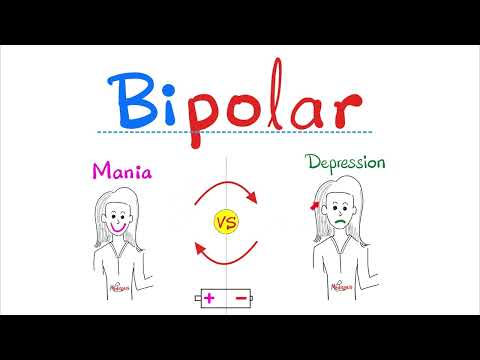
Bipolar disorder is a mental health condition that causes extreme mood changes. These can range from super high-energy states (mania or hypomania) to deep lows (depression). Imagine being on a rollercoaster that never stops—you might feel like you’re flying one minute and then plummeting the next.
Signs of Bipolar Disorder
Here’s where things get interesting. Many young adults may not even realize they’re experiencing symptoms. Some common signs to look out for include:
- Extreme mood swings: Like, going from feeling invincible and full of ideas to feeling hopeless and unmotivated.
- Changes in activity levels: This could mean suddenly being all over the place—working late into the night—or on the flip side, wanting to sleep all day.
- Impulsive behavior: Some might start spending money wildly or engaging in risky activities without thinking twice.
- Difficulty focusing: One moment they’re super focused; the next, they can’t keep their mind on anything.
Think about it this way: imagine your friend who usually loves going out suddenly decides they want to quit everything and just stay in bed for days. It’s a big shift!
The Importance of Recognizing Patterns
Spotting these patterns early can be lifesaving! For instance, if someone starts having more frequent bursts of energy followed by long periods of feeling down, it might be time for a deeper look into what’s happening.
And here’s something crucial: **not every young adult with mood swings has bipolar disorder**. But if the shifts are impacting their daily life, it’s definitely worth discussing with someone who can help.
Anecdote Time!
I remember a friend from college who was the life of every party—always upbeat and joking around. Then he started pulling away from everyone and seemed tired all the time. At first, we thought he was just burned out from schoolwork. But over time, his highs got higher and his lows got lower until he finally reached out for help. Turns out he was experiencing early signs of bipolar disorder! The whole situation opened my eyes about how important it is to pay attention.
You Can Make a Difference
If you notice these signs in someone close to you—or even within yourself—don’t hesitate to seek support! Talking openly about mental health can promote understanding—even if it feels awkward at first.
Remember: Early recognition and a supportive environment can lead to better outcomes! So keep an eye out for those shifting moods and behaviors—it could make all the difference down the road.
Bipolar disorder is one of those things that can feel pretty complex, especially when you’re thinking about teens. One minute they’re on top of the world, feeling invincible and super motivated, and the next, they might be in a dark place where it’s hard to get out of bed. It’s like living on a rollercoaster that you didn’t sign up for.
Imagine being a teenager who should be focusing on friends, school, and figuring out who you are. Instead, they are sometimes battling intense mood swings that can totally disrupt their lives. It’s heartbreaking in a way because people often don’t see what’s going on underneath the surface. I remember a friend of mine had to deal with this during high school. He’d have these incredible bursts of creativity and energy—he was writing music like crazy! Then, out of nowhere, he’d drop into this heavy sadness that made him pull away from everyone.
This cycle can really impact friendships. Friends may not understand why someone is acting one way one day and completely different the next. That confusion can lead to isolation. And honestly? That’s tough for anyone to handle at any age, but especially when you’re still trying to figure out who you are.
School life also takes a hit with bipolar disorder. Imagine trying to keep up with assignments while dealing with all that emotional upheaval… It can feel impossible! The highs can lead to impulsive decisions or taking on too much at once; while the lows make even getting through a single class feel like climbing Everest.
One thing people might not realize is how important support is during these times. When teenagers have understanding friends or family help them navigate through these ups and downs, it makes such a huge difference. They need people who get it—people who recognize it’s not just “teenage angst” but something deeper.
So yeah, understanding bipolar disorder in teens isn’t just about recognizing mood swings; it’s about seeing how these feelings influence their entire world around them—socially, academically, personally—and finding ways we can support them without judgment. We all want teens to find their groove without feeling like they have to do it alone in this crazy journey we call life!