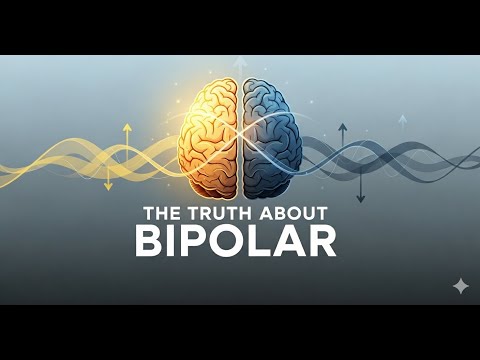
So, let’s talk about bipolar mania. You know, that extreme high where everything seems possible? It’s like riding the ultimate rollercoaster, but the twists and turns can be a bit intense.
Imagine feeling so energized you can’t sleep for days. You feel invincible, creative, and ready to conquer the world! But here’s the kicker—this whirlwind often comes with a price.
That rush of euphoria can flip faster than you think. Suddenly, things can get dark really quickly. It’s tricky and complex, right?
I mean, understanding what goes on in someone’s head during these highs isn’t just fascinating—it’s super important. Let’s break it down together!
Understanding the Sensations of Bipolar Mania: A Comprehensive Guide
Bipolar mania is one of those intense experiences that can feel like riding a roller coaster, but without the safety harness. It’s when someone with bipolar disorder enters a phase of elevated mood, energy, and often increased activity. Understanding what this feels like can be super helpful for both the person experiencing it and those around them.
When you’re in a manic episode, everything seems to shift gears. You might notice your mind racing. Thoughts come at you so fast that it’s hard to keep up. This is actually called “flight of ideas.” It’s like your brain is on overdrive, and ideas jump from one to another, making sense in a way that can be exhilarating but also confusing.
Another sensation many report is an overwhelming sense of euphoria. You might feel invincible—like nothing can hold you back. This could lead to impulsive decisions or risky behaviors, such as spending a ton of money on things you don’t need or engaging in unsafe activities. For instance, imagine suddenly deciding to book an extravagant trip without considering your budget. That’s got classic mania written all over it!
And let’s talk about energy levels! You may feel like you’ve got the energy of five people crammed into your body. Sleep often takes a backseat during these episodes—some folks find they need hardly any rest at all, while others might just skip sleep altogether for days on end. So if you find yourself wanting to paint the entire house at 2 AM without feeling tired? Yep, that could be mania!
But it’s not all fun and games; while some sensations are thrilling, others can get chaotic real quick. The elevated mood might swing into irritability or agitation if things don’t go your way. It’s like being on a high-speed train; there are moments where the ride is fantastic but then suddenly it’s rattling down the tracks and you’re holding on for dear life.
Psychotic symptoms can also occur during severe manic episodes—this means experiencing delusions or hallucinations. Imagine believing absolutely that you’re destined to become famous overnight or thinking someone is out to get you when they’re not even in the room! This adds complexity since reality starts bending in ways that can get really disorienting.
So why does all this matter? Understanding these sensations helps build empathy and awareness both personally and socially. If you’re living with bipolar disorder or know someone who is, recognizing these markers makes navigating life just a bit easier.
To wrap it up:
- Racing thoughts: Ideas leap from one to another.
- Euphoria: A sense of invincibility leading to risk-taking.
- High energy: Minimal need for sleep.
- Irritability: Mood swings can happen rapidly.
- Psycho symptoms: Potential loss of contact with reality.
Understanding mania isn’t just about labeling feelings; it’s about fostering connections and support systems through some pretty wild emotional rides!
Comprehensive Bipolar Disorder Journal PDF: Tools for Self-Monitoring and Management
Bipolar disorder can be a real rollercoaster, right? You know, one minute you’re soaring high with tons of energy, and the next, you’re sinking into a deep pit of sadness. It’s no wonder that keeping track of these mood swings can feel like a full-time job. That’s where a comprehensive bipolar disorder journal comes into play. It can be your little buddy for self-monitoring and managing your emotions.
So, what does this journal really do? Well, it serves as a space for you to jot down how you feel on any given day. It can help you notice patterns in your moods—like when they spike or dip—so that you might see triggers more clearly. You might find that stress at work pushes you toward mania or that certain situations drag you into depression.
Here are some tools and ideas to consider including in your journal:
- Date and Time: Write down when you’re making entries. This helps track changes over time.
- Daily Mood Ratings: Rate how you’re feeling each day on a scale from 1 to 10. You could also use simple emojis to represent your mood!
- Sleep Patterns: Note how much sleep you’re getting. Lack of sleep can mess with mood stability.
- Triggers: Identify what might have led to mood shifts, like stressful events or interactions.
- Coping Strategies: List what helps when you’re feeling low or overly energetic. This is super helpful for future reference!
The **psychology of bipolar mania** is really interesting because it often includes symptoms like racing thoughts, impulsive behavior, or even grand plans that don’t quite pan out later on. Keeping tabs on those moments by writing them down could help you reflect later and maybe spot patterns before they escalate.
It’s also important for emotional management. When you’re feeling overwhelmed by emotions—whether it’s manic excitement or deep sadness—your journal becomes an outlet. Writing it all down lets off steam; it’s cathartic! Plus, sometimes just the act of writing can help clarify your thoughts.
Lastly, looking back through the journal allows you to see progress over time. It might surprise you how much you’ve grown or changed—or even how certain strategies have worked better than others for managing your symptoms.
So yeah, regular journaling isn’t just about tracking moods; it’s about self-discovery too! A comprehensive bipolar disorder journal could be a game changer in helping manage this journey while providing valuable insights into your emotional world.
Understanding the Pathophysiology of Bipolar Disorder: Comprehensive PDF Guide
Bipolar disorder, you know, is one of those complex conditions that messes with a person’s mood and behavior. It can swing between high-energy mania and deep, dark depression. So, let’s break down the pathophysiology behind it—the biological processes that lead to what we see in people living with this condition.
First off, it’s all about the brain. Neurotransmitters, those little chemical messengers in your brain, play a big role. When they’re out of whack—like when there’s too much dopamine during manic phases—things get wild. You might feel supercharged but kinda lose touch with reality sometimes.
Genetics also throws its hat in the ring. If someone in your family has bipolar disorder, your chances of developing it are higher. It’s like having bad luck genes. But don’t freak out; it doesn’t guarantee you’ll have it—it just means there could be a greater risk.
Another factor? Brain structures. Studies show that certain parts of the brain can look different in people with bipolar disorder compared to those who don’t have it. For instance, areas involved in regulating emotions—like the amygdala—can be overactive during manic episodes.
Then there’s the whole environmental piece. Stressful life events or major changes can trigger episodes. Think about someone who gets a promotion at work—it could push them into mania if they’re already on edge emotionally.
Oh, and let’s not forget about circadian rhythms. These are your body’s natural cycles for sleeping and waking up. Disruptions here—like staying up all night during a manic phase—can create more chaos and lead to more severe mood swings.
People often ask how all this ties into real life. Well, if someone is buzzing with energy during mania, they might make impulsive decisions—like quitting their job or spending way too much money on stuff they don’t need! During depressive phases? It can feel like an endless pit where getting out of bed feels like running a marathon.
So yeah, understanding the pathophysiology of bipolar disorder helps everyone—from scientists digging deeper to friends trying to be supportive. By knowing what’s going on inside the brain and body, we can better understand the struggles faced by those living with it.
Being aware of these factors is crucial not just for treatment but also for compassion towards others who might be riding this emotional rollercoaster every day!
Bipolar mania is wild. Seriously, it can feel like riding a roller coaster, except you’re the one controlling the speed and direction, sometimes without even realizing it. One moment you might be on top of the world, full of energy and ideas; then, in a blink, that high can turn into something more chaotic.
So picture this: imagine a friend who’s usually pretty chill suddenly bursting into your life with this insane energy. They’re talking a mile a minute, suggesting wild plans like launching a band or starting a business overnight. It’s thrilling! You might even find yourself swept up in their enthusiasm. But here’s where it gets tricky—what goes up must come down. The often unmanageable highs of mania can lead to impulsive decisions and risky behaviors that could hurt them or those around them.
Understanding this frenzy sometimes makes me think about how society often romanticizes these manic moments. We hear stories about creative geniuses who’ve had bipolar disorder and turned their episodes into masterpieces. But the reality is way more complex. Yeah, those bursts can lead to incredible achievements, but they also come with immense emotional costs. Think about how many people have lost relationships or struggled in their careers because they’ve been caught in that whirlwind.
The part I find really interesting is how individuals experience mania differently. For some, it’s all about creativity and inspiration; for others, it involves irritability or aggression—like someone has flipped a switch from happy to furious in seconds flat! It’s not just one size fits all; everyone’s brain has its own unique rhythm when dealing with these mood shifts.
And then there’s the aftermath: when the high fades and frustration sets in. That feeling of emptiness can be overwhelming; trying to navigate through those emotional lows after a manic episode is like walking through mud—slow and exhausting.
So what does this mean for people who care for someone with bipolar disorder? Being supportive isn’t easy but understanding this whirlwind journey helps. It reminds you that what they’re experiencing isn’t just “being difficult.” There are real mental processes at play here—fluctuations in mood caused by chemical changes in the brain often beyond their control.
In short, bipolar mania invites us to consider the full spectrum of human emotion and experience—not just the highs but also the lows that follow after—and reminds us to approach both sides with compassion and empathy. That’s something we all could use more of!