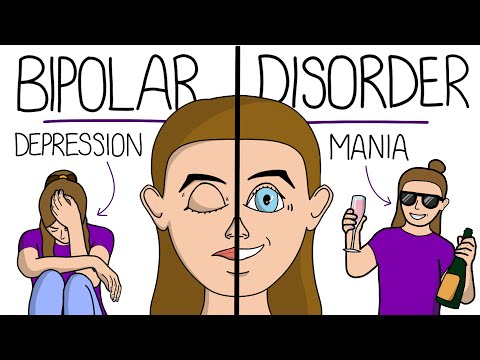
You know, bipolar manic episodes can be pretty intense. One minute, everything feels electric, and the next? Whoa, it’s like a rollercoaster ride you didn’t sign up for.
Picture your friend who suddenly has more energy than a kid hyped up on candy. That’s a bit what it’s like! And trust me, it’s not just about being super happy or overly excited.
It can change how someone thinks, feels, and acts in ways that can be hard to keep track of. So let’s break it down together; we’ll untangle this whirlwind of emotions and behaviors. You’ll see it’s not as confusing as it seems at first glance!
Understanding the Symptoms of a Bipolar Manic Episode: Key Indicators and Insights
Bipolar disorder can be a real rollercoaster, you know? One of the key components of this condition is the manic episode. So, let’s break down what a manic episode looks like and the symptoms that come with it.
What’s a Manic Episode?
Basically, it’s a period when someone experiences an overly elevated mood. Think of it as how you feel when you just won the lottery—but in this case, it lasts way longer than just a moment of excitement.
Key Symptoms:
When you’re looking at someone having a manic episode, keep an eye out for these signs:
- Increased Energy: The person might be buzzing around like they’ve had ten cups of coffee. They might take on big tasks all at once.
- Unrealistic Optimism: They could have plans that are totally out there—like starting five new businesses in a week.
- Talkativeness: You know that friend who won’t let you get a word in? Yeah, during a manic episode, they might dominate conversations and speak super fast.
- Racing Thoughts: It’s like their brain is on fast-forward. You might notice they jump from one topic to another without finishing sentences.
- Decreased Need for Sleep: Imagine being wide awake after only a couple of hours of sleep! They may feel refreshed even though they barely slept.
- Poor Decision-Making: This can lead to risky behaviors, like spending sprees or impulsive choices that seem bizarre later on.
Now, let’s put these symptoms into perspective. You might have seen this unfold with someone you care about. Remember when your buddy decided to quit their job and travel around the world—without any plan? Or how about that time your cousin threw an extravagant party with no budget in sight? Those impulsive decisions can really stem from those manic episodes.
Affecting Relationships:
During these times, relationships can really take a hit. Friends and family might struggle to connect or understand what’s happening because the person feels so different. Imagine having someone who was usually calm suddenly oscillating between extreme confidence and erratic behavior; it can feel confusing and even overwhelming for everyone involved.
The Cycle Continues:
After experiencing mania, many people crash into depression afterward. It’s like riding high on this wave only to crash down hard later on. It’s such an emotional whirlwind.
Understanding these symptoms is key for everyone around someone who experiences bipolar disorder—whether you’re their friend or family member—or even if you’re dealing with it personally. Recognizing those signs early could lead to better management strategies or support systems in place.
So yeah, if you see someone exhibiting these indicators during what seems like an unusually high-energy period, it’s worth keeping an eye out because it may not just be excitement—it could be something more complex at play!
Understanding Manic Episode Symptoms: Key Signs and Insights for Better Mental Health
Bipolar disorder can feel like a rollercoaster, with manic episodes being one of the wildest parts of the ride. Understanding the symptoms is crucial, not just for those experiencing them but also for friends and family who want to support their loved ones. So, let’s break down what happens during these manic episodes and why they matter.
First up, what is a manic episode? Well, it’s a period of intense energy and euphoria that can sometimes take a wild turn. Picture this: you’re buzzing with excitement, thinking you can tackle everything in sight—like running a marathon or starting five new projects at once. It’s almost like you’re on caffeine overload.
Now, onto the key symptoms you might notice:
- Elevated mood: You might feel on top of the world. Everything seems amazing! But sometimes this high can lead to irritability.
- Increased energy: You could have so much pep that sleep feels optional. Seriously, you might be up all night rearranging furniture or planning your next big adventure.
- Racing thoughts: Your brain feels like it’s running a marathon too! Ideas come flying in at light speed; it’s hard to keep track.
- Talkativeness: You find yourself chatting up everyone around. It’s this urge to share your thoughts and ideas—sometimes without a pause!
- Poor decision-making: With all this excitement comes some risky choices—from spending sprees to impulsive actions—because hey, nothing could go wrong, right?
Imagine Sarah—a friend who loves planning parties. One day she decides to throw an epic bash for every single holiday of the year! Her enthusiasm is contagious—but it also leads her to overspend and exhaust herself trying to pull everything together.
So why do these episodes matter? Well, they can lead people into situations that aren’t just risky but might also harm relationships and health in the long run. Understanding these signs helps create awareness—both personally and within one’s social circle.
Another thing to grasp is how long these episodes last. They vary widely—from days to weeks—and can be followed by depressive phases that are just as intense in their own way.
In essence, recognizing these symptoms allows those affected—and their loved ones—to better manage them. And although it might feel overwhelming sometimes, knowing what’s going on makes navigating through such experiences much easier.
Remember: if you or someone you know resonates with any of these signs frequently or intensely, reaching out for support can make all the difference!
Hypomania: Understanding Symptoms, Legal Implications, and Management Strategies
Hypomania is that intriguing state that sits somewhere between being totally chill and full-blown mania. If you’re familiar with the ups and downs of bipolar disorder, you’ll know that hypomania often acts as a sneaky precursor to manic episodes. It’s characterized by an elevated mood, increased energy, and a touch of impulsivity. But what’s going on in the mind during these periods?
Typically, when someone is in a hypomanic state, they might feel unusually happy or irritable. Their thoughts race; they might talk faster than usual or jump from one topic to another like it’s hopscotch. And let me tell you, they’re often more productive than usual—like they could tackle ten projects at once! But sometimes this heightened state can lead to risky behavior. You know—spending sprees, reckless driving, or excessive partying that they’d later regret.
Now let’s break down some common symptoms of hypomania:
- Boosted Energy: You feel like you’re running on caffeine even if you haven’t had any.
- Increased Creativity: Suddenly every idea seems incredible! You’re ready to start those three books you’ve been thinking about.
- Decreased Need for Sleep: Four hours of snooze feels like a whole night in dreamland.
- Impulsiveness: You order something wild online or go skydiving on a whim.
- Irritability: Quickly turning grumpy when things don’t go your way.
It’s important to recognize these signs! The tricky part is understanding the legal implications around hypomania. People experiencing these episodes might make decisions without fully realizing how their actions affect their lives—and others’. For instance, if someone signs a contract during this euphoric phase and then later tries to back out when they’re back down to earth? Well, this can lead to legal disputes and confusion about accountability.
Sometimes people in hypomanic states may engage in behaviors that could lead them into trouble with the law – like driving recklessly or engaging in financial contracts they can’t stick with later on. This blur between responsibility and mental health can be really tough.
So how do we manage hypomania effectively? Here are some strategies that could help bring balance:
- Mood Tracking: Keeping tabs on your feelings daily can help spot patterns sooner.
- Cognitive Behavioral Therapy (CBT): This therapeutic approach helps reframe unhelpful thoughts and find healthier coping mechanisms.
- Meditation: Calming techniques can help center your mind when you’re buzzing with energy.
- Meds Might Be Needed: Sometimes medication prescribed by a doctor becomes essential in keeping those highs in check.
And here’s something I want you to keep in mind: communication is key! If you have friends or family who notice shifts in your mood or behavior, having an open conversation about it can provide valuable insights—and maybe even help avert potential pitfalls.
In summary, while hypomania has its high-flying perks—it also carries risks that need careful management. Keeping an eye out for those symptoms, staying aware of any legal implications linked to your decisions during those times, and implementing management strategies can help maintain stability and peace of mind through life’s ups and downs. Remember: balance is everything!
So, here’s the thing about bipolar manic episodes—they’re like riding a rollercoaster that you didn’t even mean to get on. One moment you feel euphoric, like the world is your oyster, and the next? Well, let’s just say, it can turn chaotic really fast.
Imagine you’re at a party. The music’s pumping, everyone is laughing and having a blast. You’re on fire! Your thoughts are racing. You feel like you could take over the world. You’re making plans left and right—starting new projects, spending money like it grows on trees, or perhaps even going out and talking to every person in the room. It’s thrilling!
But then reality hits hard. There’s this sudden drop where that high fades into overwhelming energy that can leave you feeling jittery or irritable. And sometimes, it spirals into thoughts that race too fast even for your brain to catch up with—like trying to grab hold of smoke.
I remember a friend who went through this kind of thing. One night we were at their place; they were energetic and fun, talking about all their big ideas—plans to travel the world or write a book in a weekend! But then, by the next day, they were flooded with anxiety about how they’d ever accomplish any of it. Suddenly feeling overwhelmed by everything they’d committed to in such a short burst of energy.
What’s interesting is how bipolar disorder isn’t just these wild highs and lows; there’s a kind of rhythm or cycle to it all. Manic episodes can lead to artistic bursts or major accomplishments if managed well—like those moments when creativity flows so freely you can’t help but want to capture every thought on paper!
But there’s also this dark side where impulsivity takes control—spending sprees that lead you broke or risky behavior that puts you in harm’s way. It’s almost like being given keys to a car without knowing how to drive yet! You speed off but don’t know when to hit the brakes.
Understanding these dynamics is crucial—not just for those experiencing them but for friends and family too. It helps build empathy and awareness about what someone might be going through during these manic phases.
So yeah, while manic episodes can feel exhilarating at first glance, peeling back those layers reveals complexities that make it essential for everyone involved to understand what might come next—a need for balance amid all that chaos!