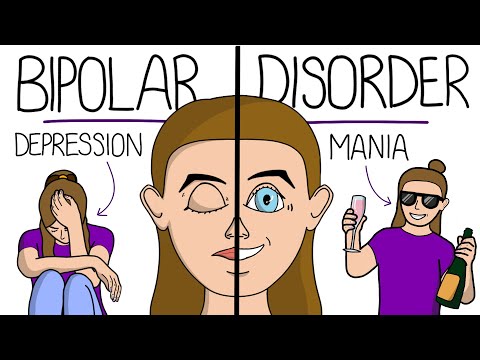
You know, life can be a bit of a rollercoaster sometimes, right? One minute you’re riding high, feeling like you could conquer the world. Then, in the blink of an eye, you’re down in the dumps, struggling to get out of bed.
That’s kinda how bipolar mood shifts work. They can flip like a switch without much warning. And it’s not just about being moody—there’s a whole lot more going on under the surface.
So let’s break it down, you know? We’ll chat about what these mood swings mean and how they fit into the bigger picture of our mental health. Stick around; there’s some cool stuff to unpack here!
Understanding the Thought Processes of Individuals with Bipolar Disorder
Bipolar disorder can be a wild ride, and understanding the thought processes of individuals with this condition is super important. Imagine being on a rollercoaster where your emotions go from soaring highs to gut-wrenching lows. That’s basically what people with bipolar disorder experience.
When someone is in a **manic episode**, their thoughts might race like they’re in a high-speed chase. They could feel overly energized, confident, and even euphoric. During this time, the brain processes information quickly, which can lead to impulsive decisions, like spending sprees or taking risks that they might usually avoid. They may think they can accomplish anything, but it’s essential to remember that this isn’t always grounded in reality.
On the flip side, during **depressive episodes**, everything can feel heavy and slow. Thoughts might drift towards negativity or hopelessness. A person may struggle to concentrate or even make simple decisions because their mind feels foggy or empty. It’s like walking through mud while everyone else is sprinting past you—all that energy seems just out of reach.
Here are some key factors worth noting about thought processes in bipolar disorder:
- Rapid Cycling: Some folks experience four or more mood changes within a year. This means their thought patterns can shift dramatically multiple times, making it hard to pin down how they feel.
- Cognitive Distortions: During manic states, people may have an inflated self-image; during depressive states, they might see themselves as worthless. These distortions affect how they perceive situations and their own abilities.
- Hyperfocus vs. Lack of Focus: In mania, individuals may hyperfocus on projects or ideas but struggle to complete them later when they’re down again.
- Social Interaction: Those with bipolar disorder often experience fluctuations in how social they feel; during highs, they might be overly social and charismatic but retreat into isolation during lows.
You know how it feels when you’re excited about something? You think about it all the time! Well, during manic phases, that excitement can snowball into an obsession with ideas or projects—making it hard for them to stay grounded.
I remember chatting with a friend who has bipolar disorder. She told me that sometimes she feels as if her brain is firing on all cylinders when she’s manic—like she can tackle anything! But then she’d hit these low points where even getting out of bed felt like climbing Mount Everest. Her thoughts would spiral into “What’s the point?” That contrast really opened my eyes to how differently thoughts can flow depending on where someone is on that emotional spectrum.
So really, understanding someone’s thought process during these shifts isn’t just about recognizing their mood; it’s about seeing how deeply those feelings intertwine with everything else going on in their minds—and life overall!
Bipolar Symptoms in Men: Recognizing Signs and Seeking Help
Bipolar disorder can be a bit like riding a rollercoaster, where emotions swing from euphoric highs to crushing lows. And while it affects everyone differently, men can have their own unique signs and symptoms. The thing is, recognizing these symptoms early on can really make a difference in getting the right support.
In the manic phase, you might notice some pretty intense behaviors. Men with bipolar disorder often experience increased energy and activity levels. You might feel like you’re on top of the world, talking fast and taking on way too many projects at once. You could also feel unusually confident, like nothing can go wrong. This is often when risky behaviors, like spending sprees or unprotected sex, come into play. It’s almost as if your brain has hit the turbo button!
On the flip side, during depressive episodes, it’s like someone hit the brakes hard. You could find yourself feeling exhausted all the time or losing interest in activities you used to love. It might be tough to just get out of bed some days. Feelings of hopelessness or worthlessness can creep in too—like you’re stuck in a dark tunnel with no light at the end.
One key thing to remember is that these mood shifts aren’t just mood swings; they are more severe and last longer than typical emotions. Sometimes they might even last for days or weeks! And whether you’re experiencing mania or depression, irritability can be heightened too—so watch out for those moments when anger flares up for seemingly no reason.
In recognizing these patterns, it’s helpful to pay attention not only to your own behavior but also to how people around you react. Maybe a friend mentions that you’ve been acting different lately? That feedback isn’t just noise; it could be an important clue.
If this sounds familiar or resonates with what you’ve noticed in yourself or someone else, seeking help is crucial! Talking to a mental health professional can provide clearer insights into what’s going on. They make sense of those chaotic feelings and help create coping strategies that work for your life.
So really, don’t hesitate! Reaching out isn’t a sign of weakness; it’s actually pretty brave. With proper support and treatment—often involving mood stabilizers or therapy—you can find balance again and take control over these wild emotional swings.
In essence, understanding bipolar symptoms in men means being aware of both ends of the emotional spectrum: from those high-flying moments filled with creativity and excitement to the deep lows that leave you feeling trapped in sadness. Recognizing these signs early on matters—it could lead you toward clarity and improve your day-to-day life immensely!
Understanding Daily Mood Swings in Bipolar Disorder: Insights and Management Strategies
Daily mood swings can be, like, super intense if you’re dealing with bipolar disorder. You know, this condition is all about those drastic shifts in mood that can flip from high energy to feeling down. Basically, it’s like being on a rollercoaster that never stops, and understanding this process is really important.
So here’s the deal: bipolar disorder involves changes in mood that can last for days or even weeks. These shifts include manic episodes, where someone feels super energetic and euphoric, and depressive episodes, which are marked by feelings of sadness and hopelessness. It’s important to recognize these patterns so you can manage them better.
You might notice changes based on different factors like stress levels or sleep patterns. For example, if you had a bad night’s sleep, you could wake up feeling really low. But then after a coffee and some good news at work, boom—your mood lifts! This highlights how moods aren’t just random; they often have triggers.
- Triggers: These can be anything from a stressful situation to changes in routine.
- Coping strategies: Finding ways to cope with these triggers is crucial for stability.
- Mood tracking: Keeping a daily journal of your feelings might help identify what influences your mood swings.
You might have heard about things like “hypomania.” It’s basically a milder form of mania where you feel good but still manage day-to-day life pretty well; however, it can sneakily tip into full-blown mania if not kept in check. Just think of it like that friend who has too much caffeine but thinks they’re totally fine!
Managing these daily swings isn’t just about medication (though meds are often part of the picture). It involves lifestyle choices too—stuff like regular sleep schedules, meditation, and even exercise play big roles. Have you ever noticed how going for a run or doing yoga lifts your spirits? Well, there’s something to that!
- Create routines: Establishing consistent daily routines helps create stability.
- Avoiding drugs and alcohol: These substances can really mess with your mood swings.
- Simplifying stressors: Reducing unnecessary stress where possible contributes to better mood regulation.
A little story for ya: I once knew someone who struggled with bipolar disorder. They started keeping track of their moods in an app on their phone—you know? Simple entries about how they felt each day. After a few months, patterns started popping up! They realized weekends were often tough due to family dynamics. Identifying that helped them find ways to prepare better when those days rolled around. It was all about gaining insight into themselves!
The key takeaway? Daily mood swings in bipolar disorder are totally manageable with awareness and support from loved ones or professionals when necessary. Understanding the emotional landscape helps navigate it more smoothly. And remember: You’re not alone on this journey; many people experience similar ups and downs!
Bipolar mood shifts can feel like riding a rollercoaster you didn’t sign up for. One moment you’re on top of the world, feeling invincible, and the next, you’re in a dark pit of despair, wondering how you got there. It’s not just about being happy or sad; it’s way more complex than that. You might see someone bustling around with endless energy during a manic phase—making grand plans or taking risks they wouldn’t normally consider. Then come the lows, when getting out of bed feels like climbing a mountain.
Let me tell you about my friend Alex. He’s one of those guys who can charm just about anyone with his quick wit and contagious laughter. But I’ve seen him spiral down during his depressive episodes, where he hardly leaves his apartment for days. It’s tough to watch because it feels so outside his control, almost like he’s possessed by another person altogether.
Bipolar disorder is all about these intense mood swings that can happen over days, weeks, or even months. You know how life can be unpredictable? Well, imagine your emotions swinging wildly from extreme joy to deep sadness without much notice—that’s what it’s like for someone with this condition. And it doesn’t mean they’re just moody or overly dramatic; it’s an actual psychological issue rooted in brain chemistry.
The big thing to realize is that there are different types of bipolar disorder too—like Bipolar I, which includes manic episodes that last at least seven days; and Bipolar II, featuring more hypomanic episodes but major depressive ones as well. Not everyone experiences the same shifts or symptoms either; it’s kind of unique to each person.
Understanding this helps break down some stigma around it. People often think they’re flaky or unreliable when they can’t control their mood changes. But hey, that’s not fair at all! It’s more about managing those fluctuations through therapy and medication.
So if you know someone with bipolar disorder—or if you’re navigating this yourself—remember that these mood shifts are part of a bigger psychological picture. It’s a journey filled with ups and downs but also opportunities for understanding and support along the way. Having empathy really goes a long way in helping those we care about feel seen and understood during their toughest moments.