So, let’s talk about bipolar mood disorder. It’s one of those phrases that gets tossed around a lot, but what does it really mean?
You know, some people think bipolar is just about being happy one minute and super sad the next. But it goes way deeper than that.
Imagine riding a rollercoaster—up and down, twists and turns. That’s kinda what living with this disorder can feel like.
There are these intense mood swings that can mess with every part of life—work, relationships, even just chilling at home. And guess what? There’s a whole system called DSM-5 that helps professionals figure this stuff out!
In this chat, we’ll break down what bipolar disorder is all about from a psychological standpoint. Just you and me exploring the ups and downs together! Sounds good?
Understanding Bipolar Disorder: A Psychological Perspective on Its Impact and Treatment
Bipolar disorder, it’s not just a fancy term people throw around. It’s a pretty complex condition that affects mood, energy levels, thoughts, and behavior. Basically, folks with bipolar disorder experience extreme mood swings that can range from super high highs to really low lows. These shifts can feel like riding a rollercoaster that just won’t stop!
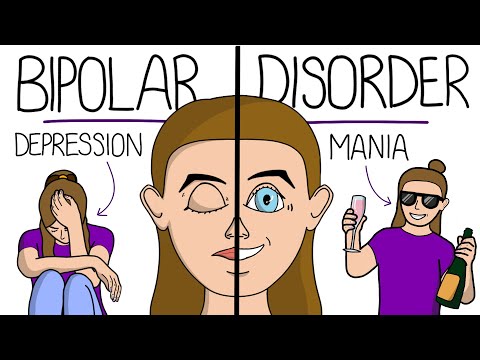
What exactly does this mean? Well, during the manic phases, a person might feel overly excited or energized. They might talk faster than usual and have racing thoughts. It’s as if they’ve chugged a dozen energy drinks! On the flip side, during depressive episodes, everything feels heavy. It’s hard to get out of bed or even find motivation to do things that once sparked joy.
Now let’s break it down in more detail:
- Manic Episodes: These episodes can last from days to weeks. People might engage in risky behaviors—think spending sprees or jumping into relationships without much thought.
- Depressive Episodes: These are characterized by feelings of sadness and hopelessness. You know those times when you just want to hide under the blankets? Yep, that’s part of it.
- Cyclothymic Disorder: Some folks experience milder symptoms over at least two years (one year for kids and teens). It’s still significant but doesn’t hit as hard as full-blown bipolar disorder.
So how does this all fit into the DSM-5? The Diagnostic and Statistical Manual of Mental Disorders is basically the go-to book for understanding mental health conditions. It lays out clear criteria for diagnosing bipolar disorder—including the different types like Bipolar I and Bipolar II.
Sometimes it’s hard to pinpoint when someone should see a professional for help. If your moods swing so drastically that they interfere with daily life—like work or relationships—it might be time to talk to someone who knows their stuff.
Now about treatment: it usually involves a mix of medications, like mood stabilizers or antipsychotics, along with therapy. Cognitive-behavioral therapy (CBT) is pretty common because it helps people manage their thoughts and behaviors during those wild mood swings.
Just think about Sarah for a moment. One day she’s on top of the world, planning big vacations and making grandiose plans for her future. A week later? She can barely muster up enough energy to shower. This inconsistency can leave her feeling exhausted—not just physically but emotionally too.
It’s vital to remember that everyone’s experience with bipolar disorder is different—like no two fingerprints are alike! Support systems play such an important role too; having friends or family who understand what you’re going through can make a world of difference.
In essence, understanding bipolar disorder means recognizing how daunting those ups and downs can be—both for the person experiencing them and for their loved ones too! It takes time, patience, and often support from mental health professionals to find effective ways to cope with this reality.
Understanding DSM-5 Criteria for Diagnosing Bipolar Disorder: A Comprehensive Guide
Bipolar disorder, often misunderstood, is a mental health condition that affects a person’s mood, energy, and ability to function. The DSM-5, which stands for the Diagnostic and Statistical Manual of Mental Disorders, Fifth Edition, lays out specific criteria for diagnosing this disorder. So let’s break it down together.
First off, bipolar disorder mainly involves extreme mood swings. People with this condition experience **manic** episodes (or hypomanic ones) and **depressive** episodes. To get a formal diagnosis, you have to meet certain criteria set by the DSM-5.
Manic Episodes are characterized by at least one week of elevated or irritable mood. Here’s what it might look like:
- Feeling overly happy or excited.
- Having racing thoughts or jumping from one idea to another.
- Taking on way too much responsibility—like planning an event that’s way too big for you.
- Sleeping less but feeling full of energy.
- Engaging in risky behaviors such as spending sprees or reckless driving.
Imagine someone who suddenly feels like they can conquer the world! They stay up all night creating a new business plan but overcommit themselves and struggle later on when reality kicks in.
Then there are the Depressive Episodes, which require at least two weeks of feeling hopeless or sad. Key features include:
- Losing interest in activities you once enjoyed—like those hobbies that used to light you up.
- Feeling fatigued or low on energy all the time; getting out of bed feels like moving a mountain.
- Struggling with feelings of worthlessness or guilt—thinking everything is your fault.
- Difficulties concentrating or making decisions; even choosing what to eat can feel overwhelming.
For instance, after experiencing those highs during manic phases, someone may crash hard into despair when they feel unable to get out of bed for days.
Now let’s touch on some other important points. To be diagnosed with bipolar disorder according to the DSM-5:
You must have experienced at least one manic episode. If you haven’t had a full manic episode but have had some hypomanic symptoms (which are less severe), it still counts towards diagnosis under certain conditions.
Also important is the recognition that these mood shifts can disrupt your life significantly—relationships suffer, work gets affected, and daily functioning becomes tough.
Moreover, bipolar disorder isn’t just about having “mood swings.” It’s essential to consider how long these episodes last and how severe they are over time—a kind of rollercoaster ride that can be exhausting both physically and emotionally!
It’s also worth noting that there are different types within bipolar disorder. For instance:
- Bipolar I: This includes episodes of full-blown mania lasting at least seven days (or any duration if hospitalization is required) and depressive episodes lasting at least two weeks.
- Bipolar II: Characterized primarily by depressive episodes alongside at least one hypomanic episode (which isn’t as extreme as full mania).
A common misconception? People often think bipolar disorder only means bouncing back and forth between happiness and sadness—it’s much more nuanced than that!
Finally, remember that diagnosing bipolar disorder isn’t straightforward; it often requires thorough assessments by mental health professionals who look into your history. Your experiences matter greatly here since every person’s journey with bipolar disorder can be quite unique.
So there you have it—a quick breakdown of what goes into understanding the DSM-5 criteria for diagnosing bipolar disorder! It’s definitely complex but takes away some stigma while promoting better awareness about an often-misunderstood condition.
Comprehensive Guide to DSM-5 Bipolar Disorder Criteria: Downloadable PDF Resource
Sure! Let’s chat about bipolar disorder as it’s laid out in the DSM-5, which is basically a big ole book that mental health professionals use to diagnose and classify mental disorders.
Bipolar disorder is not just about mood swings. It consists of distinct periods of mania and depression. When someone is experiencing mania, they might feel supercharged—like they can do anything! Imagine being on top of the world, but then crashing down to a dark place during depressive episodes.
So, what are the key criteria for diagnosing bipolar disorder? Here’s the gist:
- Manic Episode: This is when you have an elevated mood lasting at least a week (or any duration if hospitalization is needed). You might feel euphoric, irritable, or unusually energetic.
- Depressive Episode: This includes feeling sad or empty most of the day, losing interest in things you usually enjoy for at least two weeks.
- Cyclothymic Disorder: If you’ve had periods of hypomania (less severe than full-blown mania) and depression for at least two years (one year in children), that’s cyclothymia. It can be like being on a rollercoaster without ever quite hitting those extreme highs and lows.
- Mixed Features: Sometimes you can have symptoms of both mania and depression at the same time during one episode. Imagine feeling super energetic but also really down—it’s confusing!
Diagnosis isn’t just about ticking off boxes; it involves looking at how these mood changes impact your life. For instance, what happens when someone gets so manic they stop caring about their job or relationships? These episodes typically lead to substantial impairment—like trouble keeping friends because you’re too erratic or moody.
But wait—there’s more! Different types of bipolar disorder exist:
- Bipolar I: Involves at least one manic episode that might be preceded or followed by depressive episodes.
- Bipolar II: You’ll have hypomanic episodes but never full-blown mania. However, depressive episodes can still hit hard.
Now let’s get real for a second—when someone deals with bipolar disorder, it doesn’t just affect them; it ripples out. Family members might struggle with understanding behaviors that seem out-of-character or irregular. Friends may feel like they’re walking on eggshells during these ups and downs.
It’s also essential to understand that diagnosing bipolar disorder isn’t cut-and-dry—it takes careful evaluation by professionals who look into your history and experiences over time. They’ll consider other factors like substance use or medical conditions because sometimes those can mimic symptoms.
So, if you’re looking into resources like downloadable PDFs about DSM-5 criteria for bipolar disorder, just remember it’s not merely about learning checklists; it’s about really grasping this complex emotional spectrum that people navigate daily. Being informed helps create awareness—it sparks conversations around mental health and reduces stigma.
If you’re interested in diving deeper into this topic without getting lost in jargon-y text books, feel free to research more credible sources! That’s where you’ll start piecing together a broader understanding of how bipolar disorder plays out in real life scenarios—not just what’s written down in black and white.
Bipolar Mood Disorder is like a rollercoaster ride for the mind. One minute, you might be on this thrilling high, feeling invincible and bursting with creativity. And then, without warning, you plunge into a deep low where getting out of bed feels like climbing a mountain. It’s all about those extreme shifts in mood.
The DSM-5 (that’s the Diagnostic and Statistical Manual of Mental Disorders, for those not in the know) lays out what bipolar disorder looks like. But here’s the thing: it’s way more complex than just ticking boxes on a list. The DSM-5 helps professionals identify bipolar disorder using specific criteria, but it often misses the emotional weight behind those symptoms.
Imagine someone sitting at their kitchen table one morning, feeling as if they could conquer the world—maybe planning to start a new business or write that book they always wanted to. Then suddenly, they’re in a dark hole, unable to muster the energy to even make breakfast. It’s like living in two different worlds but never getting a chance to really connect with either of them.
What I find interesting is how society often misunderstands this disorder. People see “bipolar” tossed around casually sometimes—like when someone describes having an off day as “feeling bipolar.” That trivializes real experiences of those who live with it daily. It can feel isolating when your mood swings are branded as just being “moody.”
And then there’s treatment. Managing bipolar disorder typically involves medication and therapy—kind of like trying to find the right balance on that crazy rollercoaster. Medication might help smooth out those extreme highs and lows, while therapy can offer strategies for coping with life’s ups and downs.
But even with all that support, there’s still so much stigma attached to mental health issues like this one. You hear stories about people struggling not just with their feelings but also worrying about how others perceive them.
At the end of the day, bipolar mood disorder is more than its clinical definition; it’s about human experiences and emotions that connect us all—how we love, struggle, create, and feel deeply. It’s a journey that needs kindness and understanding instead of judgment or misunderstanding.