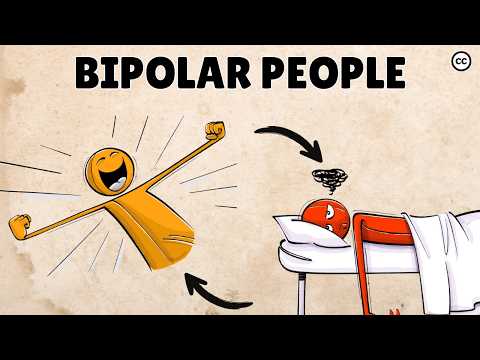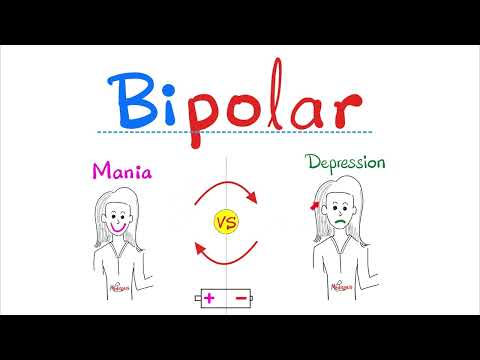
You know, mental health can be a tricky topic. Especially when it comes to something like bipolar disorder. It’s not just about the highs and lows; there’s so much more to it. Seriously, it affects how you feel, think, and act.
Now, if you or someone you care about is navigating this rollercoaster, you’re probably wondering what support’s out there. The NHS has some resources that could really help. But understanding how to use them? That can be a bit overwhelming.
So here we are—let’s chat about bipolar disorder and all the support options through the NHS. We’ll break it down together and make sense of it!
Exploring the Psychological Perspective of Bipolar Disorder: Insights and Implications
Bipolar disorder is one of those mental health conditions that can really shake things up. It’s not just about feeling sad or happy; it involves extreme mood swings that can affect your daily life, relationships, and work. You might experience phases of intense energy and euphoria, called mania, followed by deep depressive episodes. Understanding this condition through a psychological lens is vital for grasping how it affects individuals.
The Role of Mood Episodes
People with bipolar disorder often go through distinct episodes. During a manic phase, you might feel invincible, full of ideas, or even reckless—like you could take on the world! But then comes the crash: feelings of hopelessness and exhaustion set in during depressive episodes. This rollercoaster can be bewildering for those experiencing it and for their loved ones.
- Mania: Imagine being on top of the world! You’re overflowing with creativity and energy.
- Depression: Now flip it—you feel buried under sadness and fatigue.
Cognitive Patterns
People with bipolar disorder often struggle with distorted thinking during both extremes. In mania, they might overestimate their abilities or make impulsive decisions without considering consequences. In contrast, during depression, negative thoughts can spiral out of control; everything seems bleak or worthless. This variability isn’t just frustrating; it’s also a significant part of how bipolar disorder operates psychologically.
You might think about that friend who took a wild trip to Europe during a manic phase but then couldn’t get out of bed for weeks when they returned. These cognitive shifts play a big role in shaping emotions and behaviors.
NHS Support Systems
When we talk about NHS support, it’s essential to note that mental healthcare focuses on providing holistic approaches tailored to individual needs. There’s therapy available like cognitive behavioral therapy (CBT) which helps reshape those tricky thoughts we mentioned earlier.
In addition to therapy, medication often plays a crucial role in managing symptoms. Mood stabilizers are commonly prescribed to help keep those highs and lows in check—kind of like trying to balance on a seesaw instead of flying high one minute and crashing down the next.
- Medication: Think of mood stabilizers as your safety net; they help buffer the wild swings.
- Therapy: It’s vital for working through personal experiences related to triggers and coping strategies.
The Importance of Support Networks
Support from friends and family can make all the difference when dealing with bipolar disorder. It’s not just about understanding what someone is going through; it’s about being there when they need encouragement or assistance during tough times. Sometimes even just listening can mean the world!
You’ll notice that having people who “get it” around you makes navigating this condition way easier. Maybe you’ll recall someone who simply reached out during a down time—it can be a game-changer.
In summation, exploring bipolar disorder from this psychological perspective opens our eyes to how complex yet manageable it can be with support from resources like NHS services as well as personal connections in life. It’s all about understanding mood patterns, thoughts processes, treatment options—and most importantly—creating spaces where those affected feel safe enough to be themselves without judgment.
Understanding Bipolar Disorder: Insights from the NHS Guide
Bipolar disorder is one of those mental health conditions that can be really tricky to wrap your head around. It’s not just about feeling really happy one moment and super down the next. There are different flavors of it, each with their own quirks and challenges.
So, what’s the deal with bipolar disorder? Basically, it’s a mood disorder that swings between two extreme emotional states: manic episodes and depressive episodes. During a manic phase, you might feel on top of the world—full of energy, ideas flooding in, racing thoughts, maybe even reckless behavior. It’s like being on a rollercoaster that you just can’t get off. Then comes the crash into depression, where everything feels heavy. You may struggle to get out of bed or find joy in things you used to love.
According to the NHS guide on bipolar disorder, here are some key points to consider:
- Types of Bipolar Disorder: There are several types, including Bipolar I and Bipolar II. The main difference is how intense the manic episodes can get.
- Triggers: Stressful life events can set off these mood swings. Changes in sleep patterns or major life transitions can also play a role.
- Treatment: Medication often helps manage symptoms. Mood stabilizers are common, but therapy can be equally crucial to understand feelings and develop coping strategies.
- Support Systems: Having friends or family who understand what you’re going through makes a big difference! They can provide support during tough times.
It’s essential to know that living with bipolar disorder isn’t just about mood swings; it affects lots of areas in life—relationships, work situations, daily routines—you name it! One person I knew struggled with maintaining friendships during manic phases. They felt invincible but ended up alienating their friends because they couldn’t see how their behavior was affecting others.
The NHS also emphasizes understanding this condition as an ongoing journey rather than something that gets “fixed” overnight. You might have good days when everything feels manageable but also face tough times when it seems all too overwhelming.
It’s important for anyone dealing with bipolar disorder—or supporting someone through it—to educate themselves about these patterns and treatments available. Finding help from professionals who get this stuff is invaluable; they don’t just throw meds at you but work with you to find what works best for your situation.
In short, bipolar disorder is complex and often misunderstood but knowing more about it can lighten its burden a bit—both for those living with it and their loved ones adjusting alongside them.
Understanding Co-Occurring Disorders: Can Bipolar Disorder and Schizophrenia Affect the Same Individual?
When we talk about co-occurring disorders, it mainly means having two or more mental health conditions at the same time. Now, when you think about bipolar disorder and schizophrenia, it’s pretty intriguing to see how these two can affect someone simultaneously, right? Let’s break it down.
First off, both bipolar disorder and schizophrenia have their own unique symptoms. Bipolar disorder typically swings between extreme moods—like feeling really high (mania) and then crashing into deep lows (depression). On the other hand, schizophrenia messes with your perception of reality. You might hear voices, see things that aren’t there, or struggle with disorganized thinking.
Now, here’s where it gets a bit complicated. Some individuals might experience both conditions at once. This blending can make diagnosis tricky because the symptoms overlap in some ways: for example, during manic phases of bipolar disorder, someone might feel paranoid or have grandiose delusions—similar experiences can happen in schizophrenia.
So, you’re probably wondering how this affects treatment. Well, treating co-occurring disorders often requires a comprehensive approach. You can’t just focus on one aspect; both need attention simultaneously. Medications may be prescribed for each condition separately—antipsychotics for schizophrenia and mood stabilizers for bipolar disorder.
Let’s not forget about therapy! It’s super important too. Therapists often use what’s called “integrated treatment,” which combines strategies to address all the conditions at once. It’s like trying to solve a puzzle where all pieces need to fit together for clarity.
Here are a few key points to consider about how these disorders can mesh:
- Diagnosis Challenges: Symptoms can overlap or mimic each other.
- Treatment Complexity: Each disorder may require different meds and therapy approaches.
- Support Systems: Friends and family play a critical role in managing both conditions.
- Coping Strategies: Learning skills to handle stress is vital for those with co-occurring disorders.
Imagine a person named Alex who has experienced ups and downs—one moment feeling on top of the world, making tons of plans (that’s the mania), then spiraling into despair without energy or motivation (that’s the depression). But during this time, Alex also starts hearing whispers when no one is around—this is where schizophrenia steps in. Understanding this situation means recognizing that Alex needs help addressing both sets of challenges.
So yeah, working through co-occurring disorders takes time and patience! People like Alex aren’t alone; many face similar battles every day. It shows how important it is for support systems—like friends and professionals—to provide tailored care that thinks about all aspects of their mental health journey.
Bipolar disorder is one of those things that a lot of people might hear about but don’t fully understand. You know? It’s not just about mood swings; it’s like this dramatic roller coaster ride between highs, or mania, and lows, or depression. Imagine you’re feeling on top of the world one minute—everything’s exciting, your creativity is flowing, and you’re buzzing with energy. Then, out of nowhere, you’re crashing down into a deep pit where getting out of bed feels like climbing Mount Everest.
Navigating waves like these isn’t easy. It can be pretty isolating too. People might see the highs as just being “quirky” or “fun,” while the lows often get misunderstood as laziness or overdramatic behavior. That’s where support systems come in—something crucial for anyone dealing with bipolar disorder.
In the UK, the NHS offers various services to help individuals manage their condition. From talking therapies to medication management, there are resources available that make a difference. Even though it might feel overwhelming at first to reach out for help—believe me—I’ve seen folks benefit greatly from accessing mental health services.
I remember a friend who struggled with bipolar disorder for years without really understanding what was going on inside his head. He thought he was just an extreme person—sometimes high and sometimes low—but once he got help through NHS support, things started changing for him. He started therapy sessions that helped him identify patterns in his moods and learn coping strategies for when things felt out of control.
By having conversations with professionals and joining support groups where he could share experiences with others going through similar struggles, he didn’t feel so alone anymore. It’s wild how sharing can lessen that burden!
But there’s always room for improvement in how those services are delivered. Access can be hit or miss depending on location and availability—it can feel like navigating a maze sometimes! Plus, not everyone has the same experience within the system; some might find it helpful while others feel overlooked or misunderstood.
So basically, while NHS support plays a vital role in managing bipolar disorder effectively, there’s always more work to do to make sure each person gets what they need without feeling stuck in limbo between appointments or overwhelmed by processes. Education and empathy go hand-in-hand here; if we understand more about mental health issues like bipolar disorder ourselves, we can better support those around us navigating their own unique journeys.
In the end, it’s all about creating connections and understanding each other better so we can face these challenges together—you know?